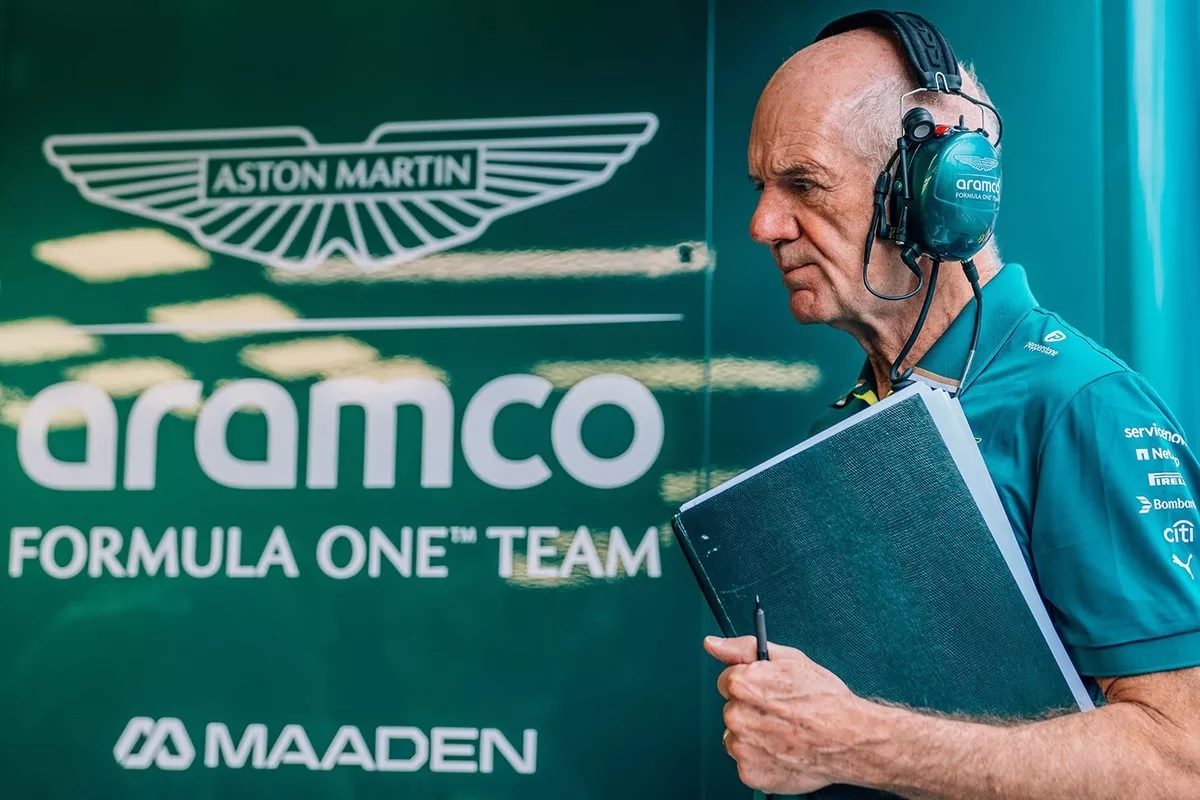
Adrian Newey Reveals AI's Long History in Formula 1
Adrian Newey explains that AI and machine learning are not new to F1, but have long been essential, specialized tools for data analysis and simulation. As the 2026 regulations approach, this computational arms race is becoming a critical, and rapidly evolving, frontier for competitive advantage.
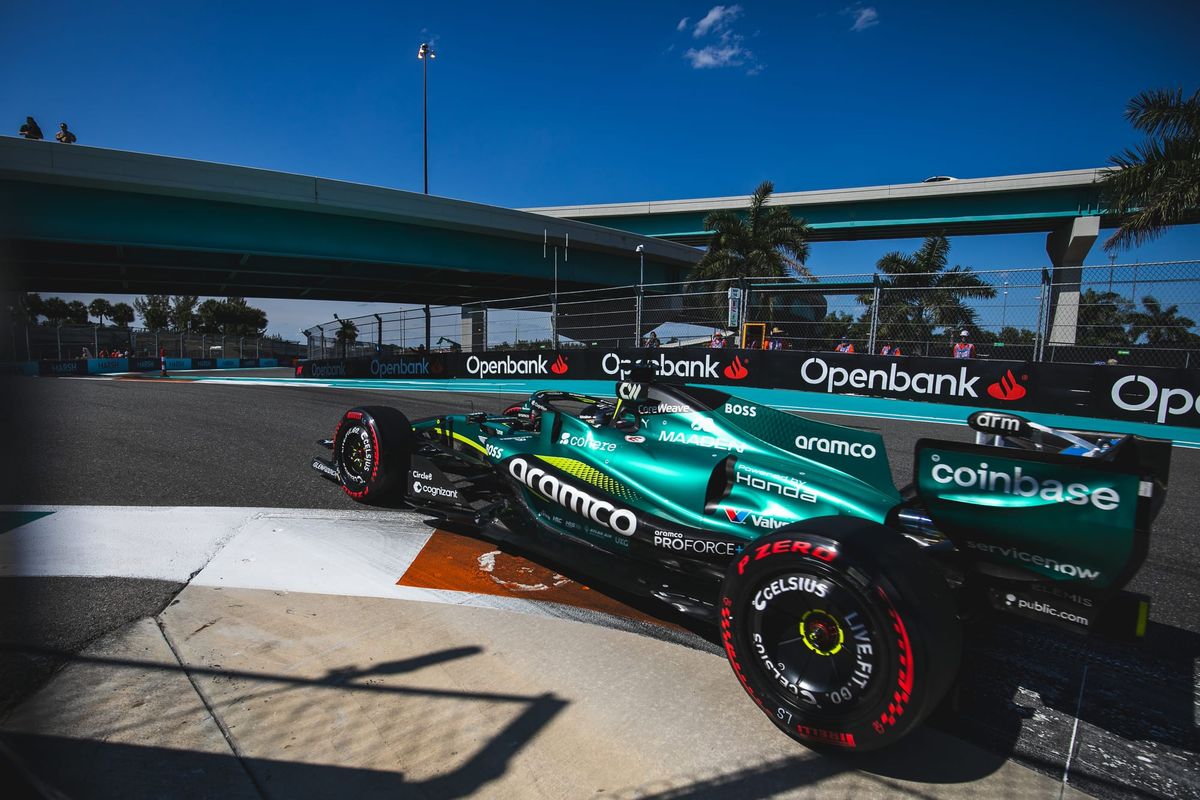
Aston Martin's Adrian Newey clarifies that artificial intelligence and machine learning are not new phenomena in Formula 1, but have been fundamental, specialized tools for performance gains long before becoming a mainstream buzzword. As the sport heads into the 2026 regulation changes, this tailored, data-driven intelligence is becoming more critical than ever in the unseen development race.
Why it matters:
In a sport where gains are measured in thousandths of a second, the competitive battlefield has expanded far beyond the track. Newey's perspective underscores that a team's ability to harness and rapidly evolve its computational analysis and simulation capabilities is now a primary determinant of success, especially with limited on-track testing.
The details:
- Not a Novelty: Newey stresses that machine learning has been used in F1 for decades, primarily for predictive modeling and advanced analytics to find microscopic performance advantages.
- Specialized Application: Unlike consumer AI, F1's use is highly tailored for specific engineering tasks. Teams typically do not use off-the-shelf internet-based AI, but build bespoke systems for pattern recognition in data, simulation, and even race strategy game theory.
- The 2026 Catalyst: The new regulatory era intensifies this digital dependence. With cars evolving rapidly and track time limited, virtual development through sophisticated simulation—testing thousands of race and setup scenarios—is indispensable.
- A Rapid Evolution: Newey notes that the technology is a "moving target," with compute power and tools advancing so quickly that what is cutting-edge today may be obsolete in 12 months, requiring constant mental and technical recalibration.
What's next:
The race for computational supremacy will run parallel to the on-track championship. Teams must continuously "reopen their minds" every six months to leverage new AI and data processing opportunities. For Aston Martin under Newey, success will hinge on mastering this invisible, code-based championship as much as the aerodynamic one.
Don't miss the next lap
Get the deep dives and technical analysis from the world of F1 delivered to your inbox twice a week.
Zero spam. Only high-octane analysis. Unsubscribe anytime.
Join the inner circle
Get the deep dives and technical analysis from the world of F1 delivered to your inbox twice a week.
Zero spam. Only high-octane analysis. Unsubscribe anytime.
Continue Reading
View More News