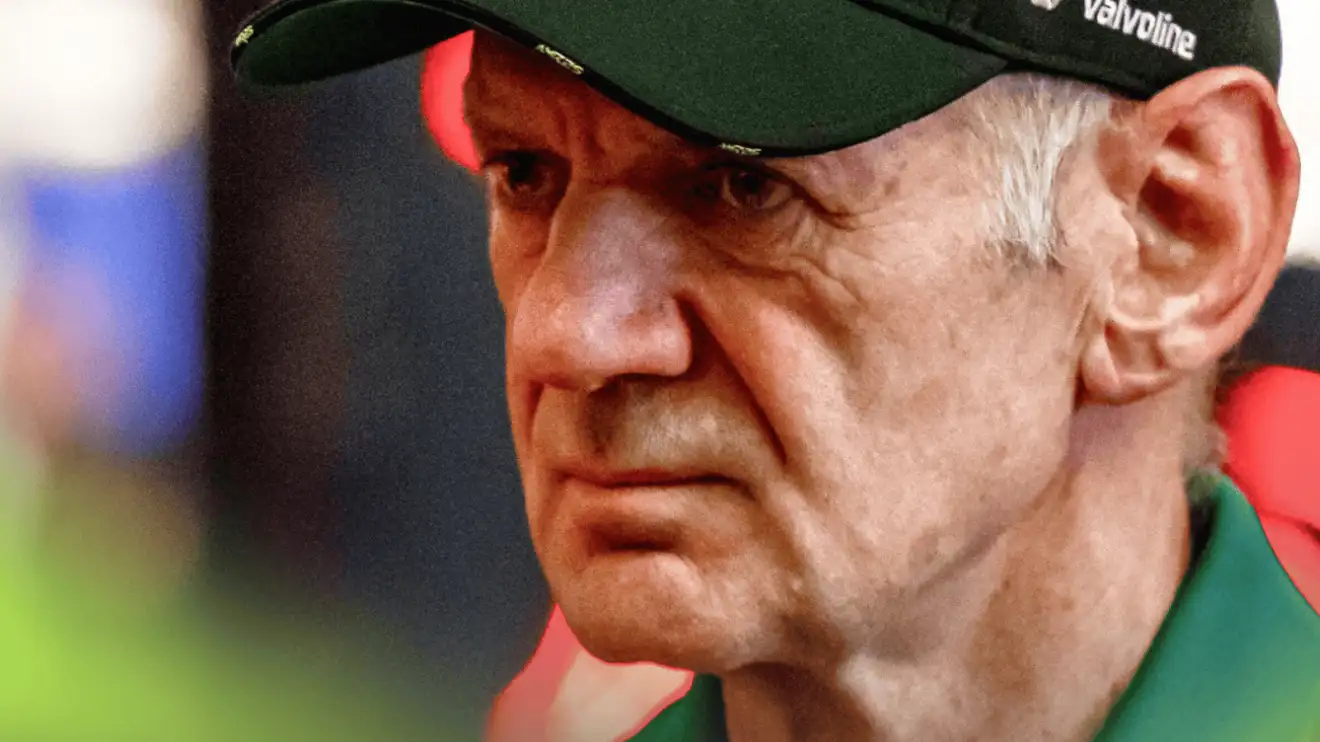
Adrian Newey Reveals Aston Martin's Four-Month Delay on 2026 F1 Car
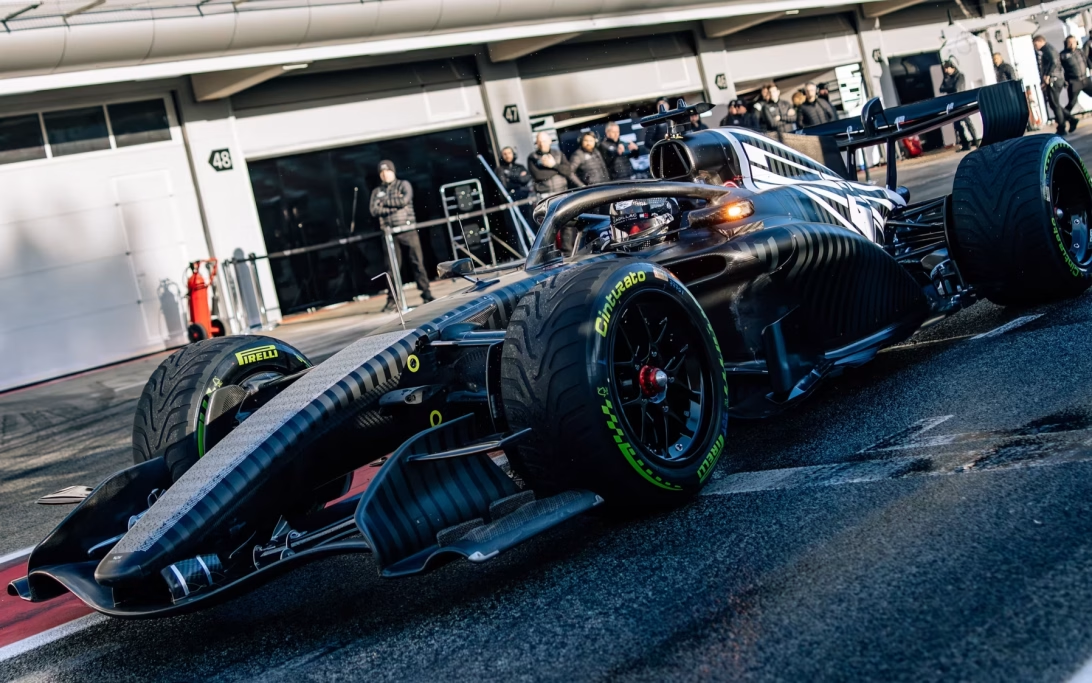
Adrian Newey admits Aston Martin began work on its 2026 F1 car four months later than rivals due to new regulations, delayed facilities, and his own late arrival. This compressed timeline forced a frantic build to make the Barcelona shakedown, leaving the team with minimal initial track time.
Adrian Newey has confirmed that the Aston Martin F1 team began development of its 2026 car approximately four months behind its rivals, leading to a frantic race to complete the AMR26 in time for its shakedown run. The legendary designer cited a perfect storm of simultaneous chassis and engine rule changes, late completion of new facilities, and his own delayed start at the team as key factors behind the compressed timeline.
Why it matters:
The 2026 season represents a monumental reset for Formula 1 with entirely new chassis and power unit regulations. Starting development significantly late puts Aston Martin at a potential disadvantage in a crucial competitive arms race. For a team with championship ambitions, backed by Newey's genius and a new Honda power unit partnership, overcoming this initial deficit is critical to establishing themselves as front-runners from the outset of the new era.
The details:
- Newey stated the team did not get a model of the 2026 car into its new CoreWeave Wind Tunnel until mid-April 2025. Most rivals began their aerodynamic testing immediately after the ban lifted in January 2025, creating the four-month gap.
- This delay resulted in an "extremely busy" and "very compressed" 10-month research and design cycle to get the car ready.
- The late completion of the AMR Technology Campus and wind tunnel, combined with Newey only joining the team in March 2024, meant Aston Martin was playing catch-up from the start.
- The consequence was a delayed debut at the Barcelona pre-season shakedown, where the team completed only two of its permitted three days of running, accumulating the lowest lap count of any team present.
What's next:
The immediate focus is on recovering the lost track time and accelerating the learning curve with the AMR26. The data gathered from the limited Barcelona running will be vital for preparing for the official pre-season test in Bahrain. While starting behind is far from ideal, the team has now cleared the first major hurdle by getting the car on track. The coming weeks will be a relentless effort to understand the car's behavior, optimize its systems, and bridge the development gap before the 2026 season begins in earnest.
Don't miss the next lap
Get the deep dives and technical analysis from the world of F1 delivered to your inbox twice a week.
Zero spam. Only high-octane analysis. Unsubscribe anytime.
Join the inner circle
Get the deep dives and technical analysis from the world of F1 delivered to your inbox twice a week.
Zero spam. Only high-octane analysis. Unsubscribe anytime.
Continue Reading
View More News