Alonso: 2026 F1 risks becoming 'management race', not pure driving
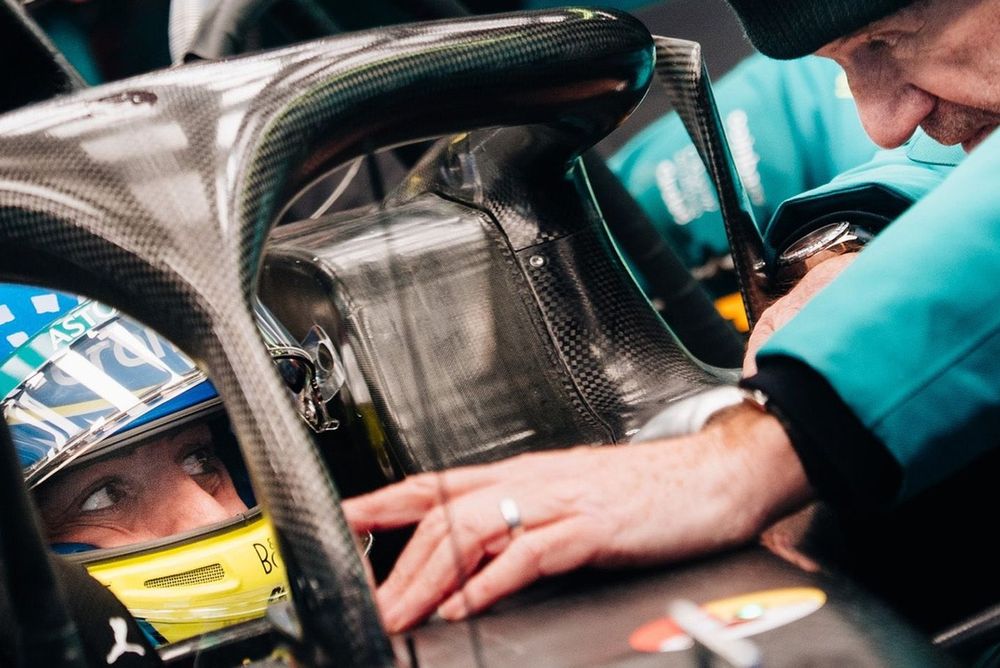
Fernando Alonso warns that F1's 2026 regulations emphasize energy management so much that it could become a "management race," reducing the pure driving thrill he associates with earlier eras like the V10s. While he acknowledges the need to adapt, he fears overthinking efficiency compromises the instinctive joy of racing at the limit.
Fernando Alonso believes the 2026 Formula 1 technical regulations risk turning the sport into an energy management contest, moving further away from the raw, driver-centric racing of the past. The two-time champion, drawing from his experience in IndyCar and WEC, acknowledges the necessity of adapting but expresses concern that overthinking efficiency diminishes the fundamental joy of driving at the limit.
Why it matters:
Alonso's perspective highlights a pivotal tension in F1's evolution: balancing technological sophistication with the core sporting spectacle. As the sport leans harder into hybrid efficiency, his comments voice a driver's concern that the essence of racing—instinct, aggression, and pure speed—could be diluted by excessive strategic management, potentially altering what defines a top driver in the modern era.
The details:
- Alonso describes the required energy management for 2026 as "a little bit annoying from a driver point of view," stating drivers now "need to think a little bit more" than simply driving at 100%.
- He leverages his diverse racing experience, noting IndyCar's focus on fuel saving and WEC's hybrid energy control, to contextualize the shift, concluding "it's just racing" but a different form of it.
- The Spaniard nostalgically references the V10 era of the late 90s and early 2000s as "the peak of the Formula 1 DNA," citing lighter cars, engine noise, and a greater sense of adrenaline and driving at the limit.
- He draws a stark contrast between that era and the impending direction, favoring cars driven "at the limit of the physics" over a "robot style of driving" focused on maximizing efficiency.
- Alonso extends his critique beyond motorsport, observing a similar trend in sports like football and basketball, where structured systems and mechanisms are increasingly valued over individual moments of inspiration or "a magic night."
What's next:
Alonso's comments underscore a broader philosophical debate as F1 prepares for its 2026 reset. While manufacturers and the governing body prioritize sustainable technology and road-relevance, drivers like Alonso serve as a reminder of the sport's traditional appeal. The success of the new era will likely hinge on finding a compromise that delivers cutting-edge innovation without completely sacrificing the visceral, driver-first experience that long-time fans and competitors cherish.
Don't miss the next lap
Get the deep dives and technical analysis from the world of F1 delivered to your inbox twice a week.
Zero spam. Only high-octane analysis. Unsubscribe anytime.
Join the inner circle
Get the deep dives and technical analysis from the world of F1 delivered to your inbox twice a week.
Zero spam. Only high-octane analysis. Unsubscribe anytime.
Continue Reading
View More News