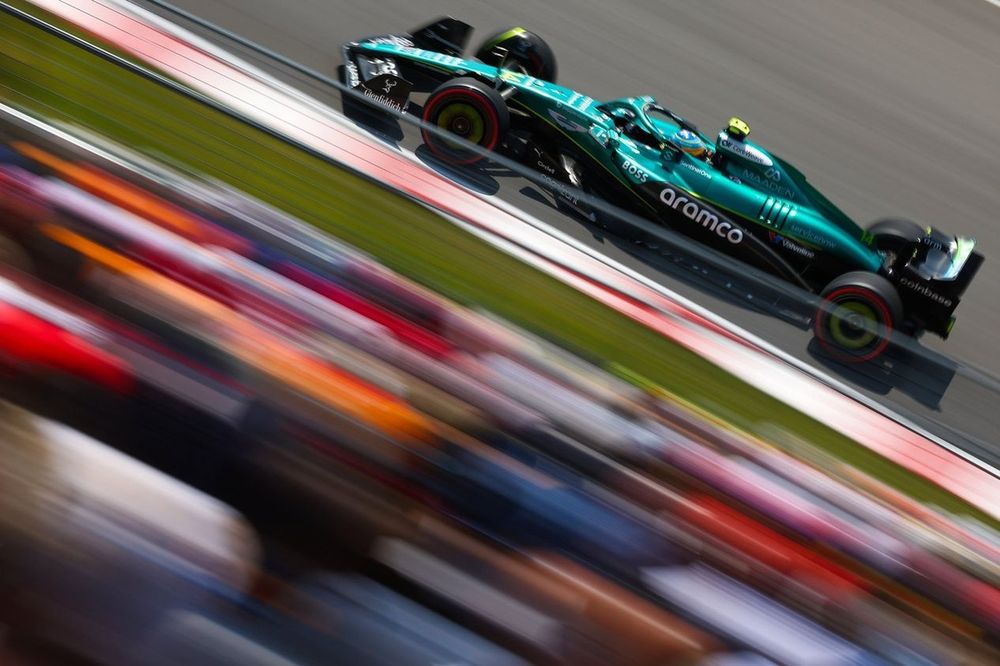
Alonso and Verstappen Won't Miss F1's Ground-Effect Era
F1 stars Fernando Alonso and Max Verstappen are vocal about their readiness to move on from the current ground-effect era, citing cars that are too heavy, too large, and which haven't delivered on the promise of improved racing. With new, lighter, and smaller cars set for 2026, both drivers express anticipation for a change despite some initial simulator concerns, hoping to address issues like difficult overtaking and physical strain caused by the current generation.
Double Formula 1 world champion Fernando Alonso and current dominator Max Verstappen are openly expressing their relief and anticipation for the end of F1's ground-effect era, set to conclude with the introduction of new regulations in 2026. Both drivers cite issues with car weight, size, and the failure of ground effects to consistently improve racing as reasons for their readiness to move on, despite acknowledging the current cars are among the fastest in history.
Why it matters:
- F1's ground-effect regulations, introduced in 2022, aimed to enhance racing by enabling closer following and more overtaking. However, key drivers' critiques suggest these objectives haven't been fully met.
- The upcoming 2026 regulations will bring lighter, smaller cars with a significant shift towards electrical power in the power unit, potentially reshaping the sport's driving dynamics and competitive landscape.
The Details:
- Driver Discontent: Fernando Alonso states he "will not miss this generation of cars," citing their excessive weight, size, and the lack of enjoyment from driving with current ride heights. He also believes the regulations failed to improve close racing and overtaking.
- Verstappen's Echo: Max Verstappen largely agrees, noting that while following improved initially, it's no longer the case. He highlights the reduced downforce and less effective slipstream, making overtaking difficult on many tracks.
- Physical Strain: Verstappen revealed the physical toll of these heavier ground-effect cars, which are approximately 50kg heavier than their 2021 predecessors, causing back and foot pain. He prefers the driving experience of cars from 2015-2016.
- Overtaking Challenges: The increasingly compact grid, exemplified by less than a second separating the top 15 in Brazil qualifying, combined with increased 'dirty air' effect since 2022, has made overtaking tougher. This is evident in 15 of 21 Grands Prix this year being won from pole.
What's next:
While the 2026 cars have faced their own criticisms, with drivers like Charles Leclerc reporting them as 'not fun' in simulators, there's cautious optimism from others like George Russell. Russell welcomes the move towards smaller, lighter cars, believing it's the right direction for the sport.
- The transition to new power units and chassis designs aims to address the shortcomings of the current era, though the exact impact on racing quality and driver experience remains to be seen.
- The F1 community will be closely watching as development progresses, hoping the new regulations deliver on the promise of better, more competitive, and more enjoyable racing for both drivers and fans.