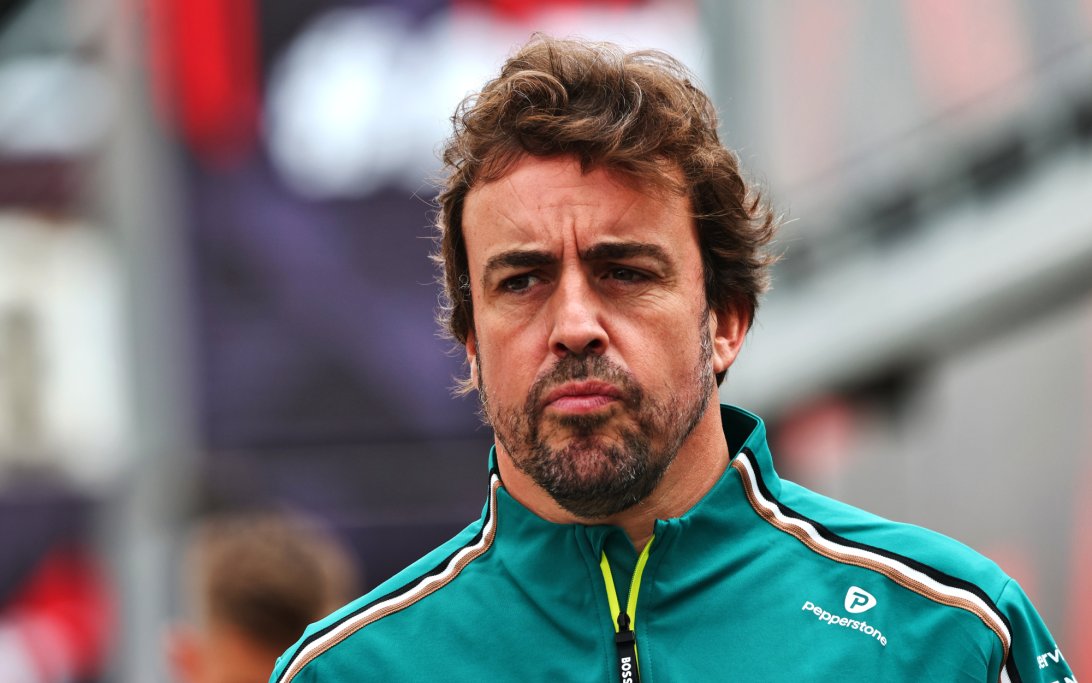
Alonso Raises Overtaking Concerns with F1's 2026 Rules Overhaul
Fernando Alonso, a seasoned Formula 1 driver, has expressed significant reservations about the 2026 regulations, specifically concerning how the radical changes, including active aerodynamics and increased battery power, will affect overtaking. He fears that the new rules might inadvertently discourage drivers from attempting passes due to complex energy management and the ability for both leading and following cars to use similar aerodynamic aids, potentially diminishing the on-track spectacle.
Fernando Alonso has voiced his primary concern regarding Formula 1's radical 2026 regulations: the potential impact on overtaking. As the sport prepares for a significant overhaul of both chassis and power unit rules, Alonso, who will drive his seventh different generation of F1 car, fears the new active aerodynamics and beefed-up battery systems could complicate on-track battles.
Why it matters:
F1's 2026 regulations aim to make cars lighter, more agile, and more sustainable, with a significant increase in battery power. However, effective overtaking is crucial for exciting racing, and if the new rules inadvertently hinder it, the competitive spectacle could suffer. Alonso's insights, stemming from his vast experience and simulator work, highlight a critical area that needs careful monitoring as the regulations develop.
The details:
- Active Aerodynamics: The current DRS system will be abolished, replaced by active aerodynamics where both front and rear wings will move to optimize performance. This means the leading car will also be able to adjust its aero.
- Power Unit Changes: The new power units will feature nearly three times the battery power of 2025, generating 350kW from the hybrid systems, alongside a simplified internal combustion engine.
- Alonso's Simulation Insights: Based on simulator testing and reading the regulations, Alonso notes that with both cars allowed to open their 'DRS' on straights, genuine overtaking opportunities might be limited.
- Energy Management Dilemma: He fears drivers might have to expend significant energy to complete an overtake, only to "pay the price" on subsequent straights by being vulnerable to immediate re-overtakes. This could disincentivize drivers from attempting passes.
- Tire Factor: Alonso emphasizes that tire degradation and multi-stop races could become a more significant factor in enabling overtakes than energy management or active aero.
What's next:
While the 2026 regulations are still some time away, Alonso believes that the true impact on overtaking will only become clear once the cars are on track. The interaction between the new aero concepts, increased electrical power, and tire characteristics will define the racing spectacle. The FIA and teams will undoubtedly be monitoring this closely, with potential for adjustments if initial fears about limited overtaking prove true.