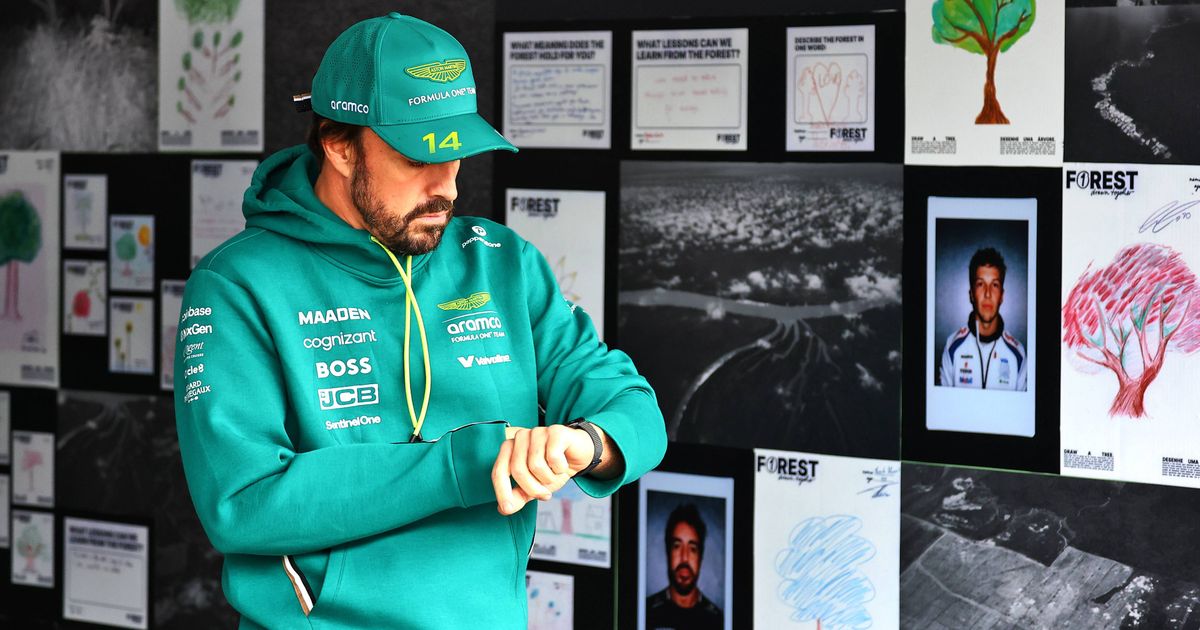
Alonso Skeptical About Overtaking Under F1's 2026 Regulations
Fernando Alonso expresses strong doubts about the effectiveness of Formula 1's 2026 regulations in facilitating overtaking. He believes the new 'power-boost' modes replacing DRS might require excessive 'energy' expenditure, potentially hindering rather than helping passes. Alonso also highlights that tyre degradation and multi-stop races could be more impactful for improving on-track action than the aerodynamic changes.
Fernando Alonso has voiced significant skepticism regarding the effectiveness of the 2026 Formula 1 regulations in promoting overtaking, suggesting that drivers may need to expend more 'energy' to complete passes. The two-time world champion emphasized that the true impact will only be known once the new cars hit the track, allowing teams to fully understand the dynamics of the new rules.
Why it matters:
Alonso's concerns highlight a critical potential issue with the upcoming F1 regulations, which aim to make cars lighter and more agile to improve racing. If overtaking becomes more challenging, it could detract from the spectacle of the sport, undermining one of the key goals of the rule changes. With Aston Martin gearing up for 2026, understanding these dynamics is crucial for their competitive strategy.
The details:
- Alonso doesn't anticipate drastically different cars, noting that the core of the sport—a race against time and competitors—will remain the same, though with potentially less grip due to lower downforce.
- He specifically questioned the efficacy of the new 'Z' and 'X' overtake modes, which replace DRS, allowing both the attacking and defending cars to use 'power-boost' modes on straights.
- Overtaking Energy Trade-off: Alonso believes that using a lot of energy to overtake on one straight might result in being re-overtaken on the subsequent straight, as the energy expenditure would be penalized.
- Tyres as Key: The Aston Martin driver suggests that tyre degradation and the potential for multiple pit stops will be more crucial for improving overtaking than the new aerodynamic regulations.
- Newey's Influence: Aston Martin, having recruited Adrian Newey, hopes to leverage his expertise to gain a competitive advantage under the new regulations, especially in navigating these complex aerodynamic challenges.
- DRS Replacement: The drag reduction system (DRS) will be scrapped, replaced by 'Z-mode' (increasing downforce through corners by opening wing elements) and 'X-mode' (reducing drag on straights for overtaking).
What's next:
The true test of the 2026 regulations and Alonso's concerns will come when the new cars are on track. Teams, including Aston Martin, will be diligently testing and analyzing the performance of their machines in simulators and eventually on the circuit. If Alonso's predictions hold true, the FIA and F1 might need to re-evaluate aspects of the regulations to ensure the desired level of on-track action and competitive racing.