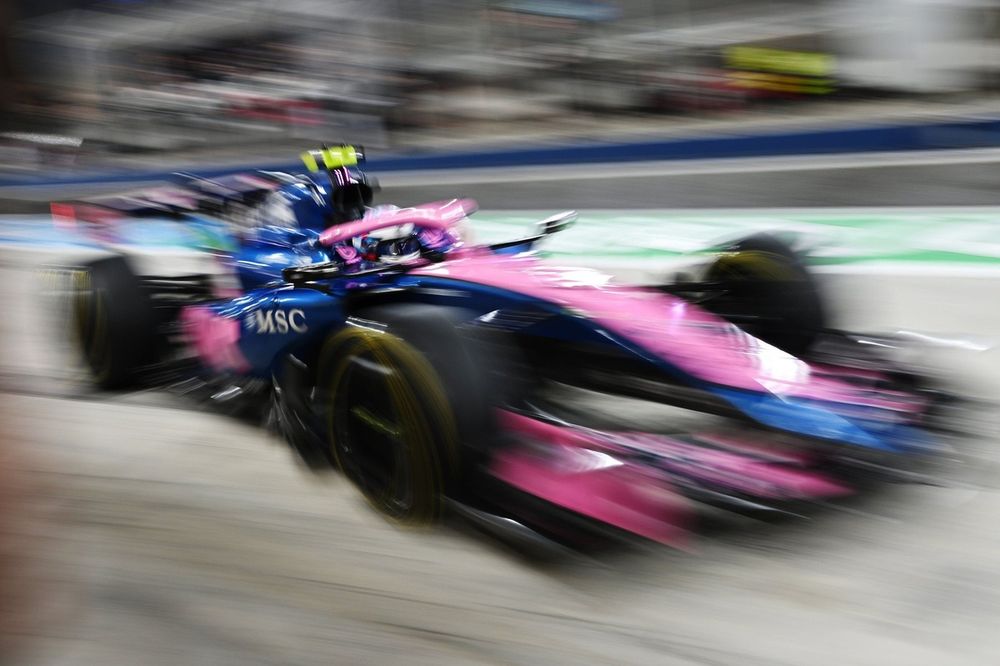
Alpine backs Mercedes engine amid F1 compression ratio controversy
Alpine has voiced strong support for the Mercedes Formula 1 power unit, which is under scrutiny for allegedly exploiting a loophole in the new engine compression ratio rules. Alpine's managing director argues the regulations are clear and warns that allowing post-investment challenges to written rules sets a dangerous precedent for the sport. The controversy threatens to spill over into protests at the opening race.
Alpine has publicly defended the legality of the Mercedes power unit at the center of a technical controversy over engine compression ratios, arguing that the FIA intervening would set a dangerous precedent. The team's stance puts it at odds with rivals who claim Mercedes has found a loophole to gain an unfair performance advantage.
Why it matters:
This dispute goes beyond a single technical specification and touches on the fundamental integrity of F1's regulatory process. If a clearly written rule can be challenged and reinterpreted after teams have invested heavily based on it, it could open the door to constant political battles over every technical nuance, undermining the sport's stability and the principle of engineering innovation within set boundaries.
The details:
- The 2026 regulations lowered the maximum engine compression ratio from 18:1 to 16:1 to control performance and improve sustainability.
- Mercedes is understood to have designed its power unit to meet the 16:1 limit during the mandatory FIA static test at ambient temperature, as explicitly required by the rules.
- Rivals allege Mercedes can then increase the compression ratio while the engine is running at operating temperature, which they argue violates the spirit of the regulation, even if it passes the literal test.
- Alpine Managing Director Steve Nielsen strongly backed Mercedes, stating the regulations are "crystal clear" and that the team built its engine "in good faith."
- Nielsen warned against allowing "lobby groups" to change clearly written rules after the fact, framing it as a threat to the sport's foundational trust in the rulebook.
What's next:
The situation creates a tense backdrop for the start of the season.
- With engine homologation fixed for March 1st, there is minimal time for any forced redesign, making a pre-season resolution unlikely.
- The controversy increases the probability of formal protests at the season-opening Australian Grand Prix, potentially overshadowing the on-track competition.
- The FIA now faces a delicate decision: uphold the letter of the law as written, which benefits Mercedes and its customers, or issue a clarification or rule change that could be seen as bowing to competitor pressure and altering the goalposts after significant investment.
Ultimately, the FIA's handling of this case will send a powerful signal about how future technical regulations will be interpreted and enforced.