Alpine chief defends Mercedes engine, warns against rule-change lobbying
Alpine's Steve Nielsen defends Mercedes' engine design, calling F1's compression ratio rules 'crystal clear' and warning that allowing rival teams to lobby for changes mid-cycle threatens the sport's regulatory integrity and the principle of good-faith investment.
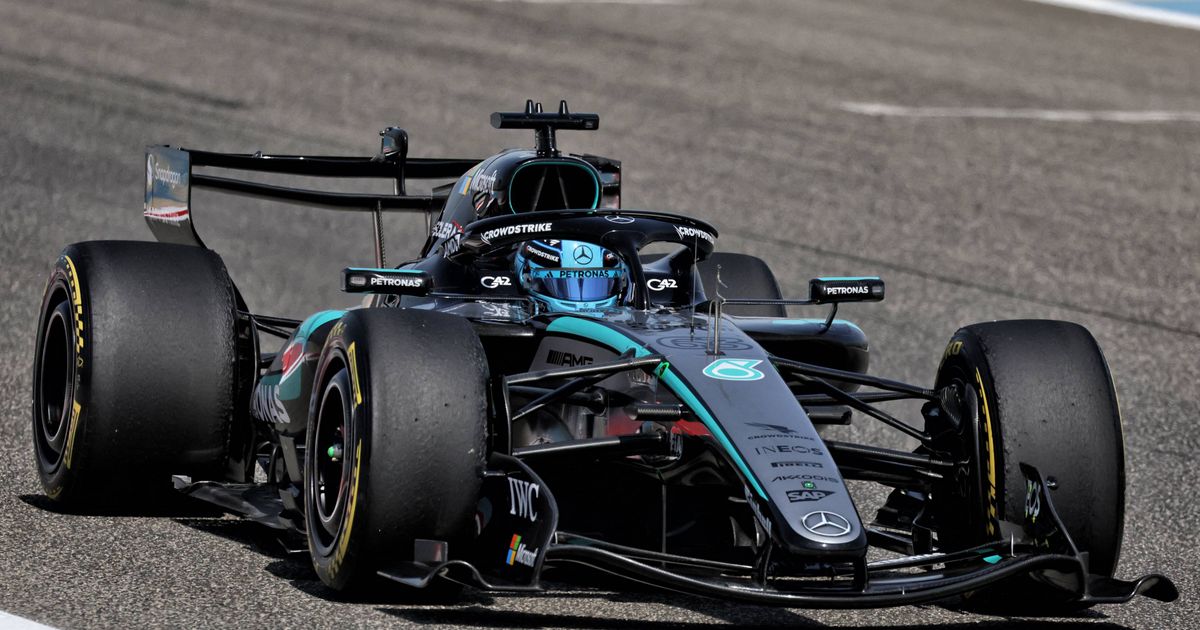
Alpine's Managing Director Steve Nielsen has publicly backed Mercedes' power unit design and criticized rival teams for lobbying to change "crystal clear" technical regulations regarding engine compression ratios. His comments add a significant team perspective to a pre-season controversy that questions the stability of F1's rulemaking process.
Why it matters:
The debate touches on the core integrity of Formula 1's regulatory framework. If clearly written rules can be challenged and altered mid-cycle due to political pressure from competitors, it undermines the principle of good-faith engineering investment and could set a precedent for constant technical disputes. Teams spend hundreds of millions developing cars based on a fixed set of regulations, and perceived instability threatens the sport's competitive fairness.
The details:
- Nielsen stated the regulations are "crystal clear on when compression ratio is measured," dismissing concerns about a Mercedes engine 'trick' as an attempt by rivals to "introduce different parameters" after the fact.
- He expressed full confidence in Mercedes, stating they built their 2026 power unit "in good faith" based on the existing rules.
- The Alpine chief framed the issue as a fundamental challenge to the sport's governance, asking, "do we really want a sport where clearly written stuff can just be challenged because people fancy doing it?"
- He warned that allowing such challenges could make "everything's up for discussion," creating an unpredictable environment where any technical solution could be later contested.
What's next:
The ball is now in the FIA's court to either reaffirm the current regulations or consider amendments. Their decision will set a crucial precedent for how technical controversies are handled under the 2026 rules. A failure to firmly uphold the written rules could lead to increased political gamesmanship and legal challenges throughout the season, overshadowing the on-track competition.
Don't miss the next lap
Get the deep dives and technical analysis from the world of F1 delivered to your inbox twice a week.
Zero spam. Only high-octane analysis. Unsubscribe anytime.
Join the inner circle
Get the deep dives and technical analysis from the world of F1 delivered to your inbox twice a week.
Zero spam. Only high-octane analysis. Unsubscribe anytime.