Alpine on 2026 Engine: Mercedes Success 'Isn't Guaranteed'
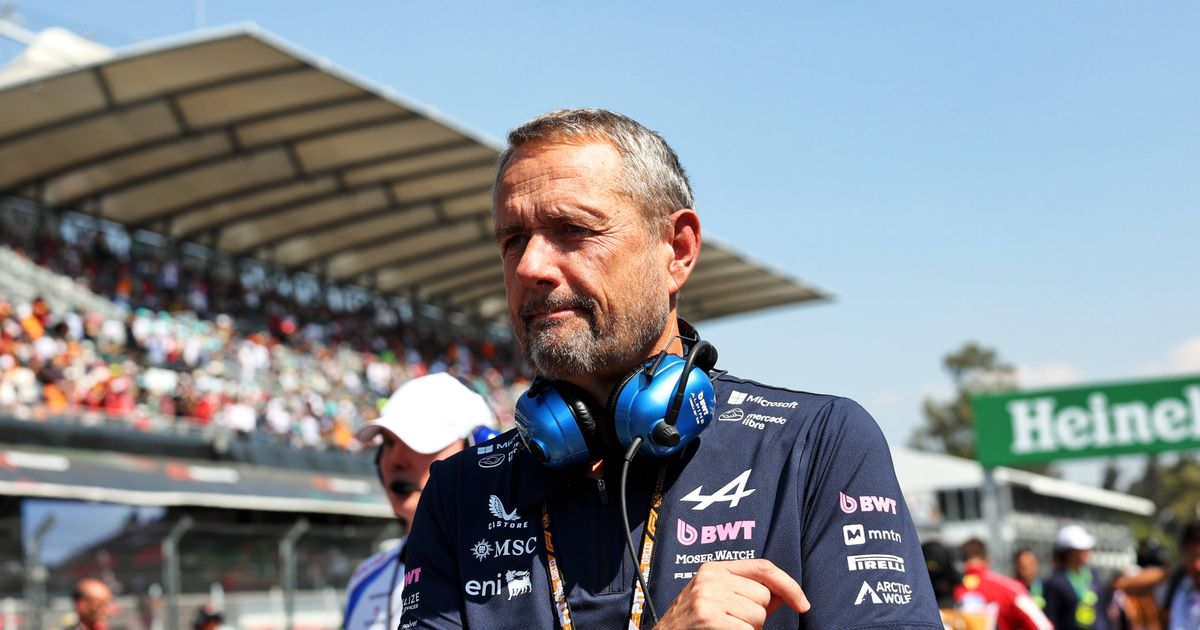
Alpine is downplaying expectations for its 2026 season despite partnering with Mercedes for power units. Managing Director Steve Nielsen noted Mercedes' past success with new regulations doesn't guarantee future dominance, emphasizing that the team is not assuming a performance advantage and will only know the true pecking order once cars are on track.
Alpine is tempering expectations for its 2026 season, despite switching to Mercedes power units. Managing Director Steve Nielsen acknowledges Mercedes' historical success with new regulations but emphasizes that a repeat performance is not guaranteed, stressing the differences between the 2014 and 2026 rule changes.
Why it matters:
Alpine's decision to drop its long-standing Renault engines and adopt Mercedes power units marks a significant strategic shift for the team. While Mercedes is rumored to be an early frontrunner in 2026 power unit development, Nielsen's cautious remarks highlight the inherent uncertainty in Formula 1's regulatory cycles and the team's pragmatic approach to future performance.
The Details:
- Alpine announced last year that it would become a Mercedes customer team from the 2026 season, ending decades of engine development by Renault at Viry-Châtillon.
- Steve Nielsen, Alpine's Sporting Director, stated that the move was made because "nothing is forever in Formula 1," expressing excitement for the new partnership.
- Market Perception vs. Reality: There is widespread belief in the paddock that Mercedes holds an early advantage in the 2026 power unit cycle, largely due to their dominant performance following the 2014 regulation changes.
- Differences in Regulation Changes: Nielsen distinguished the 2026 rule overhaul from 2014, noting that 2014's shift from naturally aspirated engines to hybrid turbos was "a huge change." In contrast, the 2026 update is "not such a big one, because we already have hybrid turbos," even though it includes an enlarged battery.
- He added that the true hierarchy of power units will only become clear once cars are on track and lap times are compared.
- No Assumptions: Alpine is not making assumptions about Mercedes' potential advantage. Nielsen reiterated, "If they have done a better job than the others, I don’t know," emphasizing that the team's focus remains on producing the best possible car with maximum power, downforce, and reliability.
What's Next:
Alpine's cautious optimism reflects the complexities of F1 development. The team will be working diligently to integrate the Mercedes power unit effectively, aiming for a competitive package despite the unknown performance hierarchy. The true test will come in 2026 when all teams unveil their new machinery, and the stopwatch will reveal the pecking order.