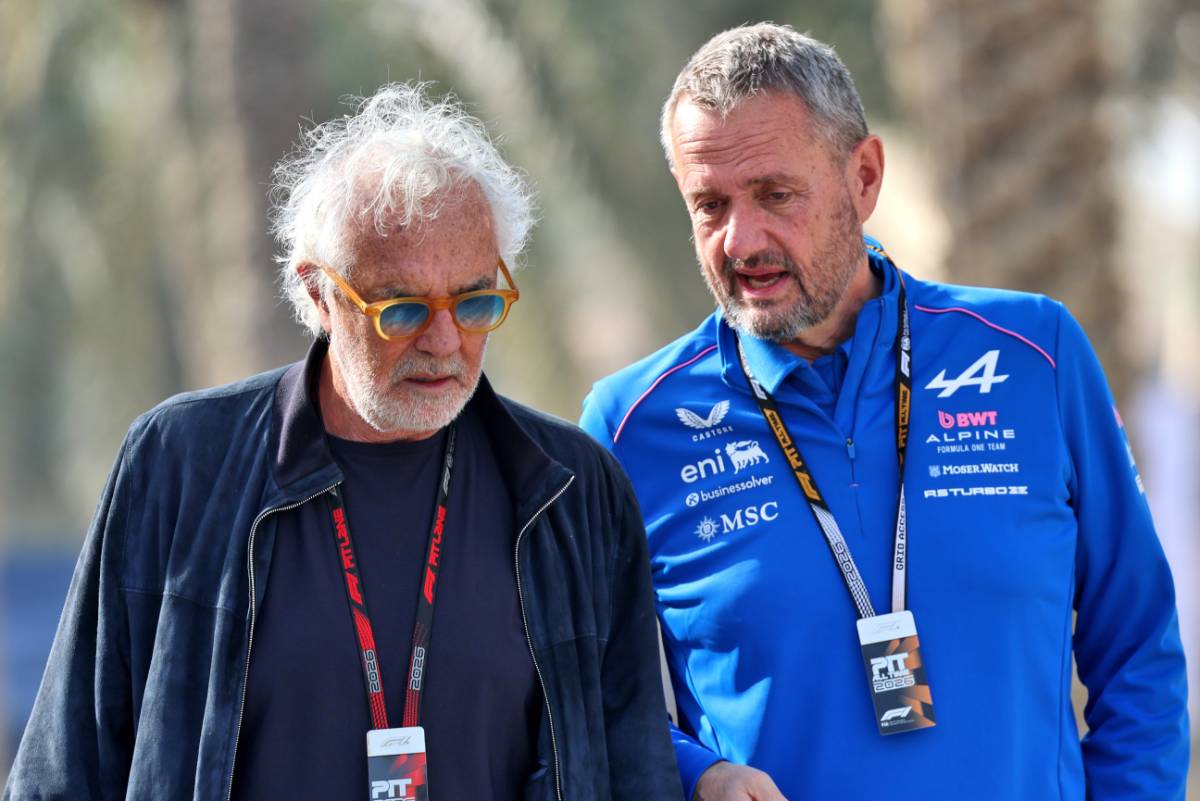
Alpine's Nielsen Challenges Mercedes Critics to 'Put Skin in the Game'
Alpine's Steve Nielsen has told rival teams to stop complaining and file a formal protest if they believe Mercedes' power unit is illegal. He defended the engine as compliant with 'crystal clear' rules and warned that challenging them sets a dangerous precedent for F1's regulatory stability.
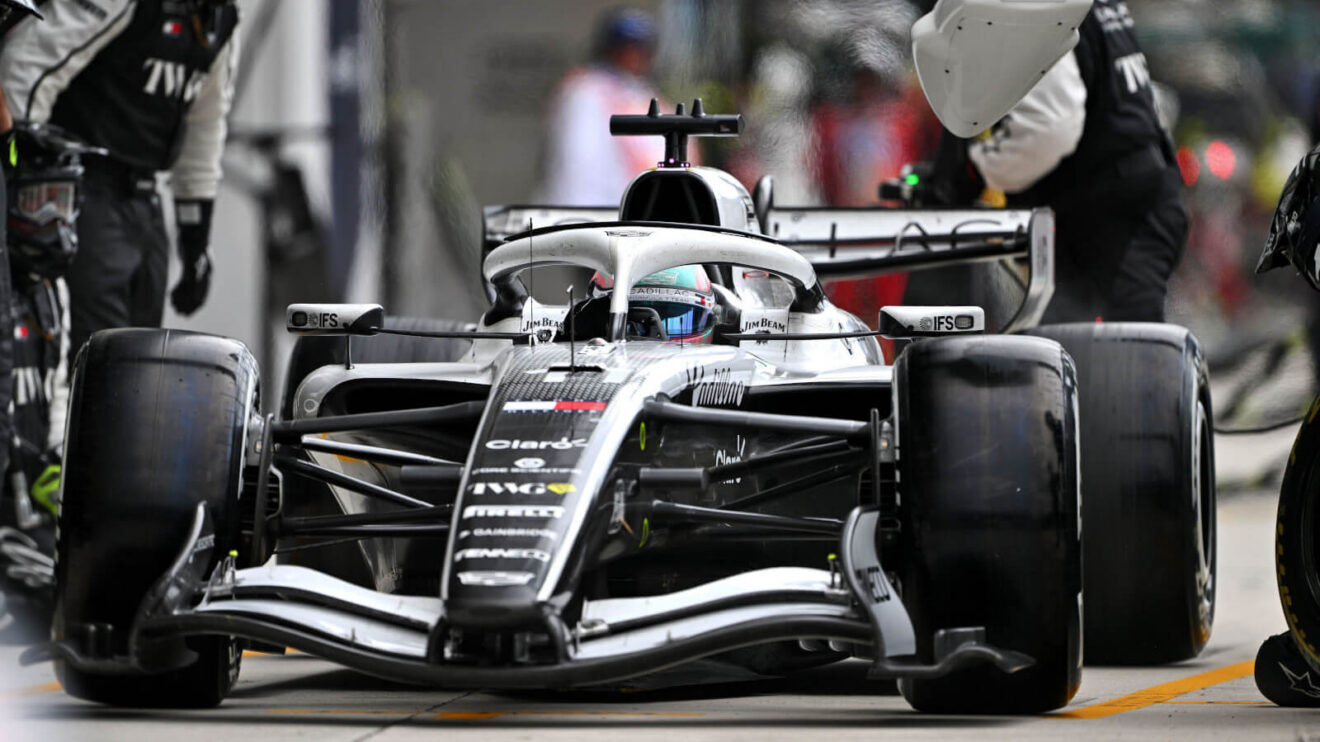
Alpine Managing Director Steve Nielsen has fired back at rival teams criticizing Mercedes' power unit, urging them to file a formal protest if they genuinely believe it breaches regulations rather than just complaining in the media. Nielsen defended the Mercedes engine—now powering Alpine's cars—as fully legal and warned that challenging crystal-clear written rules sets a dangerous precedent for the sport.
Why it matters:
This public challenge cuts to the core of how Formula 1 governs its technical regulations. If teams can publicly dispute clearly written rules based on interpretation or alleged "loopholes," it threatens the stability and massive financial investments all teams make in good faith. Nielsen's stance highlights a growing tension between competitive innovation and the perceived spirit versus the letter of the law.
The details:
- The controversy centers on the compression ratio of the Mercedes power unit, which rivals suggest provides an unfair performance advantage through a regulatory loophole.
- Nielsen insists the regulations are "crystal clear" and that Mercedes operates within them, accusing critics of introducing "different parameters" for their own reasons.
- He emphasized the broader principle: if a clearly written regulation can be challenged this way, it potentially puts every technical aspect of the car up for debate, creating uncertainty.
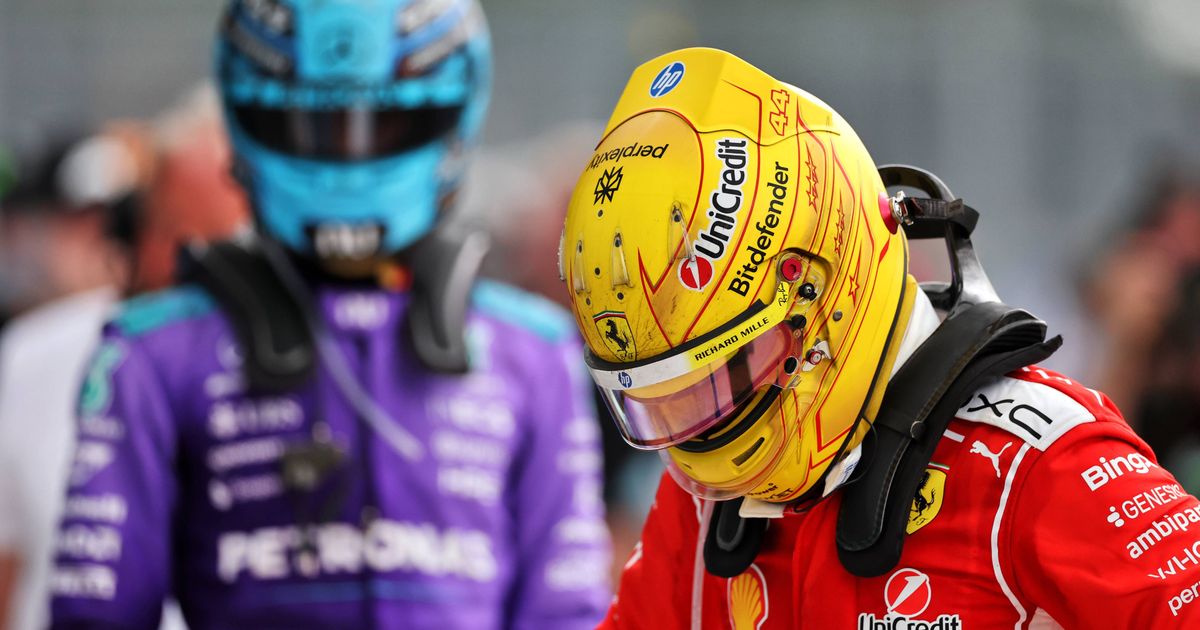
- Nielsen directly challenged Ferrari, Red Bull, and Audi to act, stating, "If they really feel that strongly, then put some skin in the game and do something about it," implying a formal protest before the FIA.
What's next:
The ball is now in the court of the complaining teams. They must decide whether to escalate their concerns with a formal protest, likely at the upcoming Australian Grand Prix, or let the matter drop. The FIA may choose to issue a clarification before Melbourne to prevent the event from being overshadowed by technical disputes. Nielsen's blunt remarks have raised the stakes, framing the issue as a test of the sport's regulatory integrity versus competitive gamesmanship.
Don't miss the next lap
Get the deep dives and technical analysis from the world of F1 delivered to your inbox twice a week.
Zero spam. Only high-octane analysis. Unsubscribe anytime.
Join the inner circle
Get the deep dives and technical analysis from the world of F1 delivered to your inbox twice a week.
Zero spam. Only high-octane analysis. Unsubscribe anytime.
Continue Reading
View More News