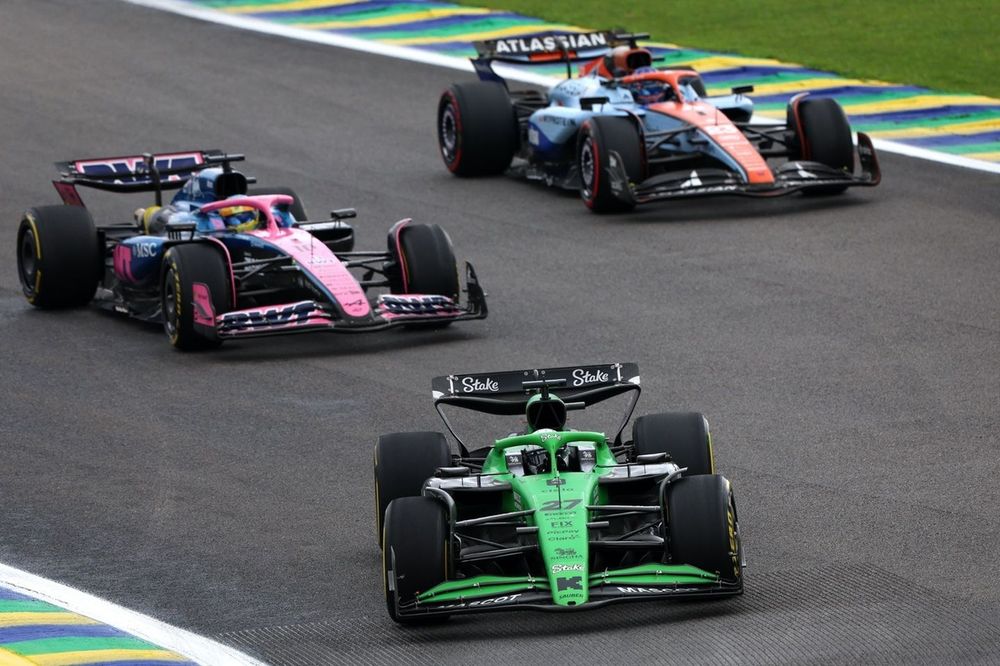
Alpine Surprised by Rivals' Continued 2025 F1 Car Development
Alpine's managing director Steve Nielsen expressed surprise at how aggressively F1 midfield rivals continued developing their 2025 cars, despite Alpine's early pivot to focus on 2026 regulations. This strategic choice has left the team struggling at the back of the grid, banking entirely on a strong performance in the upcoming regulation change.
Alpine managing director Steve Nielsen revealed the team was caught off guard by the aggressive pace of car development from midfield rivals throughout the 2025 Formula 1 season. While Alpine shifted focus to 2026 regulations early, competitors continued to push upgrades, leaving the French squad struggling at the back of the grid.
Why it matters:
Alpine's early pivot to the 2026 regulations was a strategic gamble, aiming for a strong start in the new era. However, the unexpected persistence of rival teams in developing their 2025 cars highlights the risks of such a strategy. If Alpine's 2026 challenger doesn't deliver, their current struggles could intensify the pressure and raise questions about their long-term competitiveness in F1.
The Details:
- Early Season Performance: Alpine started the 2025 season with decent momentum, building on a strong finish to 2024. Pierre Gasly reached Q3 three times in the first six Grands Prix, including a seventh-place finish in Bahrain.
- Development Halt: Around the Spanish Grand Prix in early June, Alpine ceased development on their A525 car to fully concentrate on the significant regulation changes for 2026.
- Rivals' Persistence: This decision contrasted sharply with other midfield teams, most notably Haas, which introduced major floor and bodywork upgrades as late as the United States Grand Prix.
- On-Track Struggles: The latter part of the season saw both Gasly and Franco Colapinto frequently fighting only each other at the back, underscoring the performance gap.
- Strategic Justification: Nielsen defended the early switch, stating, "The earlier you start that, the more developed your car will be when you start racing." He believes this is the "right thing to do" for their long-term goals.
- Development Challenges: Nielsen explained the difficulties of parallel development, citing limitations such as having only one wind tunnel and regulatory constraints, which make simultaneously developing two cars highly inefficient due to downtime for model changes.
Between the lines:
Alpine's decision underscores a fundamental dilemma for F1 teams when major regulation changes loom: when to shift resources. Their 'surprise' at rivals' continued 2025 development suggests either a miscalculation of their competitors' capabilities or a firm conviction that their early 2026 head start will ultimately pay off. This strategy is a high-stakes gamble, potentially sacrificing current performance for future glory.
What's next:
Alpine's hopes are now squarely pinned on their 2026 challenger. Nielsen expressed confidence in producing a "much more competitive car" next year, hoping it will vindicate the current "pain." If their early development pays dividends, Alpine could re-establish itself as a formidable force. However, if the 2026 car doesn't meet expectations, the pressure on the Enstone-based squad, currently last in the constructors' championship, will only escalate.