Antonelli: F1's 2026 rule reset levels playing field for younger drivers
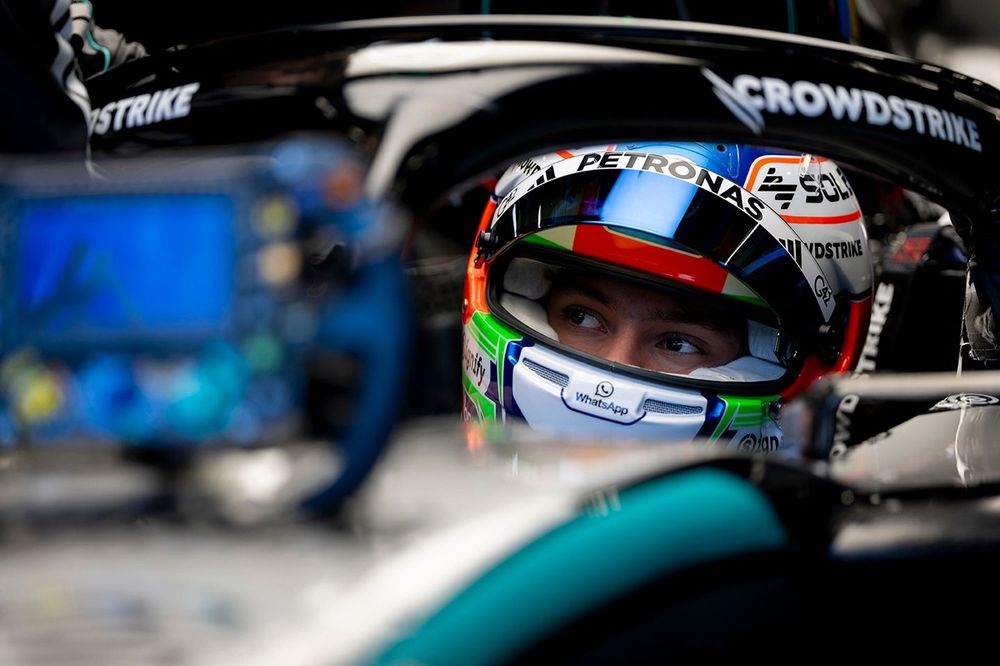
Mercedes' Andrea Kimi Antonelli argues that F1's major 2026 technical reset could help level the playing field for younger drivers. The rookie believes those accustomed to adapting to new cars each year in junior categories may find the transition easier than veterans, though he acknowledges racecraft experience remains a key factor.
Mercedes rookie Andrea Kimi Antonelli believes Formula 1's significant 2026 technical overhaul could benefit less experienced drivers, as everyone will be forced to adapt from a blank slate. The Italian, who entered F1 at 18, argues that drivers accustomed to yearly car changes in junior categories may find the transition easier than veterans with deeply ingrained driving styles.
Why it matters:
The 2026 regulations represent the largest technical shift since 2022, introducing lighter cars, active aerodynamics, and a greater reliance on electric power. This reset could disrupt the established competitive order, offering a unique window for newer drivers to close the experience gap and make an early impact against seasoned rivals.
The details:
- Antonelli suggests the complete reset negates the advantage veterans held in 2025, where they had years of experience with the previous generation of ground-effect cars.
- He points out that rookies who joined in 2025 are already "used to trying and adapt as quickly as possible to a new car" each year in the junior formulas, making the 2026 process more familiar.
- The Mercedes driver acknowledges that experience in race weekend preparation and approach remains valuable, but believes on pure car understanding, "we're all on the same level now."
- He reflected on his own challenging rookie season, which included unforced errors and pressure at events like his home Grand Prix in Imola, admitting he still has "quite a bit" to learn.
What's next:
The true test will come when pre-season testing begins. While Antonelli is optimistic about the opportunity, he concedes the experienced grid will "figure it out very quickly." The driver who best and earliest understands the new car's unique demands—balancing active aero with energy management—will gain a critical early advantage in the new era.
Don't miss the next lap
Get the deep dives and technical analysis from the world of F1 delivered to your inbox twice a week.
Zero spam. Only high-octane analysis. Unsubscribe anytime.
Join the inner circle
Get the deep dives and technical analysis from the world of F1 delivered to your inbox twice a week.
Zero spam. Only high-octane analysis. Unsubscribe anytime.
Continue Reading
View More News