Aston Martin Ends F1 Safety Car Supply, Mercedes Returns to Full Control
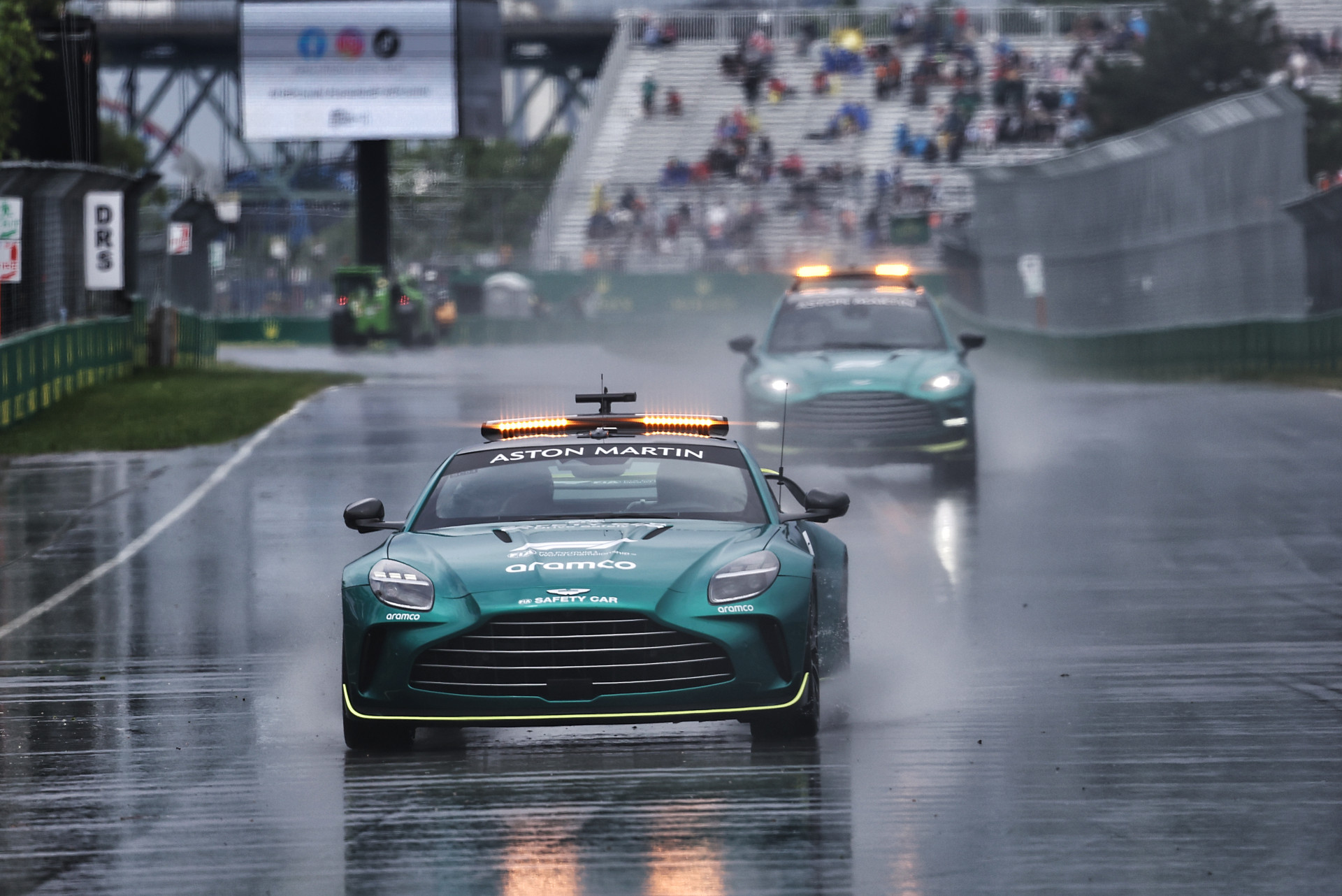
Aston Martin will stop providing Safety and Medical Cars after the 2025 season. Mercedes resumes full control of safety car duties for all 24 races in 2026, ending the five-year shared arrangement.
Aston Martin is exiting its role as an official F1 Safety and Medical Car supplier after the 2025 season. This decision clears the path for Mercedes to resume its complete monopoly over track safety vehicles starting in 2026, ending a five-year partnership that began in 2021.
Why it matters:
The return to a single supplier simplifies operations for the FIA and ensures consistency across the grid. While Aston Martin's tenure boosted the brand's visibility following its return to F1, it was frequently marred by performance debates regarding the car's pace relative to the Mercedes alternative, particularly during critical race restarts.
The details:
- Timeline: Aston Martin's agreement concluded at the end of the 2025 season. Mercedes, which held the sole role from 1996 to 2020, will now supply cars for all 24 races in the upcoming season.
- Performance Criticism: The original Vantage F1 Edition faced significant backlash for being heavier and slower than the Mercedes-AMG GT Black Series.
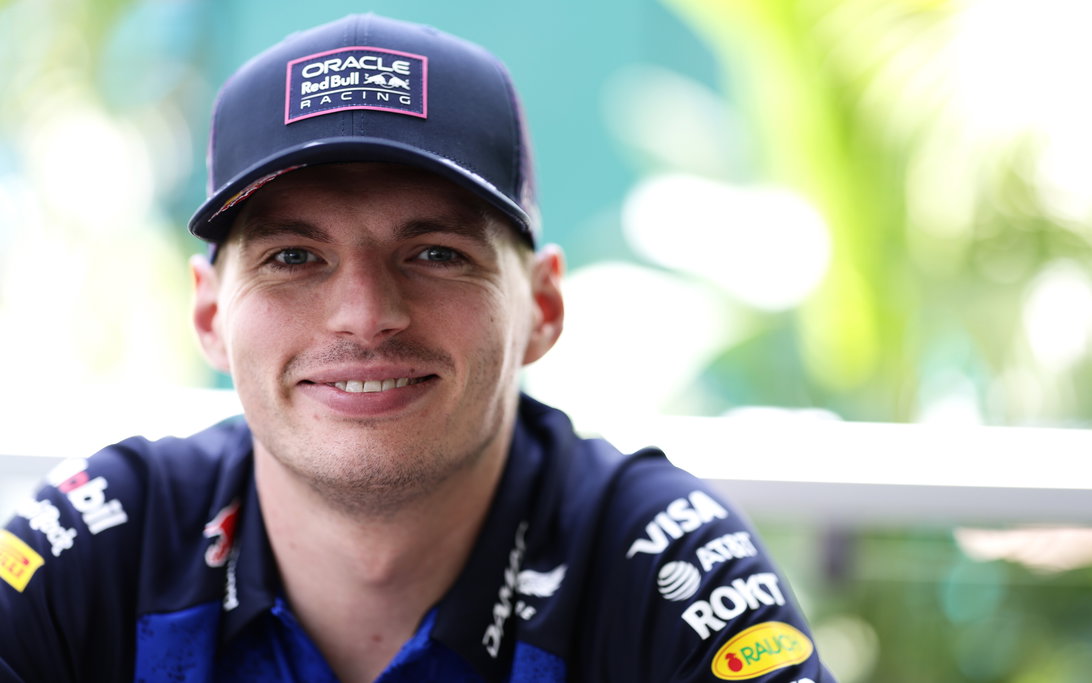
- Max Verstappen famously dubbed the car a "turtle" at the 2022 Australian Grand Prix due to its slow pace on the back straight, sparking a wider debate about safety car speed.
- Evolution: In response to feedback, Aston Martin introduced upgrades, including a revised Vantage in 2024 with 656bhp and the Vantage S during last year's Dutch Grand Prix.
- Personnel: Bernd Maylander, the driver since 2000, remains at the wheel of the safety car, continuing with the AMG GT Black Series.
What's next:
Mercedes will utilize the AMG GT Black Series for safety duties and an AMG GT 63 S-based model for medical response. The shift marks a return to the status quo for the sport, prioritizing proven reliability and performance over brand diversification in the safety car sector.
Don't miss the next lap
Get the deep dives and technical analysis from the world of F1 delivered to your inbox twice a week.
Zero spam. Only high-octane analysis. Unsubscribe anytime.
Join the inner circle
Get the deep dives and technical analysis from the world of F1 delivered to your inbox twice a week.
Zero spam. Only high-octane analysis. Unsubscribe anytime.
Continue Reading
View More News