Audi and Alpine Reveal Radical 2026 F1 Rear Wing Designs
Audi and Alpine have debuted radically different active rear wing designs for the 2026 F1 season during a Barcelona test, breaking from the grid's conventional approach. Audi's wing features a central pivot for oblique flap movement, while Alpine's operates in reverse, highlighting the new technical freedom under the upcoming regulations.
Audi and Alpine have unveiled dramatically different interpretations of Formula 1's 2026 active aerodynamics rules during a Barcelona shakedown, with their unique rear wing designs standing out from the rest of the grid. While most teams have evolved the traditional DRS concept, these two manufacturers have pursued entirely novel mechanical philosophies for their movable flaps, signaling a new era of technical divergence as the sport enters its next regulatory cycle.
Why it matters:
The 2026 regulations represent a significant shift, expanding active aero from a simple overtaking tool (DRS) to a constant performance element usable on every straight. How teams interpret these new rules will define the initial competitive pecking order. Audi and Alpine's bold departures from convention show that genuine innovation is still possible under the rules, potentially offering them a crucial early advantage if their concepts prove effective.
The Details:
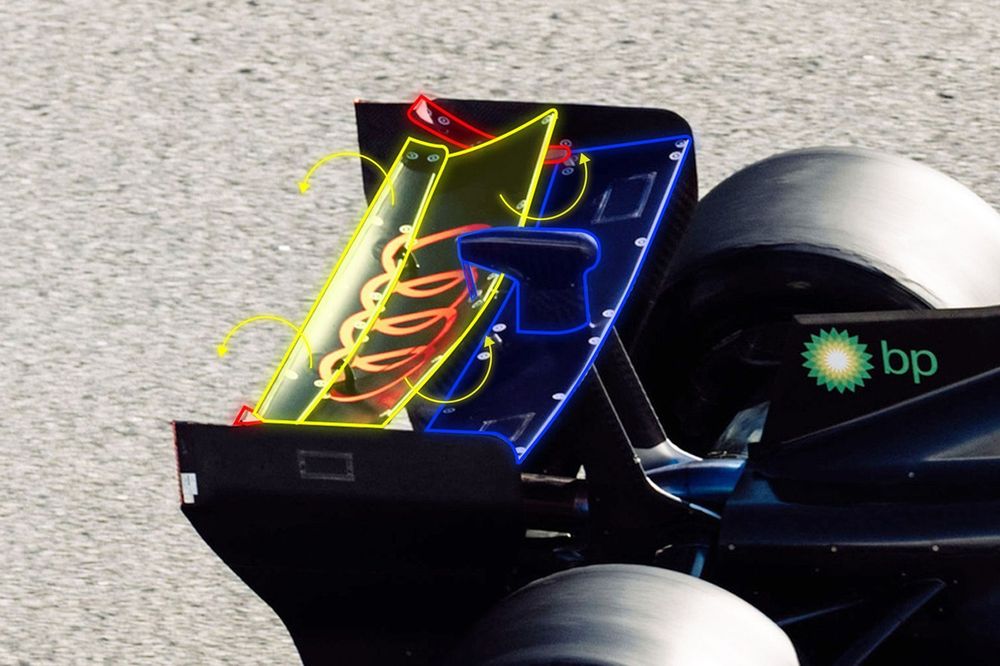
- Audi's Central Pivot: Audi's most radical innovation is the placement of the rotation pivot at the center of the movable flap's lateral supports. This causes both flaps to open into an oblique, steeply angled position rather than lifting horizontally.
- This design creates a unique aerodynamic effect, seemingly "pushing" air downward and altering airflow management at the rear of the car.
- Mechanically, Audi uses a single actuator linked only to the first flap; the second flap is passively dragged open via connecting supports, simplifying the system compared to rivals using two actuators.
- Alpine's Reversed Action: As previously reported, Alpine's wing operates in reverse: the trailing edge collapses downward while the leading edge remains fixed, effectively extending the mainplane.
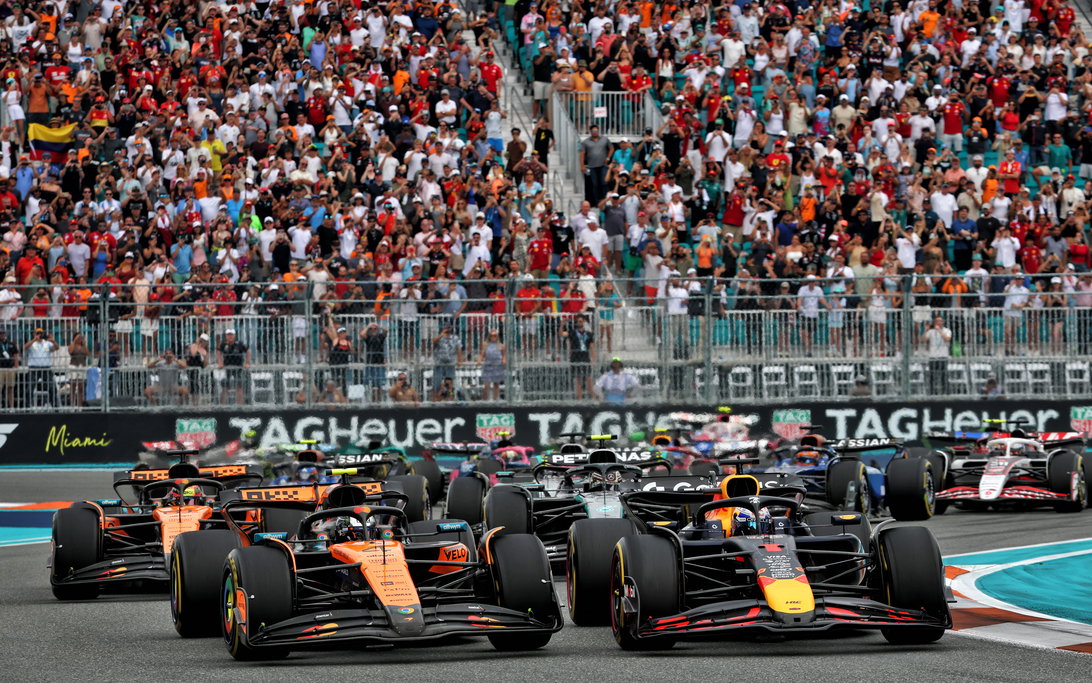
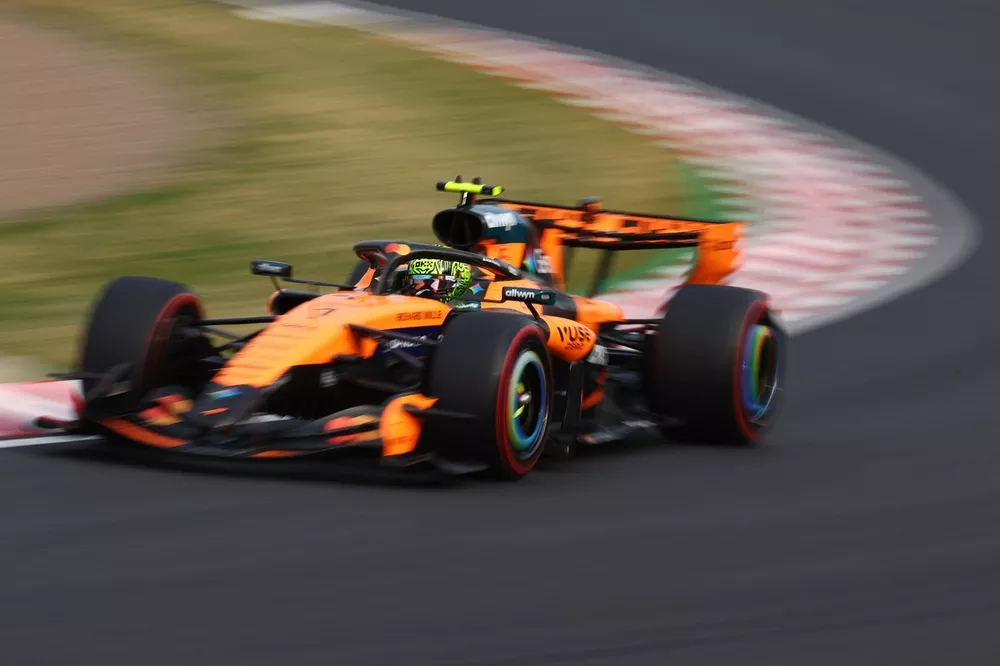
- The Grid Standard: The rest of the field, including McLaren, has largely maintained the traditional method—lifting the leading edge with a fixed trailing edge—though often with a greater lift to maximize the drag reduction on straights.
What's Next:
These Barcelona shakedown cars are early test mules, meaning the designs are far from final. The coming months will be critical for teams to validate these concepts in simulation and wind tunnels.
- Expect to see further evolution and potential convergence as teams gather data; some solutions may even be circuit-specific, swapped from race to race.
- The success of Audi and Alpine's unconventional approaches hinges on reliability and real-world performance. If successful, they could force the rest of the grid to reconsider their designs, sparking another wave of innovation before the 2026 cars hit the track for real.
Don't miss the next lap
Get the deep dives and technical analysis from the world of F1 delivered to your inbox twice a week.
Zero spam. Only high-octane analysis. Unsubscribe anytime.
Join the inner circle
Get the deep dives and technical analysis from the world of F1 delivered to your inbox twice a week.
Zero spam. Only high-octane analysis. Unsubscribe anytime.
Continue Reading
View More News