Audi Embarks on Long Haul to F1 Glory with Patience and Purpose
Audi is entering Formula 1 with a clear, patient, and purpose-driven strategy, aiming for championship glory by 2030. Recognizing the immense challenge, the German manufacturer is investing heavily in developing its own power unit and transforming the Sauber operation into a top-tier factory team. Unlike past newcomers, Audi's board fully supports this long-term vision, understanding that success in F1 requires a phased approach of growth, consolidation, and relentless innovation.
Audi is making a grand entrance into Formula 1, not with a bang, but with a meticulously planned, years-long ascent. The German automotive giant, renowned for its motorsport triumphs at Le Mans and in rallying, is bringing its strategic, methodical approach to F1, understanding that true glory requires patience and sustained effort.
Why it matters:
Audi's entry into F1 represents a significant shift, as the brand aims to transform Sauber's mid-field presence into a championship-contending force. Unlike some past high-profile newcomers, Audi's board and leadership are openly embracing a long-term vision, recognizing the immense challenge of building a winning F1 team and power unit from scratch. This patient yet ambitious strategy could set a new benchmark for how new manufacturers enter and succeed in the sport, potentially reshaping the competitive landscape by the end of the decade.
The details:
- Ambitious Timeline: Audi's F1 project chief, Mattia Binotto, has set an ambitious but realistic goal of winning a championship by 2030, a testament to the scale of their commitment and the understanding of the development cycle required.
- Ground-Up Development: The company is simultaneously building an entirely new power unit department in Neuburg and expanding and modernizing the Hinwil operation to become a state-of-the-art factory team.
- The power unit is already running on the dyno, undergoing crucial reliability work, while the first Audi F1 chassis is taking shape in Switzerland.
- Board's Understanding: Team Principal Jonathan Wheatley emphasized that the Audi board has provided a "very realistic set of targets," showing a deep understanding of the phased approach needed for success in F1, including periods of growth followed by consolidation.
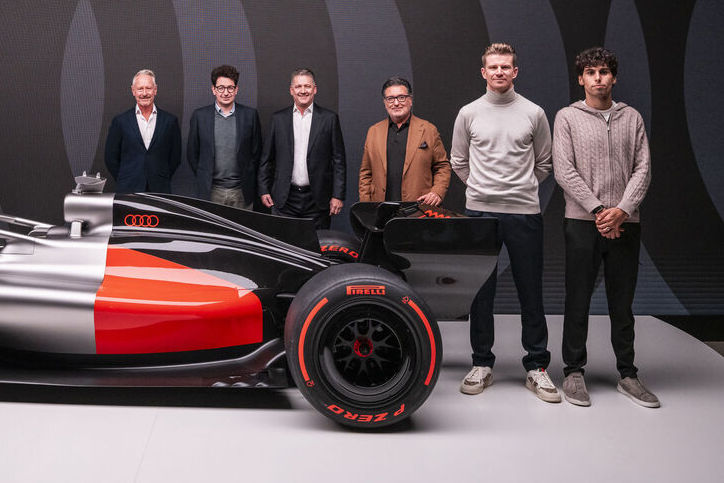
- Design Ethos: Audi's R26 Concept car, presented in a distinctive red, black, and titanium silver livery, is designed to establish a unique and recognizable visual identity on the F1 grid, reinforcing the brand's long-term commitment to the sport's aesthetic and competitive future.
What's next:
Audi's journey will be defined by continuous development, rigorous testing, and strategic growth. The team is building momentum, with engine development progressing well and the chassis taking shape.
- The next major milestone will be the official fire-up of their first F1 car, followed by its track debut. The dream is getting closer, with Binotto noting the special moment it will be when they hit the track next year.
- Audi's measured yet ambitious approach, backed by a clear long-term plan, suggests they are not just aiming to participate but to fundamentally reshape their position in Formula 1. If executed as planned, their patient, engineering-driven strategy could see them become a formidable force by the end of the decade, making them a significant threat to the established order.