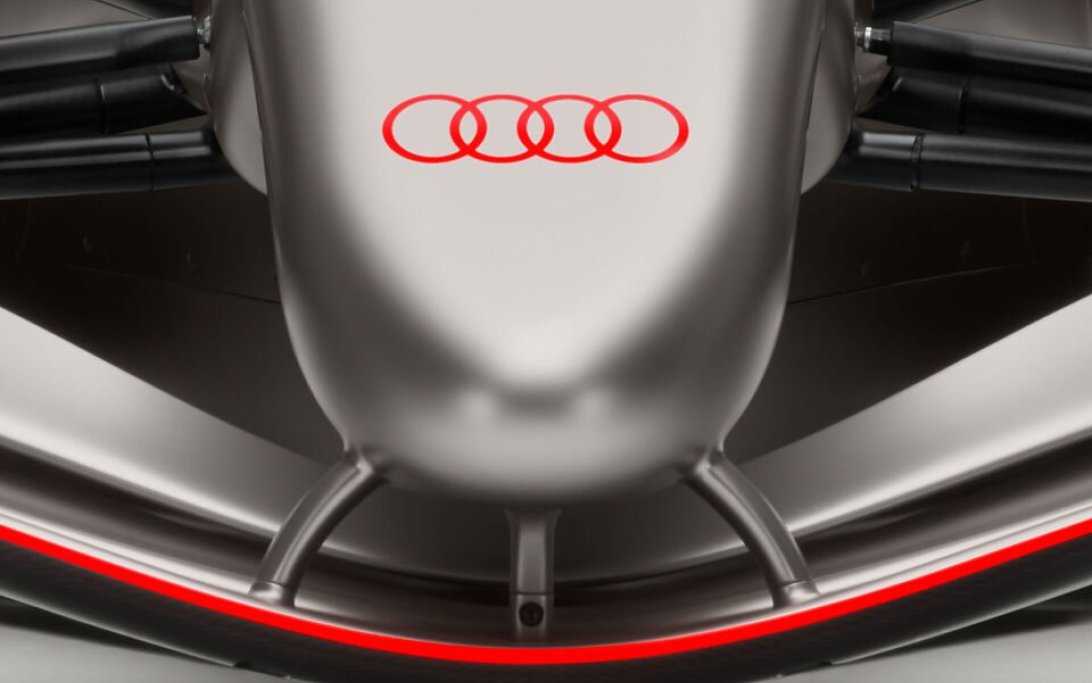
Audi F1 Boss Mattia Binotto Discusses 'Tense Moments' in Power Unit Development
Audi F1 boss Mattia Binotto has revealed the intense challenges and 'tense moments' involved in developing the company's own power unit for their 2026 grid entry. He emphasized the complexity and time required for engine development, currently focusing on reliability testing on the dyno. Binotto highlighted that while the power unit is a major hurdle, becoming a world champion demands overcoming numerous other 'tricky' challenges across all aspects of a Formula 1 team.
Audi F1 boss Mattia Binotto admits the journey to build their own power unit has been fraught with “tense moments,” as the German manufacturer prepares to join the grid next year by taking over the Sauber-run squad.
Why it matters:
Audi's commitment to developing its own power unit signifies a substantial investment and a long-term vision for Formula 1. Success in this endeavor is critical for their aspirations, as a strong and reliable engine is foundational to challenging for championships. Binotto's insights offer a rare glimpse into the immense technical and organizational hurdles new manufacturers face.
The details:
- Audi announced its F1 entry plans almost four years ago and has since undergone significant personnel changes, including the appointment of Mattia Binotto, former Ferrari Team Principal, to lead the project.
- Building a proprietary power unit is a cornerstone of Audi's strategy, a decision Binotto acknowledges is inherently difficult and time-consuming.
- Development Timeline: Binotto highlighted that power unit development takes longer than chassis and aero development, indicating the project has been underway for several years.
- Dyno Testing: The power unit is currently running on the dyno, with a primary focus on ensuring reliability for the start of the season. Binotto described “tense moments” in Neuburg, Audi's base, reflecting the high-pressure environment of pushing for performance and durability simultaneously.
- Long-Term Vision: Audi has publicly stated its ambition to contend for a world championship by the 2030 season, a goal that underscores the scale of their long-term commitment.
The big picture:
Audi's entry with its own power unit makes them unique among recent new entrants, who have typically relied on existing engine suppliers. This approach, while more challenging, could ultimately give them greater control over their performance destiny. Binotto's experience at Ferrari, a team with a rich history of engine development, is invaluable for navigating these complex technical and operational waters.
What's next:
While the immediate focus is on ensuring the power unit's reliability for its debut, Binotto stressed that engine development is just one piece of the championship puzzle. Achieving success in F1 requires excellence across all areas—chassis, aerodynamics, strategy, and operations. The coming seasons will reveal how effectively Audi integrates these elements to build a truly competitive team and whether they can overcome the inherent difficulties of entering F1 as a full manufacturer.