Audi F1 Debuts Striking New Sidepod Design in Bahrain Testing
Audi unveiled a radically redesigned F1 car with vertical 'zero-pod' style sidepods at the Bahrain pre-season test, marking a bold and risky new aerodynamic direction following a troubled initial shakedown.
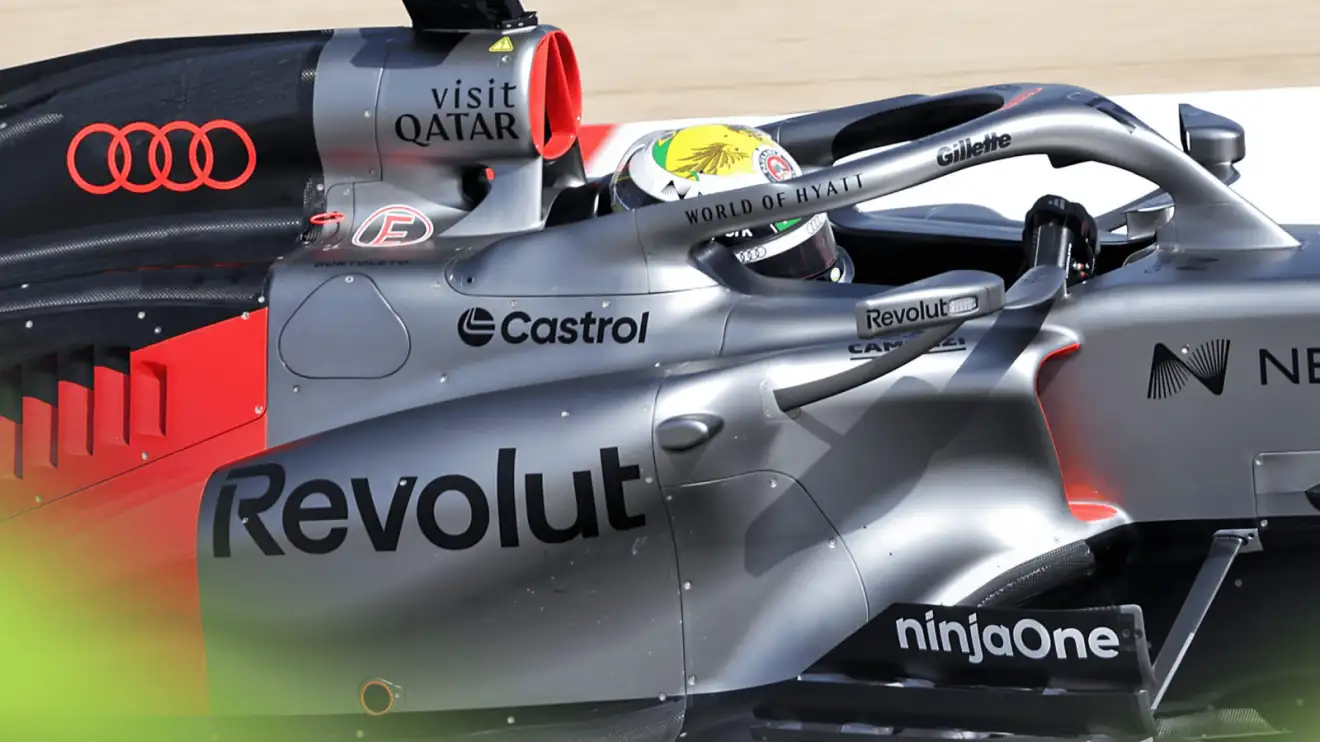
Audi has arrived at the second pre-season test in Bahrain with a significantly upgraded R26, featuring a radical new sidepod design characterized by narrow, vertical inlets. This bold aerodynamic concept, reminiscent of Mercedes' infamous 'zero-pod' approach, marks a major development direction for the team as they seek more mileage and performance ahead of the 2026 season.
Why it matters:
Audi's aggressive shift in sidepod philosophy signals a confident and distinct technical path for the new manufacturer. After a limited and troubled shakedown in Barcelona, introducing such a visible and conceptually extreme upgrade so early in testing underscores the team's urgency to solve its performance and reliability puzzles. The design choice carries inherent risk, mirroring a path that ultimately failed for Mercedes, making its development a critical storyline to follow.
The Details:
- The new 'B-spec' car features vertical sidepod inlets, a stark departure from the more conventional inlet layout used at the Barcelona shakedown just weeks prior.
- The design has been immediately compared to the 'zero-pod' concept pioneered by Mercedes in 2022, which that team struggled with for over a season before abandoning it.
- Driver Gabriel Bortoleto was at the wheel for the initial running in Bahrain, with teammate Nico Hülkenberg scheduled to take over later in the day.
- The Bahrain test follows a challenging Barcelona shakedown for Audi, where a technical issue for Bortoleto on the first morning limited the team to just 240 laps across three days—one of the lowest totals among all teams.
What's next:
All eyes will be on the reliability and performance data from the R26 over the next two days in Bahrain. The team will be desperate for clean, consistent running to validate this new aerodynamic direction and gather crucial data. Hülkenberg's previous comments about the Barcelona test helping the team find "the direction" for 2026 will now be put to the test with this concrete and radical design evolution.
Don't miss the next lap
Get the deep dives and technical analysis from the world of F1 delivered to your inbox twice a week.
Zero spam. Only high-octane analysis. Unsubscribe anytime.
Join the inner circle
Get the deep dives and technical analysis from the world of F1 delivered to your inbox twice a week.
Zero spam. Only high-octane analysis. Unsubscribe anytime.