Audi Le Mans, Formula E, and Dakar Experience to Aid F1 2026 Power Unit Development
Audi F1 chiefs believe the brand's extensive hybrid racing experience in Le Mans, Formula E, and the Dakar Rally will be a critical asset for mastering the new 2026 F1 power unit regulations. With a significant increase in electric power and energy recovery, Audi's proven expertise in managing complex hybrid systems is expected to provide a crucial advantage as they prepare to enter Formula 1 with Sauber.
Audi's Formula 1 leadership believes the brand's extensive motorsport background will be instrumental in mastering the sport's new power unit regulations set for 2026. With a significant increase in electric power, demanding more sophisticated energy management, Audi's varied hybrid racing experience—from Le Mans to Formula E and Dakar—is seen as a crucial advantage for their entry into F1.
Why it matters:
Audi's entry into Formula 1 in 2026, taking over Sauber, coincides with a radical shift in power unit regulations. The new units will feature a near 50:50 split between electric and internal combustion power, with electric output surging from 120kW to 350kW (469hp) and double the energy recovery from braking. This paradigm shift makes prior hybrid experience invaluable, potentially fast-tracking Audi's competitiveness in the sport.
The details:
- Formula E Background: Audi developed its own powertrains in Formula E from 2015 to 2021. While they exited before the most powerful Gen3 cars, their experience in energy management and efficiency optimization from the 250kW Gen2 era is expected to be beneficial.
- Le Mans Expertise: Gernot Doellner, chairman of Audi and Sauber Motorsport, highlighted Le Mans as even more relevant than Formula E. Audi's hybrid-powered R18 e-tron quattro, which won the Le Mans 24 Hours three consecutive times (2012-2014) with up to 200kW of electric power, offers a direct comparison in managing both combustion engine and electric systems.
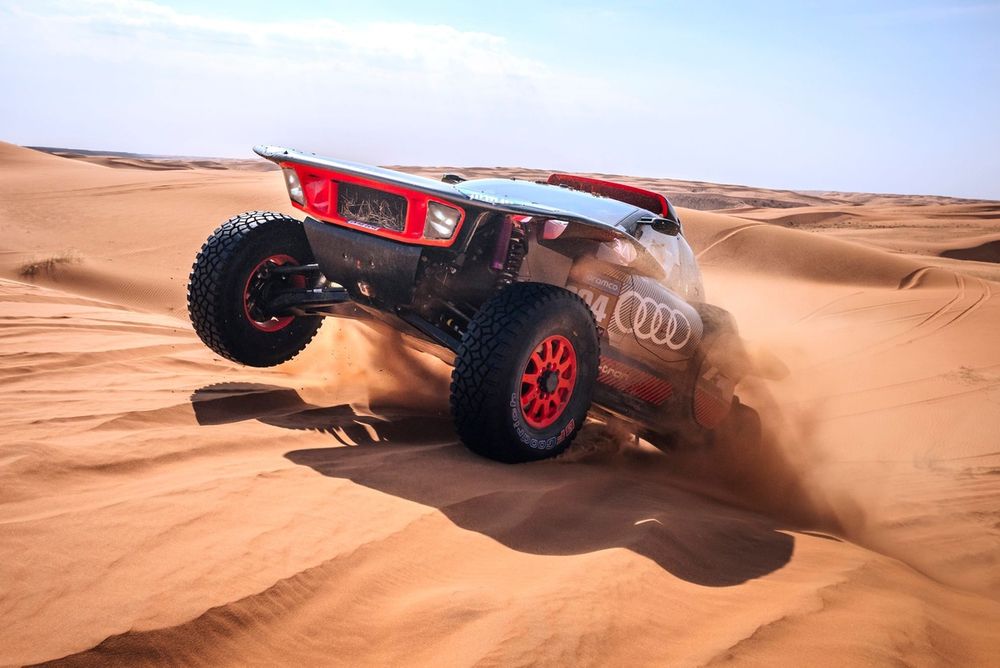
- Dakar Rally Success: More recently, Audi secured victory in the 2024 Dakar Rally with its RS Q e-tron, which primarily relied on electric power (286kW/384hp). This victory further demonstrates Audi's prowess in developing and optimizing hybrid systems under extreme conditions.
- Integrated Competence: Mattia Binotto, leading the Audi F1 project at Sauber, expressed being "positively impressed" by Audi's hybrid expertise, developed through Dakar and Formula E. He believes this collective skill will be a significant advantage for their F1 endeavor.
What's next:
Audi's diverse hybrid racing portfolio provides a robust foundation for tackling the complex 2026 F1 power unit regulations. As they integrate these learnings into their F1 development program, the expectation is that their accumulated knowledge will allow them to hit the ground running, potentially enabling them to challenge for titles by 2030, as previously stated. The true test will be how effectively they can translate their multi-disciplinary hybrid success into the specific demands and constraints of Formula 1.