Audi Unveils 'Silver Arrow' F1 Design for 2026 Debut
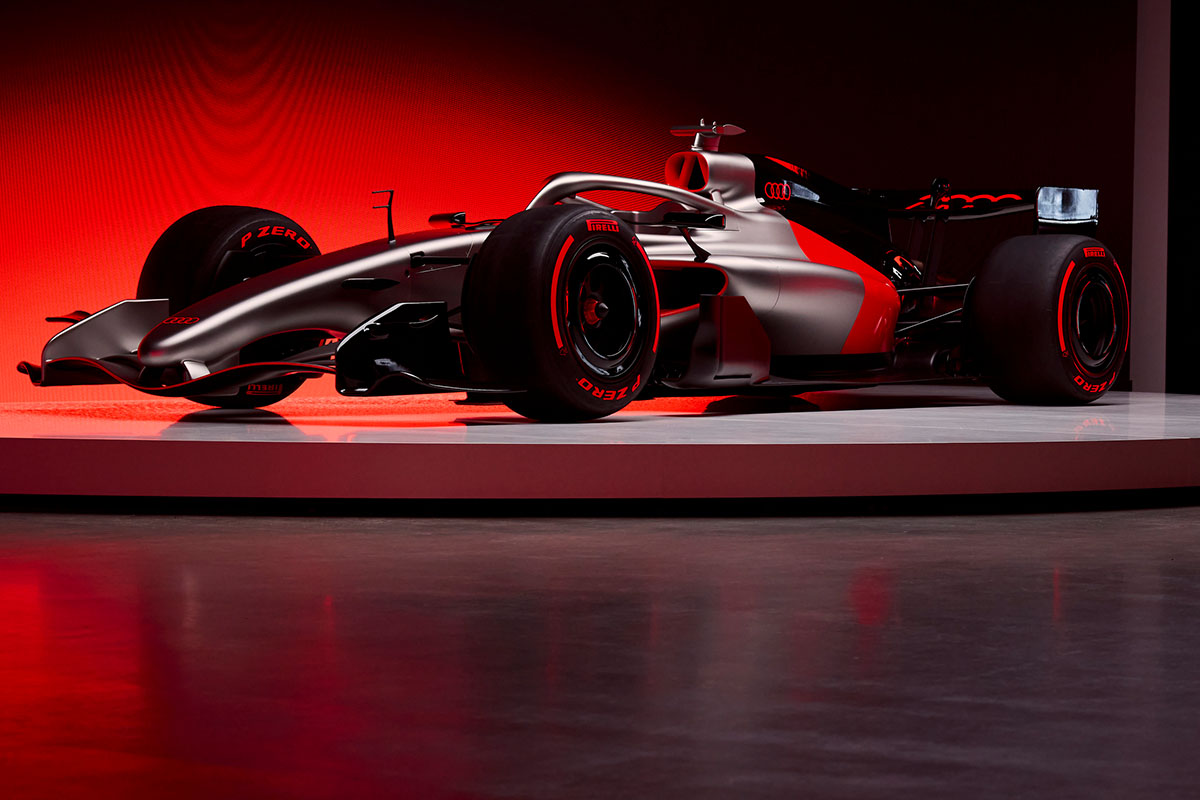
Audi has unveiled its R26 Concept car, revealing the design and livery for its 2026 Formula 1 debut, showcasing a 'Silver Arrow' inspired look. The German manufacturer has set an ambitious goal to fight for the world championship title by 2030, leveraging F1 as a strategic platform for innovation and brand transformation. With key partnerships and experienced leadership, Audi is poised to make a significant impact on the sport.
Audi has revealed the R26 Concept car, showcasing the design and livery concept for its future Formula 1 racer, marking a significant step 115 days before its highly anticipated debut in the pinnacle of motorsport. The German manufacturer aims to contend for the world championship title by 2030.
Why it matters:
Audi's entry into Formula 1 with an ambitious design and a clear long-term goal signifies a new chapter for the brand, positioning F1 as a central pillar for its corporate transformation. This move is not just about racing; it's a strategic marketing and technological initiative, leveraging the sport's global reach and competitive environment to accelerate innovation and reinforce Audi's 'Vorsprung durch Technik' philosophy on a global stage.
The Details:
- Design Concept: The R26 Concept features a titanium-silver front, carbon-black rear, and Audi-red accents with sharp edges, prominently displaying the four rings logo. This color scheme has drawn comparisons to the historic 'Silver Arrows' of Mercedes.
- Strategic Ambition: Audi CEO Gernot Döllner stated, "We are not entering Formula 1 just to be present. We want to win." The long-term goal is to compete for the world championship title by 2030, acknowledging that building a top team takes time and sustained effort.
- F1 as a Catalyst: Döllner emphasized that Formula 1 will serve as a "catalyst for the transition to a leaner, faster, and more innovative Audi," reflecting the company's broader strategic realignment.
- Financial Prudence: The F1 budget cap of approximately 185 million Euros (215 million USD) makes the financial risks manageable, while the sport's global fanbase of over 820 million offers immense marketing potential.
- Unified Design Language: Audi Chief Creative Officer Massimo Frascella highlighted that the F1 project will spearhead a new, unified brand identity that will be rolled out across the F1 team and Audi as a whole.
- Key Partnerships: Major partners already on board include sportswear giant Adidas as an outfitter, BP for fuel and lubricants, and the financial technology company Revolut.
- Sporting and Management Structure: The team has secured experienced driver Nico Hülkenberg and promising young talent Gabriel Bortoleto. High-profile F1 veterans Mattia Binotto (former Ferrari team principal) and Jonathan Wheatley (former Red Bull team manager) are at the helm, reporting directly to Döllner.
- Technological Hubs: Since 2022, Audi has been developing its F1 power unit in Neuburg an der Donau, Germany. This includes a 1.6-liter V6 turbo engine with a significantly more powerful electric motor, running on sustainable e-fuels, and a newly developed gearbox. Chassis construction and race operations will be coordinated from the former Sauber team's base in Hinwil, Switzerland, with an additional technical office in Bicester, England.
What's next:
Audi's journey in Formula 1 is just beginning, but its rich motorsport heritage, characterized by leading innovation and achieving success across various disciplines, sets a formidable precedent. The brand's determined approach to F1, focusing on technological advancement, strategic partnerships, and a clear vision for championship contention by 2030, suggests a strong future. If Audi can successfully translate its 'Vorsprung durch Technik' into competitive performance on the grid, it could indeed add another glorious chapter to its motorsport legacy, challenging the established order and potentially becoming the next 'Silver Arrows' of the modern F1 era.