Australian GP active aero zone scrapped hours before final practice
In a dramatic late change, the FIA removed a designated active aerodynamics zone at the Australian GP due to driver safety concerns, forcing teams to radically alter their car setups just before final practice and throwing their weekend preparations into chaos.
Formula 1 teams face a major, last-minute setup overhaul after the FIA deactivated a key active aerodynamics zone at the Australian Grand Prix just hours before Saturday's final practice session. The governing body removed the low-drag 'straight mode' permission for the high-speed section from Turn 8 exit through the Turn 9-10 esses following driver safety complaints, upending the teams' weekend preparations.
Why it matters:
This abrupt mid-weekend rule change strikes at the heart of F1's new regulatory era, where active aero is a central performance and overtaking tool. Prioritizing immediate safety concerns over competitive fairness sets a significant precedent and forces teams to scramble, highlighting the teething problems of complex new technical regulations in real-world conditions.
The details:
- The FIA had originally permitted drivers to activate straight mode in five zones around Albert Park to aid overtaking under the new 2026-spec active aerodynamics rules.
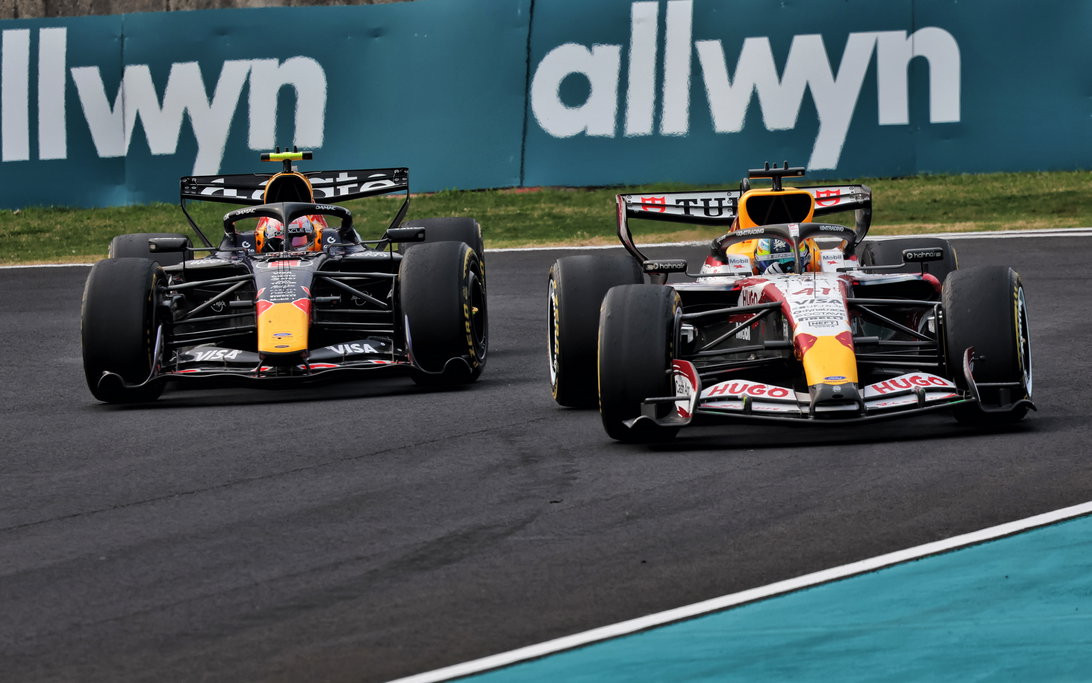
- The now-removed zone covered a challenging, sweeping high-speed section, not a traditional straight.
- Safety Driver Feedback: During Friday night's drivers' briefing, several drivers expressed concerns that using low-drag mode through the fast esses while following another car was unsafe, prompting the FIA's intervention.
- Major Setup Implications: The change forces teams to discard their Friday setup work. Without the low-drag assist in that sector, cars will run with more downforce, leading to:
- Higher battery energy depletion.
- Increased tire pressures and lower ride heights.
- A greater risk of excessive plank wear, which could result in post-race disqualifications.
- One frustrated team source likened the change to "a football referee changing the size of the goalposts at halftime."
Between the lines:
FIA Single-Seater Director Nikolas Tombazis acknowledged the disruption but emphasized safety as the non-negotiable priority. The decision, instigated by listening to driver feedback, signals the FIA's cautious approach to launching the new active aero system. However, it also reveals a potential gap between pre-event simulation and real-world driver experience, creating instability for teams who invest heavily in precise pre-event planning. The move aims to 'start this on the right foot' for the new rules but does so at the cost of competitive consistency for the teams.
Don't miss the next lap
Get the deep dives and technical analysis from the world of F1 delivered to your inbox twice a week.
Zero spam. Only high-octane analysis. Unsubscribe anytime.
Join the inner circle
Get the deep dives and technical analysis from the world of F1 delivered to your inbox twice a week.
Zero spam. Only high-octane analysis. Unsubscribe anytime.
Continue Reading
View More News