Australian GP exposes critical flaws in F1's 2026 regulations
The Australian Grand Prix revealed critical flaws in F1's 2026 technical regulations, with cars crippled by poor energy management and drivers forced to conserve power instead of racing. The chaotic event has left the FIA facing a major dilemma: fix the fundamentally compromised racing product without causing the new manufacturer partners to abandon their investments.
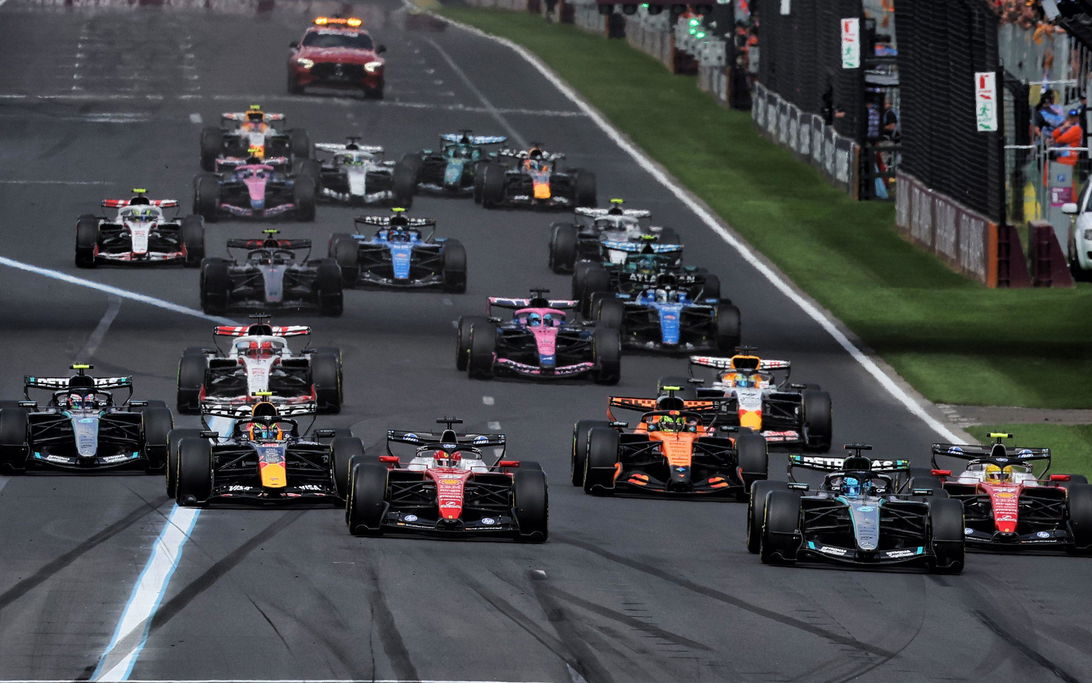
The 2026 Formula 1 season opened in Australia with a chaotic race that exposed fundamental problems with the new technical regulations, turning the event into a showcase of poor energy management and artificial racing. Cars were seen crawling on straights as batteries drained, and drivers were forced to lift and coast instead of attacking, undermining the core spectacle of the sport. The FIA and teams now face a monumental challenge to fix the formula without triggering a manufacturer exodus or further eroding fan interest.
Why it matters:
The 2026 regulations were designed to attract new manufacturers with a focus on sustainability and road-relevant hybrid technology. A failed launch not only jeopardizes the competitive integrity of the sport but also risks alienating the fanbase it has worked to grow, potentially unraveling years of strategic planning and investment from committed engine suppliers like Audi, Ford, and Honda.
The details:
- The Albert Park circuit highlighted severe energy deployment issues, with cars slowing dramatically to ~60 km/h on the main straight between Turns 8 and 9 due to completely drained batteries.
- Lap times were dictated by energy conservation rather than outright speed, contradicting F1's identity as the pinnacle of motorsport.
- Qualifying compromised: Onboard footage showed drivers lifting off throttle well before braking zones, transforming qualifying laps into calculated energy-saving exercises rather than flat-out sprints.
- Dangerous race starts: Liam Lawson's Racing Bulls car nearly stalled at the start due to a turbo system failure, almost causing a massive pile-up that was only avoided by Franco Colapinto's quick reflexes.
- Artificial overtaking: Lando Norris warned of potential serious crashes due to massive speed differentials, noting that the majority of the race's 130 recorded overtakes were not genuine battles but a result of energy mismanagement.
What's next:
The FIA is trapped in a difficult position with no easy solutions, as the window for major changes is closing fast.
- Proposed fixes include modifying the 'superclipping' system to allow braking at full throttle for better battery recharge, or raising the energy recovery limits to let drivers push harder—though this would make cars several seconds per lap slower.
- Dialing back the battery's influence is another option, but the foundational 50-50 split between engine and electrical power cannot be easily overhauled, requiring further complex car modifications.
- The core dilemma is that any significant change could break the promises that brought manufacturers into the sport, potentially causing them to leave. However, maintaining the current trajectory risks turning fans away from a product that no longer delivers pure racing excitement. F1 must find a way to balance its technological ambitions with the need for a compelling spectacle.