Bahrain F1 2026 test reveals winners and losers
The final 2026 pre-season test in Bahrain revealed a stark divide: Ferrari impressed with strong pace and innovation, while Aston Martin was crippled by Honda engine failures. Newcomer Cadillac showed promising speed, and Haas emerged as a potential midfield leader ahead of the season opener in Melbourne.
Ferrari emerged as a major winner from the final pre-season test in Bahrain, showing strong pace and innovative design, while Aston Martin faced a disastrous fortnight plagued by Honda power unit reliability issues. The test also provided an encouraging debut for newcomer Cadillac and highlighted a brewing midfield battle as teams prepare for the radically different 2026 season opener in Melbourne.
Why it matters:
The 2026 season introduces the biggest technical regulation overhaul in years, making pre-season performance a critical indicator of which teams have adapted successfully. With limited testing time, a poor start can define an entire season, while a strong showing can provide crucial momentum and data for development.
The Details:
- Ferrari's Encouraging Winter: Ending testing with the fastest time, Ferrari's new car shows genuine pace. Its strategy of starting with a basic package and bringing major upgrades later—including a radical, experimental upside-down rear wing—appears validated. The team also demonstrated strong practice starts, a key asset for the new era.
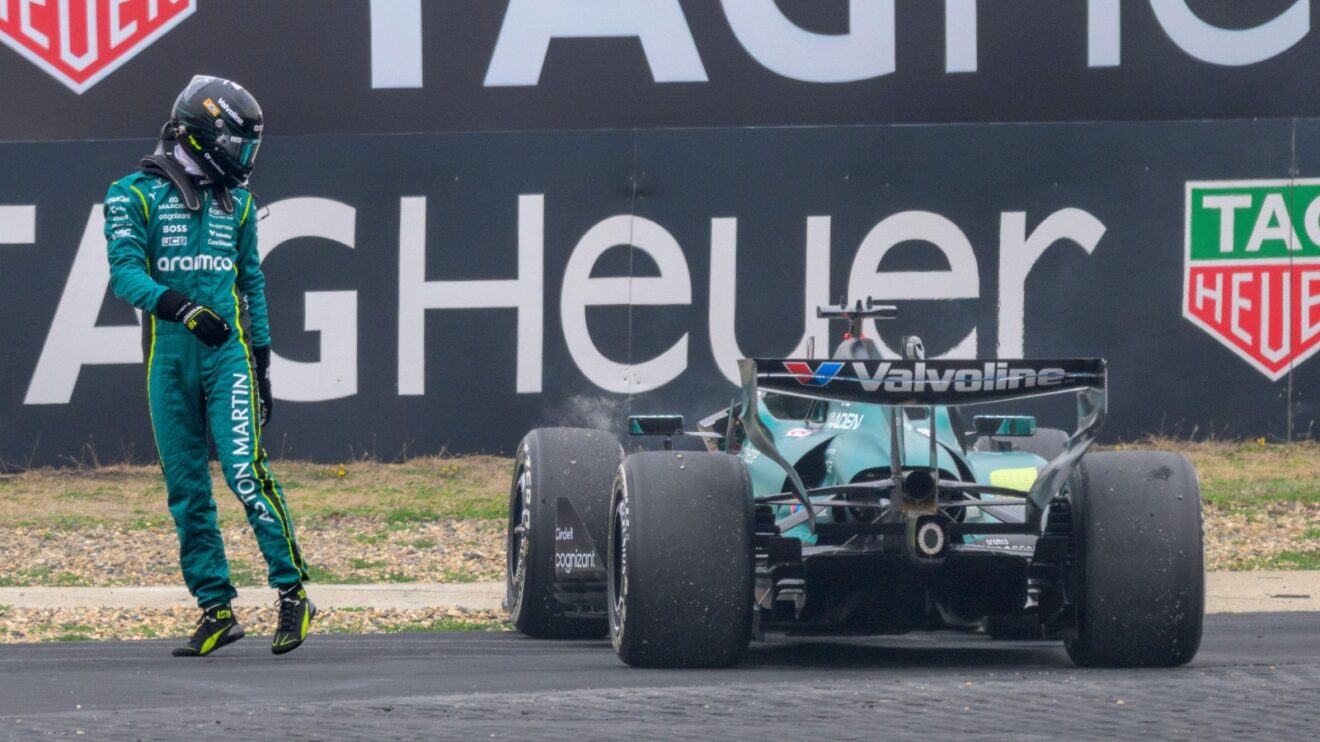
- Aston Martin's Dire Situation: The team is in crisis after a test hampered by persistent Honda power unit and battery failures. Completing only six laps on the final day leaves it with minimal data and understanding of its AMR26, putting it at risk of pressure from Cadillac from the very first race.
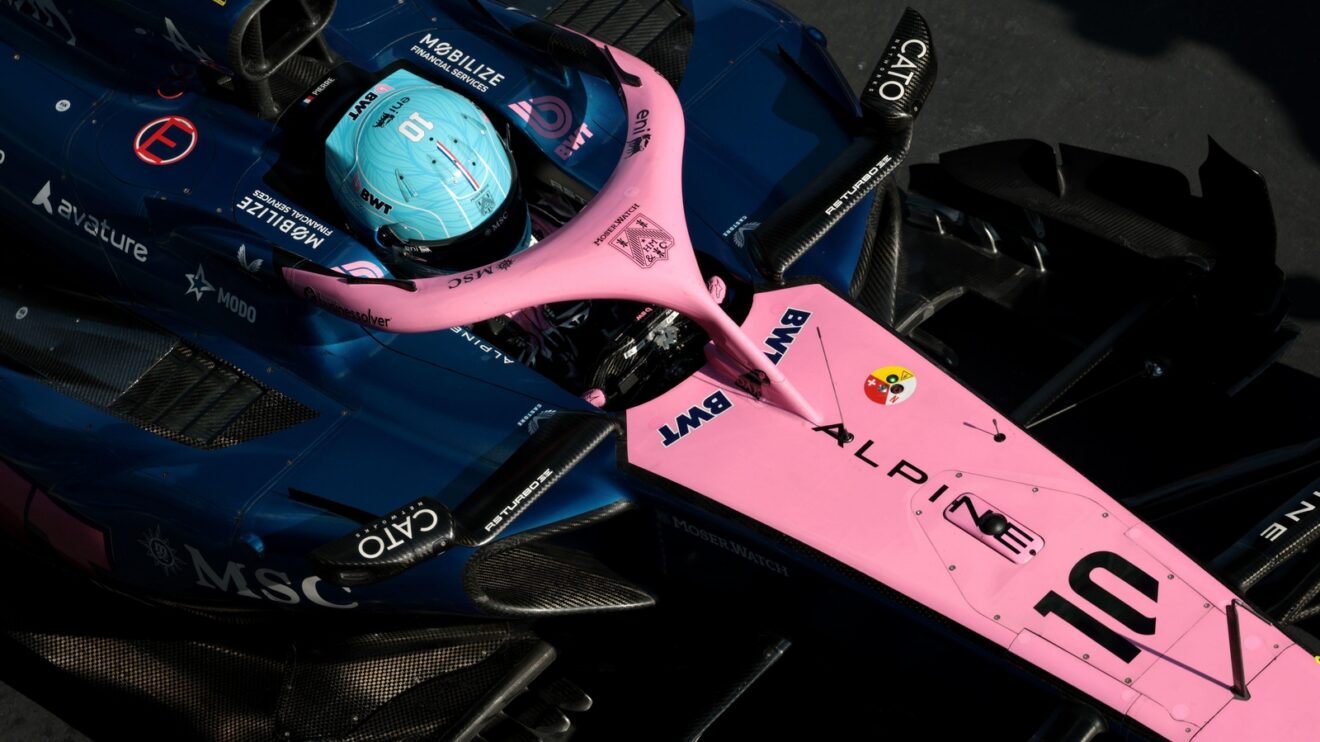
- Haas Leads the Midfield: As F1's least-resourced team, Haas impressed by completing the third-highest mileage and showing performance that places it squarely in the middle of the pack, potentially ahead of Alpine in the early midfield hierarchy.
- Cadillac's Promising Debut: For a brand-new team, Cadillac's performance was far from being cut adrift. While mileage dipped in the second week, its lap times were respectable and well within the 107% qualifying rule, suggesting it may not start at the very back of the grid.
- Williams's Underwhelming Pace: Despite catching up on mileage after skipping the Barcelona shakedown, Williams's performance runs on soft tires were unimpressive and its long-run data was described as uninspiring, failing to meet expectations for its new car.
- Ingenuity on Display: Ferrari's radical rear wing highlighted that creative engineering remains alive in F1 under the new rules, while a common-sense solution to start procedure safety concerns was swiftly implemented and tested.
What's Next:
All eyes now turn to the Australian Grand Prix, where theoretical performance meets reality. Ferrari will aim to convert its testing promise into a front-running challenge, while Aston Martin faces a desperate race against time to fix its reliability woes. The early pecking order between Haas, Alpine, and Williams will begin to solidify, and Cadillac will embark on its official F1 journey. The off-track political battle over engine compression ratio rules will also reach a conclusion with a pivotal vote next week.
Don't miss the next lap
Get the deep dives and technical analysis from the world of F1 delivered to your inbox twice a week.
Zero spam. Only high-octane analysis. Unsubscribe anytime.
Join the inner circle
Get the deep dives and technical analysis from the world of F1 delivered to your inbox twice a week.
Zero spam. Only high-octane analysis. Unsubscribe anytime.
Continue Reading
View More News