Bahrain Pre-Season Testing Concludes, Teams Analyze Data Ahead of Melbourne
F1's pre-season testing in Bahrain wrapped up, offering initial clues about the 2024 pecking order. Ferrari showed strong reliability, while teams like Mercedes grappled with technical issues as all now analyze data before the season opener in Melbourne.
Formula 1's sole pre-season test in Bahrain concluded on Friday, sending teams back to their factories to analyze three days of critical data before the season-opening Australian Grand Prix in Melbourne. The test provided the first true glimpse of the 2024 competitive order, with Ferrari appearing strong and reliable while reigning champions Red Bull and others faced varied technical challenges.
Why it matters:
Pre-season testing is the only opportunity for teams to run their new cars in a representative setting before points are on the line. The data and reliability trends gathered in Bahrain directly inform final upgrades and strategic decisions for the first race, making it a crucial indicator of early-season form and potential development trajectories.
The details:
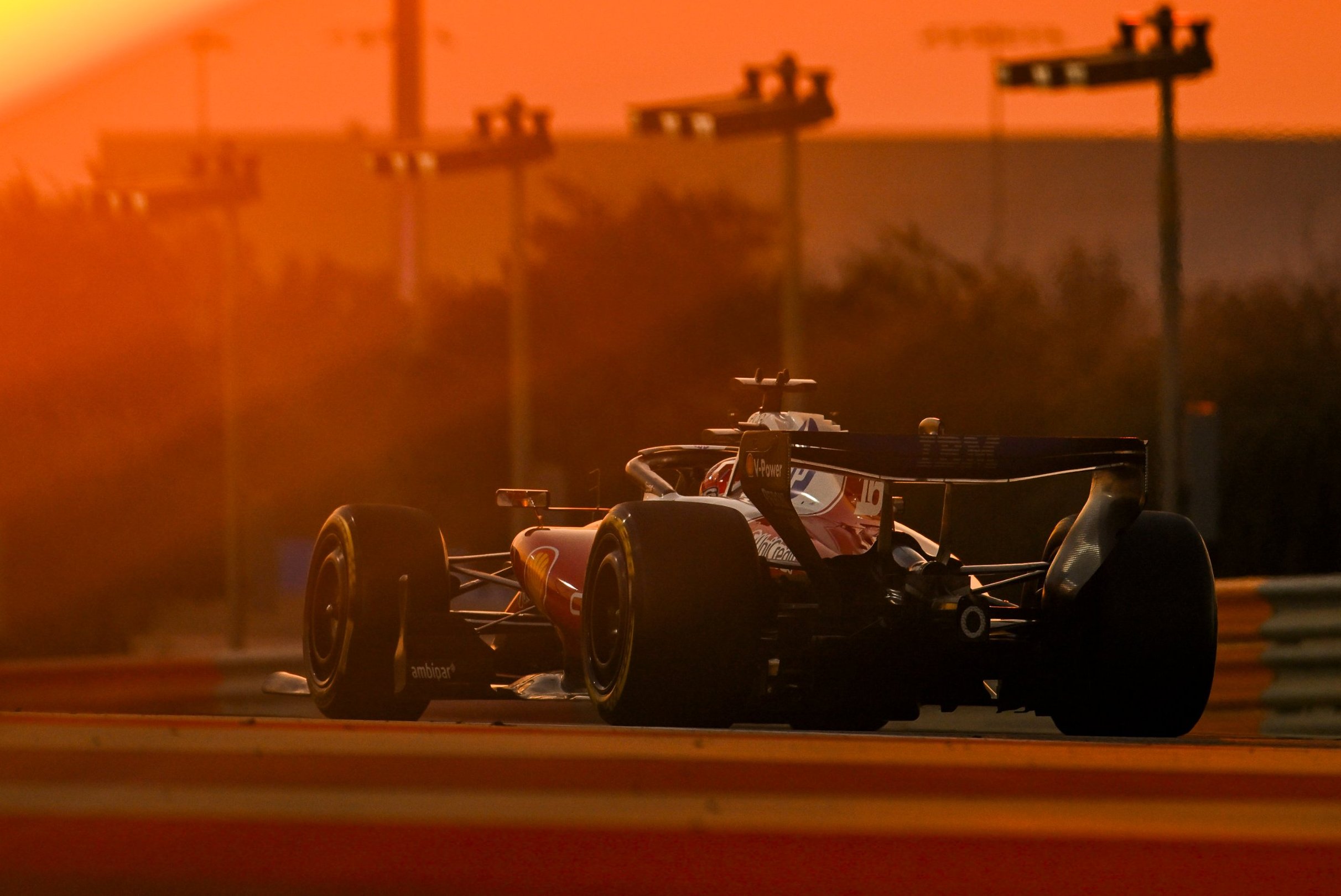
- Ferrari's Promising Pace: The SF-24 demonstrated impressive lap time consistency and reliability over long runs, completing a high mileage count without major issues. This marks a significant step forward in drivability and tire management compared to its predecessor.
- Red Bull's Low-Key Program: While the RB20 showed flashes of speed, the team focused on a disciplined testing program, gathering correlation data and experimenting with set-ups rather than chasing headline lap times. Minor reliability gremlins were addressed during the test.
- Mercedes' Bouncing Concerns: The W15 showed improved handling, but the team continued to wrestle with a recurring bouncing issue, particularly in high-speed corners. Engineers are analyzing data to understand if this is a fundamental car characteristic or a solvable set-up challenge.
- Midfield Intrigue: Aston Martin, McLaren, and Visa Cash App RB (formerly AlphaTauri) all showed moments of competitive pace, suggesting a tight battle in the midfield is likely. Teams like Alpine and Williams faced more pronounced reliability setbacks, limiting their running.
What's next:
With the cars now in transit to Australia, the focus shifts entirely to simulation and data analysis. Teams will use the next two weeks to finalize their Melbourne packages and strategies based on their Bahrain findings.
- The true competitive picture will only become clear under the pressure of qualifying and race conditions at Albert Park on March 24.
- Expect initial upgrades and major set-up changes as teams react to their first direct competition of the year, with early development races crucial for establishing momentum.
Don't miss the next lap
Get the deep dives and technical analysis from the world of F1 delivered to your inbox twice a week.
Zero spam. Only high-octane analysis. Unsubscribe anytime.
Join the inner circle
Get the deep dives and technical analysis from the world of F1 delivered to your inbox twice a week.
Zero spam. Only high-octane analysis. Unsubscribe anytime.
Continue Reading
View More News