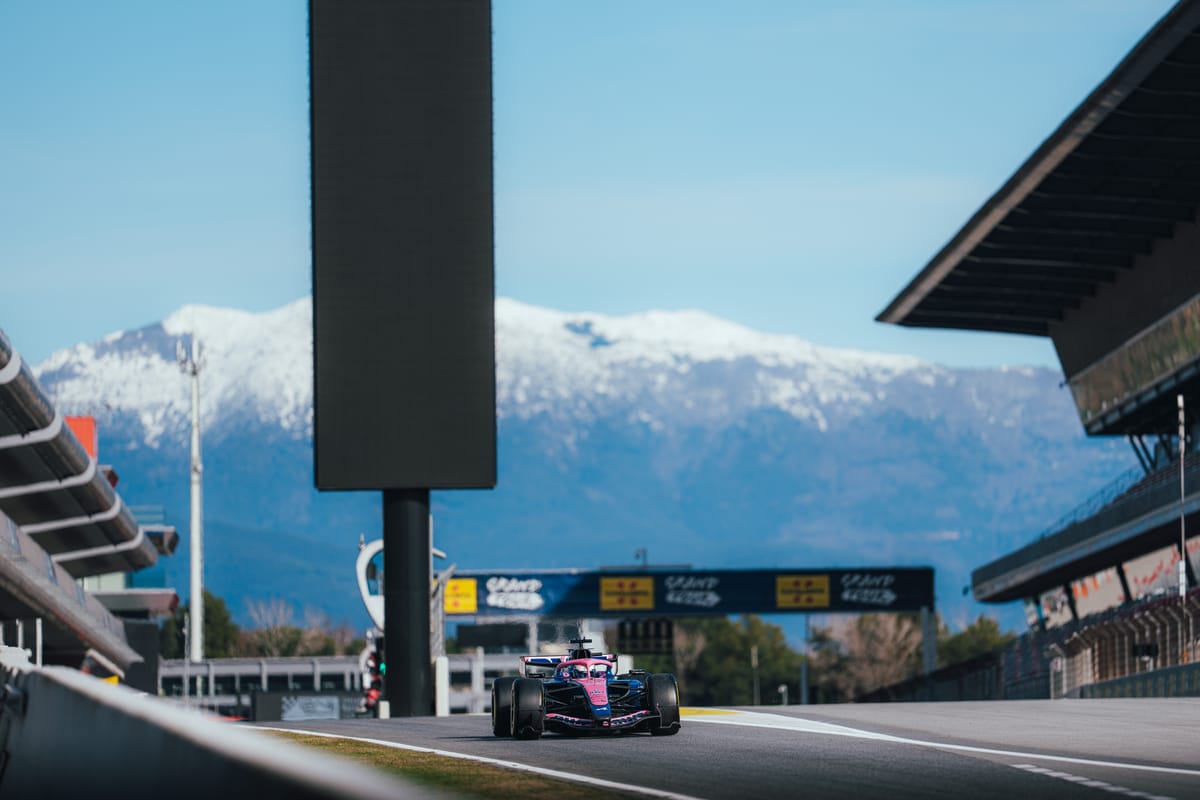
Barcelona and Spa to rotate on F1 calendar from 2027
The Circuit de Barcelona-Catalunya will alternate on the F1 calendar with Spa-Francorchamps from 2027 to 2032, securing the future of both classic tracks. The rotation deal, prompted by Zandvoort's impending exit, helps manage calendar growth and may open a slot for a new race in Thailand.
The Circuit de Barcelona-Catalunya has secured its future on the Formula 1 calendar through a new rotation deal with Spa-Francorchamps, ensuring both classic European circuits will host races over the next six years. Following the 2024 Spanish Grand Prix, Barcelona will drop off the schedule in 2026 before returning in 2028 to alternate with the Belgian Grand Prix.
Why it matters:
This agreement preserves two of F1's most historic and popular European venues amid a rapidly evolving calendar increasingly focused on new markets and street circuits. It represents a pragmatic solution for F1 to manage its expanding schedule while maintaining fan-favorite tracks, balancing heritage with commercial growth.
The details:
- The rotation schedule is set for six years, with Spa-Francorchamps hosting races in 2027, 2029, and 2031, and Barcelona-Catalunya taking the slot in 2028, 2030, and 2032.
- F1 CEO Stefano Domenicali cited Barcelona's consistently large crowds and significant recent investments in circuit facilities as key reasons for the new deal.
- The agreement was facilitated by the Dutch Grand Prix at Zandvoort announcing its final race will be in 2026, freeing up a calendar slot.
- This rotation also helps create a potential opening for a new Grand Prix, with Thailand emerging as a frontrunner to host its first F1 race, possibly from 2028.
The big picture:
The rotation model allows F1 to accommodate more events without permanently expanding the calendar beyond its current limits, addressing logistical and team workload concerns. It reflects a strategic shift where classic purpose-built circuits may increasingly share slots to make room for new events in growing markets, ensuring the sport's global expansion while respecting its European roots.
What's next:
Fans can expect to see the alternating schedule begin after the 2026 season. The focus now shifts to how both circuits will continue to enhance their events during their off-years to maintain relevance and fan engagement. Meanwhile, the confirmed opening in the calendar intensifies the competition among destinations like Thailand vying for a new Grand Prix slot.