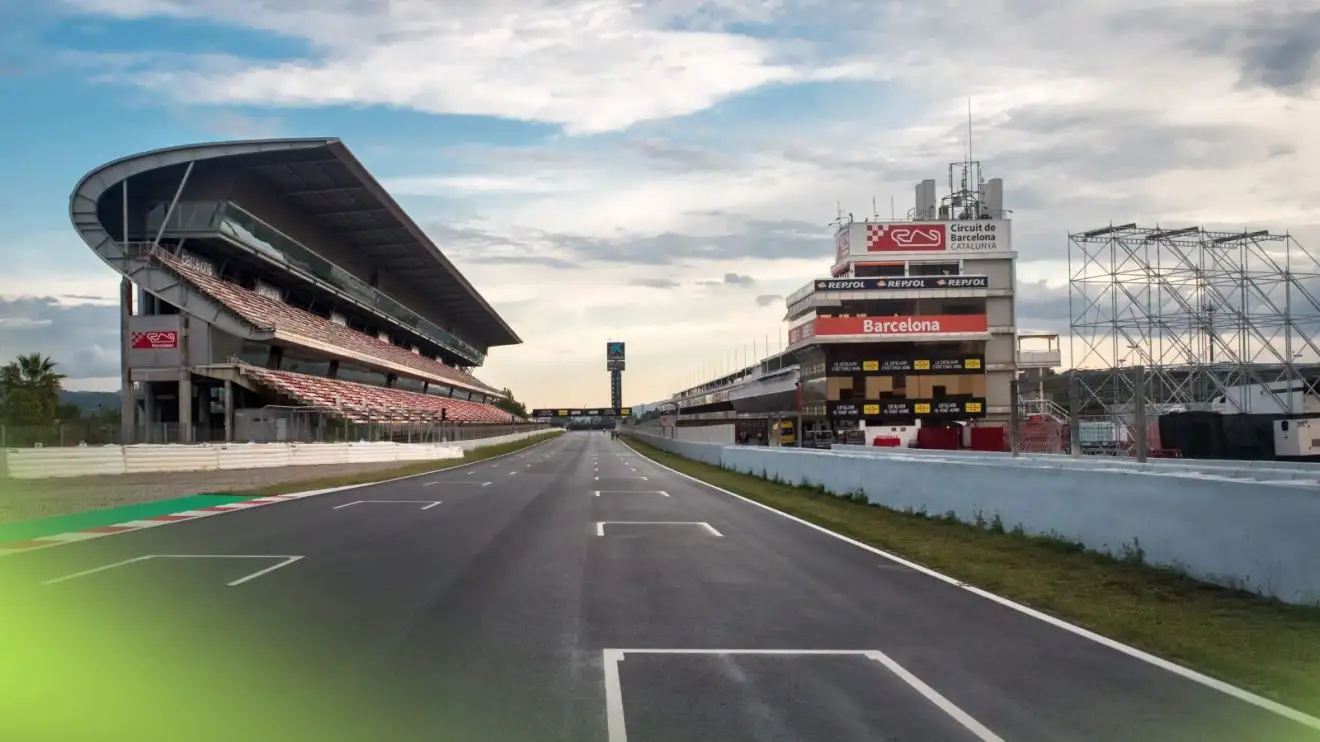
Barcelona-Catalunya and Spa to rotate on F1 calendar from 2028
Formula 1 has confirmed a new multi-year deal for the Circuit de Barcelona-Catalunya, which will see it rotate on the calendar with the Belgian Grand Prix at Spa-Francorchamps from 2028. This secures the future of both historic European venues amid calendar pressure.
The Circuit de Barcelona-Catalunya will remain on the Formula 1 calendar beyond 2026, but will alternate years with the Belgian Grand Prix at Spa-Francorchamps under a new multi-year agreement. The Spanish Grand Prix name moves to Madrid in 2026, with the Barcelona event to be rebranded the Barcelona-Catalunya Grand Prix.
Why it matters:
This rotation deal secures the future of two classic, fan-favorite European circuits amid intense pressure for calendar slots from new destinations. It represents a pragmatic compromise by F1 to preserve historic venues while accommodating commercial growth and new events, ensuring fans don't lose either track entirely.
The details:
- The new contract ensures races at Barcelona-Catalunya in 2028, 2030, and 2032.
- Spa-Francorchamps will host its final annual Grand Prix in 2027, then appear on the calendar in 2029 and 2031 under the rotation.
- The Circuit de Barcelona-Catalunya has undergone significant investment in recent years, including fan experience enhancements and city festivals tied to the race weekend.
- Formula 1 President Stefano Domenicali praised Barcelona's "incredible city" and passionate fans, highlighting the circuit's continued development efforts.
- Local officials estimate the Grand Prix generates over €300 million in economic impact per edition for Catalonia and serves as a key platform for international promotion.
The big picture:
The deal reflects the evolving dynamics of the F1 calendar, where the sport's soaring popularity has created fierce competition among venues. With the Spanish Grand Prix relocating to a new street circuit in Madrid, this arrangement allows F1 to maintain a presence in Barcelona's key market and retain Spa's iconic layout, both of which hold deep historical and sentimental value for teams and fans. The rotation model could become a template for managing other classic circuits facing commercial pressures.
What's next:
The focus now shifts to the execution of this rotation plan and how both circuits will innovate during their off-years to maintain relevance and facilities. Barcelona will host what is currently billed as its final annual Grand Prix in June 2024 before the transition begins. The long-term viability of this model may influence how F1 balances heritage with expansion in future calendar decisions.