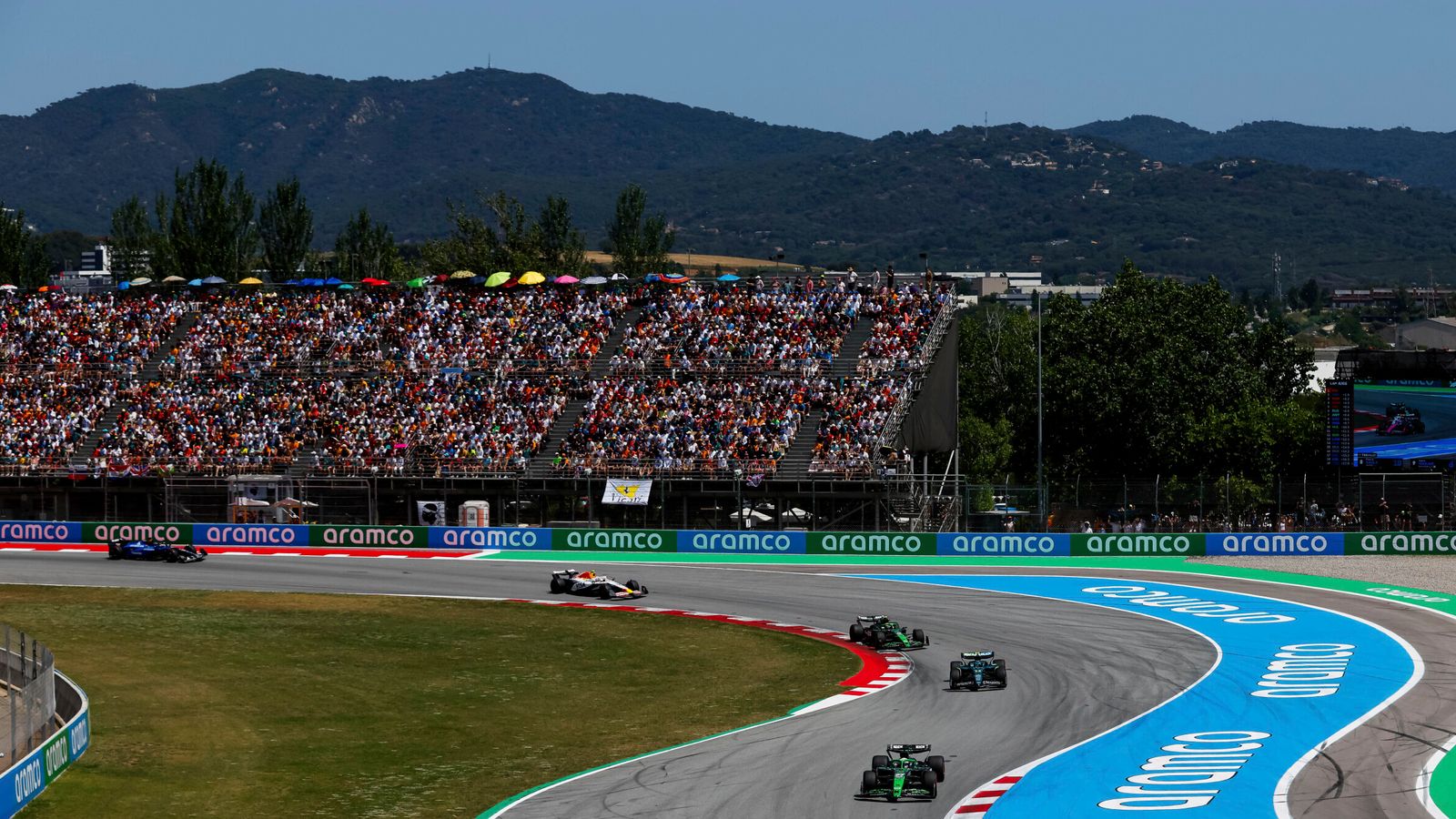
Barcelona-Catalunya GP to alternate with Belgian GP on F1 calendar until 2032
The Circuit de Barcelona-Catalunya will stay on the F1 calendar until 2032 by alternating annually with the Belgian Grand Prix at Spa. The venue, now renamed the Barcelona-Catalunya GP, secures its future despite the arrival of a permanent Madrid race from 2026, showcasing F1's rotational model for preserving classic tracks.
The Circuit de Barcelona-Catalunya will remain on the Formula 1 calendar through 2032, having secured a new deal to alternate yearly with the Belgian Grand Prix at Spa-Francorchamps. This arrangement preserves the historic Spanish circuit's place alongside the incoming Madrid street race, which will become the permanent Spanish Grand Prix from 2026.
Why it matters:
This rotational model allows Formula 1 to maintain two classic, fan-favorite European circuits—Barcelona and Spa—on an increasingly crowded and global calendar without expanding the total number of races. It represents a pragmatic compromise between commercial growth and heritage, ensuring these traditional venues remain part of the sport's fabric. For Barcelona specifically, it secures the circuit's future despite the arrival of a new, high-profile race in the nation's capital.
The details:
- The new agreement confirms Barcelona will host races in 2028, 2030, and 2032. Spa-Francorchamps, which had already been confirmed for 2027, 2029, and 2031, will host in the alternating years.
- The Barcelona event has been formally renamed the Barcelona-Catalunya Grand Prix, ceding the "Spanish Grand Prix" title to the new Madrid race, which holds a contract through 2035.
- Circuit investments played a key role in securing the extension. Formula 1 specifically cited the construction of a new rooftop hospitality space and the installation of solar panels throughout the facility as contributing factors.
- The 2026 Barcelona-Catalunya Grand Prix is scheduled for June 12-14, while the inaugural Madrid Grand Prix is set for September 11-13 of the same year.
The big picture:
The deal reflects F1's ongoing strategy of balancing new, glamorous destination events—like Madrid, Las Vegas, and Miami—with its historic European heartland. By implementing a rotation, the sport can accommodate commercial demands for new markets while mitigating fan and team concerns over losing classic tracks. This model could become a blueprint for other circuits facing similar pressures in the future.
What's next:
The immediate focus shifts to the track's continued evolution. Formula 1 President Stefano Domenicali highlighted recent fan festival initiatives and circuit investments, indicating an expectation for the venue to keep enhancing the overall experience for attendees and the city. The long-term success of this rotational system will be closely watched, potentially influencing how F1 manages other classic circuits whose contracts expire in the coming years.