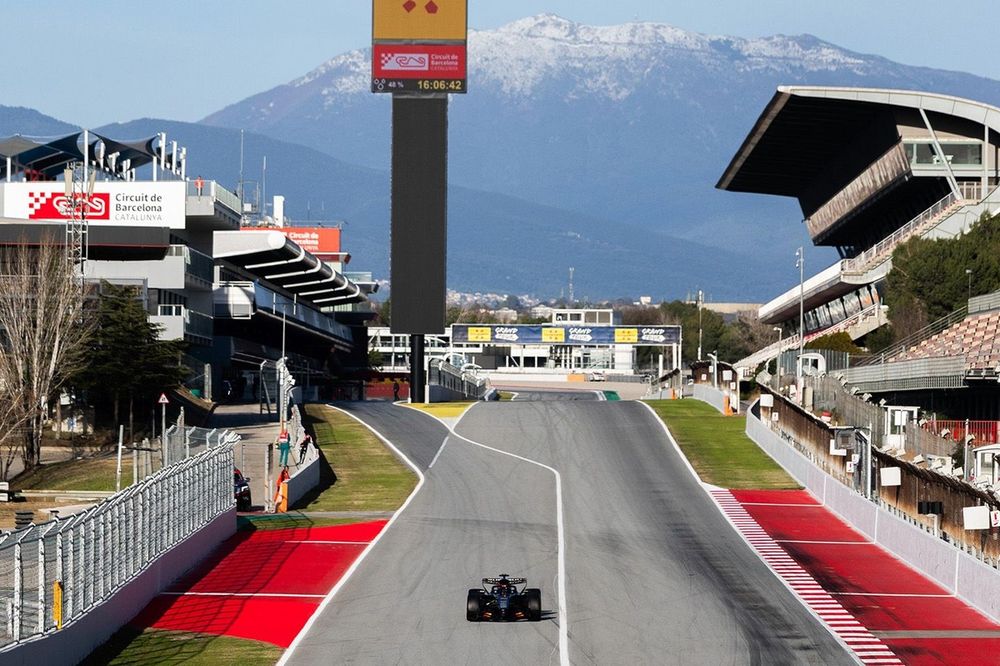
Barcelona-Catalunya Grand Prix secures new three-year F1 deal, will alternate with Spa-Francorchamps
The Circuit de Barcelona-Catalunya will remain on the F1 calendar for three of the next six years under a new deal that sees it rotate with the Belgian Grand Prix at Spa-Francorchamps, securing the future of both classic European tracks.
The Circuit de Barcelona-Catalunya has secured its future on the Formula 1 calendar with a new three-year deal, but it will now share a slot with the Belgian Grand Prix at Spa-Francorchamps in a rotational arrangement over the next six years. This agreement resolves the intense pressure on the Spanish venue, which had been in the final year of its contract and facing demands for significant facility upgrades, especially after losing the exclusive "Spanish Grand Prix" title to the new Madrid race starting this September.
Why it matters:
This deal represents a strategic compromise by Formula 1 to preserve two classic European circuits amid a crowded calendar and the commercial pressure to expand into new markets. By creating a rotation, F1 manages to keep historic venues with passionate fanbases while making room for new events, balancing heritage with growth. For Barcelona, it ensures the continued major economic impact and global visibility the race brings to Catalonia, estimated at over €300 million per event.
The details:
- The Rotation Schedule: Spa-Francorchamps will host the Grand Prix in 2027, 2029, and 2031. The Circuit de Barcelona-Catalunya will take the same calendar slot in 2028, 2030, and 2032.
- End of Annual Hopes for Spa: This arrangement effectively ends, for now, Belgian promoters' hopes of reinstating Spa as a permanent annual race. They had been pushing to turn their previous alternating role back into a full-time fixture.
- Investment Secured: The new contract follows commitments from both the City of Barcelona and the Catalan government to invest in the circuit's outdated facilities, a key requirement from Formula 1 for renewal.
- Economic Justification: Circuit CEO Pol Gibert highlighted the race's strategic value, stating it projects Catalonia "worldwide as a country capable of hosting top-level sporting competitions," beyond the direct €300 million economic impact.
The big picture:
This rotation is part of a broader F1 strategy to manage an expanding calendar, which is set to reach 24 races. Similar rotational models are being used elsewhere in Europe. Notably, the Dutch Grand Prix at Zandvoort is currently scheduled to end after 2026, with Portugal's Portimao circuit slated to return for 2027 and 2028. The Barcelona-Spa rotation leaves one remaining gap to fill on the 2027 calendar, with a potential return of the Turkish Grand Prix in Istanbul being a leading contender.
What's next:
The immediate focus for the Circuit de Barcelona-Catalunya is delivering a successful 2024 event in June, which will be the final race under its old contract. Stefano Domenicali, F1 CEO, praised recent fan festival investments and expressed anticipation for the upcoming race. Long-term, the venue must now execute its promised facility upgrades to meet modern F1 standards and ensure its three events in the coming years maximize the experience for fans and the city.