Barcelona pre‑season testing 2026: rain threatens to disrupt schedule
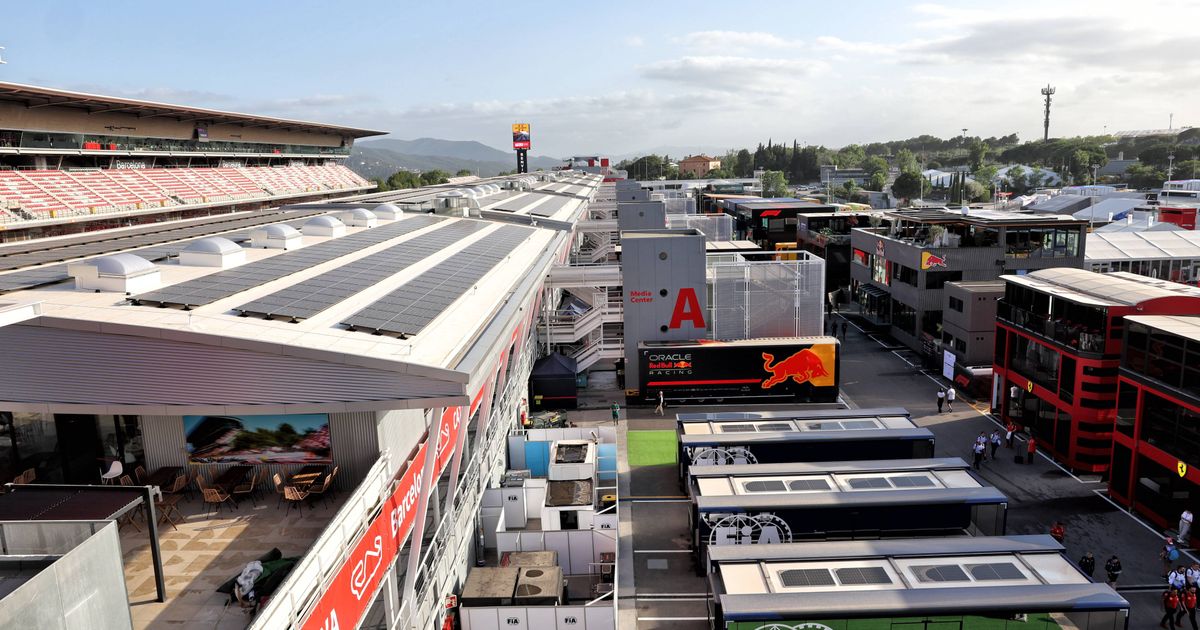
The 2026 F1 test begins Jan 26 at Barcelona's Circuit de Catalunya, but rain forecast for Tuesday could cut track time. McLaren will skip Monday, leaving Red Bull and Alpine to run in the dry.
Core summary The 2026 Formula 1 pre‑season test arrives at Barcelona’s Circuit de Catalunya on Jan 26, giving teams five days to shake down their new cars under the 2026 regulation package. A volatile weather outlook threatens to snip valuable running time, especially on Tuesday when heavy showers are forecast. With McLaren already sitting out Monday, the remaining squads must stretch limited dry sessions to gather data on power‑unit performance, aerodynamics and tyre behaviour.
Why it matters
The 2026 power‑unit rules put a premium on hybrid efficiency and a lower fuel allowance, so early data is essential for optimising engine mapping and cooling. A compressed testing window can widen the performance gap, rewarding teams that extract the most data while forcing others into a catch‑up mode. Weather‑related cancellations also tighten development timelines, pushing engineers to lean on simulation to fill any gaps.
The details
- Testing window – Jan 26‑30, five days allocated; teams can run on any three days of their choosing.
- Weather outlook – Monday is expected to be dry and sunny. The Met Office predicts a 30 % chance of rain in the Tuesday morning, rising to about 50 % by afternoon, with showers potentially lingering into Wednesday before clearer skies return on Thursday and Friday.
- Team schedules – Red Bull, Alpine and McLaren (Monday only) will be on track at the start. McLaren has deliberately skipped Monday, planning to maximise data on later, potentially wetter days. The rest of the grid (Ferrari, Mercedes, Aston Martin, etc.) have not confirmed specific days, but are likely to spread runs to mitigate weather risk.
- Impact on development – Wet conditions limit aerodynamic validation and tyre degradation studies, forcing teams to focus on power‑unit reliability checks. Dry sessions become critical for establishing baseline lap times and suspension setups.
- Strategic considerations – Teams may prioritise simulation work on rainy days, using the data from dry runs to calibrate models for the remainder of the pre‑season.
What's next
If Tuesday’s rain persists, Thursday‑Friday will become the de‑facto testing climax, with teams racing against the clock to lock in performance data. Drivers will push harder in the limited dry windows, while engineers will lean heavily on CFD and tyre‑model simulations to compensate for any lost track time. The outcomes of Barcelona will shape early‑season expectations, particularly for those banking on the 2026 regulation changes to close the gap to Red Bull.
Don't miss the next lap
Get the deep dives and technical analysis from the world of F1 delivered to your inbox twice a week.
Zero spam. Only high-octane analysis. Unsubscribe anytime.
Join the inner circle
Get the deep dives and technical analysis from the world of F1 delivered to your inbox twice a week.
Zero spam. Only high-octane analysis. Unsubscribe anytime.