Bearman: 2026 F1 complexity causing longer Haas fixes
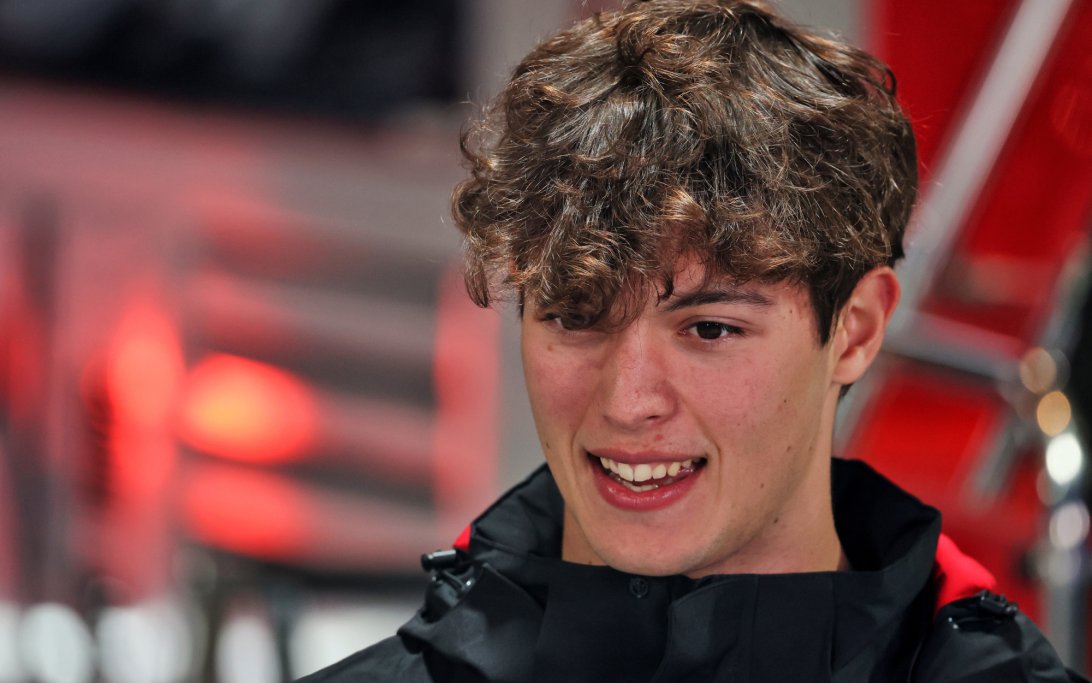
Oliver Bearman says a minor issue with Haas's 2026 car took far longer to fix than it would have previously, illustrating the increased complexity of F1's new power unit regulations. While praising the team's overall reliability in testing, he highlighted the steep learning curve all squads face with the more intricate systems.
Oliver Bearman revealed that a seemingly minor power unit issue during Haas's pre-season test took significantly longer to resolve than it would have in previous years, highlighting the increased intricacy of Formula 1's new 2026 technical regulations. The British rookie emphasized that such challenges are expected as teams learn the new systems, but praised Haas for an otherwise impressive and reliable start to testing.
Why it matters:
The 2026 season introduces the most significant power unit overhaul in a decade, removing the MGU-H and shifting to a 50/50 split between combustion and electrical energy. Bearman's experience underscores a critical, behind-the-scenes challenge of the new era: diagnostic and repair procedures are now more complex and time-consuming. This added intricacy could directly impact race weekend operations, where solving problems under tight time constraints is paramount.
The details:
- Bearman's running on the third day of testing in Barcelona was severely limited, managing only 21 laps in the morning session due to a power-unit related problem.
- He estimated that an identical issue on the 2025 car would have taken the team roughly 30 minutes to fix, a process that stretched to a "lot longer" with the new VF-26.
- The root cause is the fundamentally more complex 2026 power unit. With the removal of the MGU-H and the new energy split, systems are more interconnected, making fault isolation and correction a fresh challenge for engineers.
- Despite this setback, Bearman highlighted the team's overall reliability, pointing to Esteban Ocon's 154-lap marathon on the first day and a successful shakedown at Fiorano as major achievements.
What's next:
Bearman and Haas will continue their learning curve throughout the remaining pre-season tests. The incident serves as a practical lesson for the team in developing new diagnostic protocols and understanding the failure modes of the 2026 car. As Bearman noted, every lap is a learning experience, and drivers now have a greater potential impact on car development during this regulation cycle. How quickly Haas and other teams streamline their problem-solving for the new machinery will be a subtle but important factor in early-season performance.
Don't miss the next lap
Get the deep dives and technical analysis from the world of F1 delivered to your inbox twice a week.
Zero spam. Only high-octane analysis. Unsubscribe anytime.
Join the inner circle
Get the deep dives and technical analysis from the world of F1 delivered to your inbox twice a week.
Zero spam. Only high-octane analysis. Unsubscribe anytime.
Continue Reading
View More News