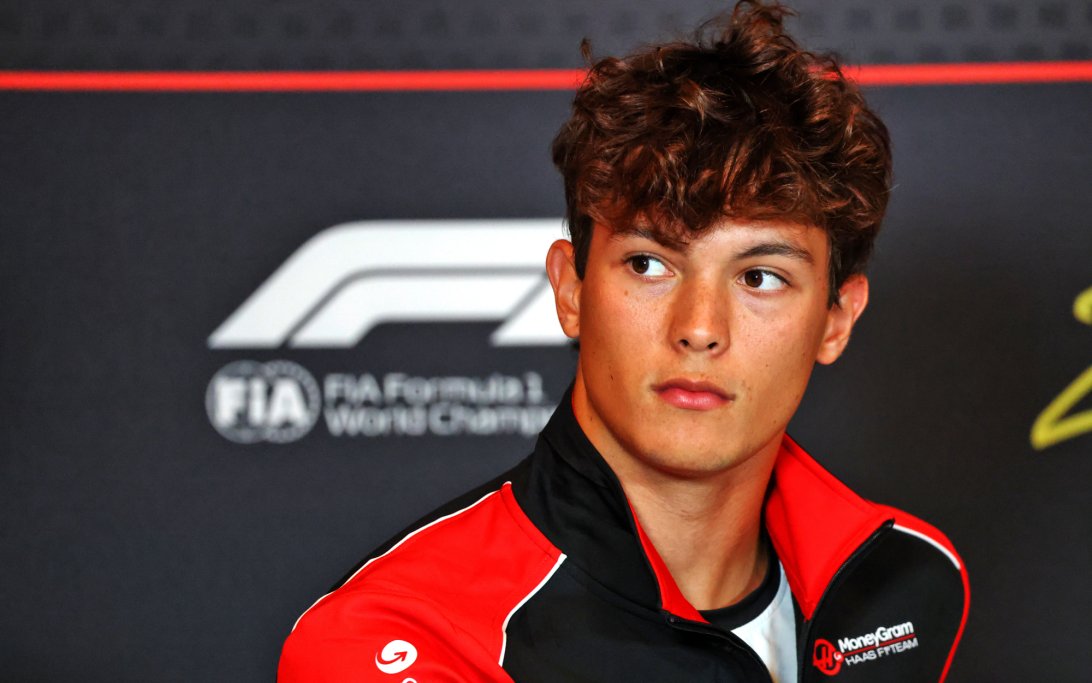
Bearman's 'sad' realization about F1's new power unit reality
Haas's Oliver Bearman reveals the stark challenge of F1's 2026 power units after testing, calling the intense energy management "annoying" and a "sad" realization, highlighting a major new skill drivers must master.
Haas driver Oliver Bearman has described the challenging reality of managing Formula 1's new 2026 power units after his first taste of the technology in Barcelona testing, labeling the intense energy management as "the most annoying thing" and a "sad" realization. While acknowledging the cars feel lighter and nimble, the increased reliance on electrical energy harvesting presents a significant new challenge for drivers on the grid.
Why it matters:
The 2026 power unit regulations represent the most significant technical shift in a generation, moving to a 50/50 split between the internal combustion engine and electrical battery power. How drivers adapt to managing this new energy reality will be a key performance differentiator, fundamentally changing race craft and car management from what the current grid is accustomed to.
The Details:
- Bearman completed 148 laps for Haas in Barcelona, providing the team with its first real data on the customer Ferrari power unit for the new era.
- The 2026 units feature three times the electrical energy of the 2025 specification, with battery output rising to 350kW from 120kW.
- Bearman identified the Circuit de Barcelona-Catalunya as a particularly challenging venue for the new rules, calling it "an energy-starved track with not many real braking zones," which makes harvesting the necessary energy difficult.
- He praised the car's feel, noting it is "a bit lighter" and "more nimble" while still retaining an "incredible amount of downforce," though he acknowledged it is a step back from the recent high-downforce era.
- The core challenge is the management of "clipping"—where the electrical energy depletes—and other energy-related tactics, which are now far more pronounced.
What's next:
The Barcelona test was just the first run with basic "launch car" specifications. Teams have a long development road ahead to find downforce and, more critically, to optimize the complex interplay between energy harvesting, deployment, and driver management. Bearman's candid feedback highlights that while the raw performance is impressive, mastering the new strategic layer of energy will be the defining task for drivers heading into the 2026 season.