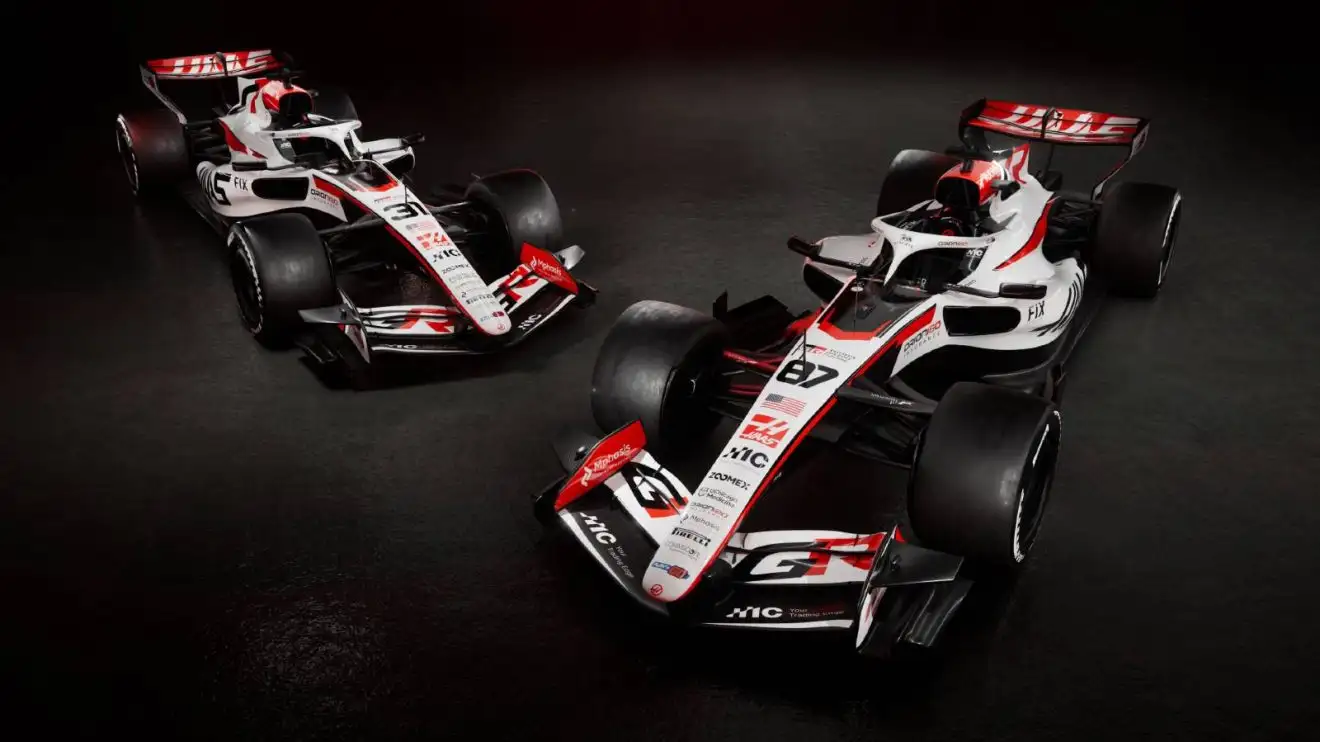
Bearman warns teams will make mistakes with 2026 regulations
Oliver Bearman warns that F1's massive 2026 regulation reset will inevitably lead to mistakes by some teams, hoping Haas avoids the pitfalls as the sport enters a new era of active aerodynamics.
Oliver Bearman has warned that the massive 2026 regulation reset will inevitably lead to mistakes by some teams, drawing parallels to the porpoising struggles that plagued the start of the ground-effect era. As Haas prepares for a pivotal season, the rookie driver hopes the team avoids early pitfalls while navigating the introduction of active aerodynamics and a new power unit formula.
Why it matters:
This regulatory overhaul represents the most significant change in Formula 1 history, shifting from ground effects to active aerodynamics with lighter, shorter cars. The stakes are incredibly high; a misinterpretation of the rules could cost teams dearly, potentially locking them into a non-competitive design for the entire season before the grid converges, much like Mercedes' early struggles in 2022.
The details:
- New Era: The 2026 cars feature movable front and rear wings and a 50-50 split between electrical and combustion power running on sustainable fuel.
- Risk Factor: Bearman noted that "there are going to be teams and people making mistakes," emphasizing that reliability will be a major factor in establishing the early pecking order.
- Driver Perspective: Entering his first major regulation change, Bearman admits the lack of knowledge is both exciting and "horrible," contrasting it with last year where the team's baseline was clearer.
- Testing Schedule: Haas heads to Barcelona for a private five-day test starting January 26, followed by official pre-season testing in Bahrain on February 11-13 and 18-20.
What's next:
Bearman expressed a desire to "skip forward six months" to see the results but remains committed to pushing Haas up the grid. With the true competitive order unlikely to be revealed until qualifying in Australia, the team is focused on ensuring reliability and maximizing track time during the upcoming tests in Spain and Bahrain.
Don't miss the next lap
Get the deep dives and technical analysis from the world of F1 delivered to your inbox twice a week.
Zero spam. Only high-octane analysis. Unsubscribe anytime.
Join the inner circle
Get the deep dives and technical analysis from the world of F1 delivered to your inbox twice a week.
Zero spam. Only high-octane analysis. Unsubscribe anytime.
Continue Reading
View More News