Binotto: Drivers Warming Up to 2026 F1 Rule Changes
Audi F1 chief Mattia Binotto indicates that drivers are beginning to enjoy the upcoming 2026 regulation changes, a major shift towards new chassis and power units with increased electric energy. Despite initial criticisms from drivers like Charles Leclerc, Binotto, backed by Williams' James Vowles, believes evolving virtual models and performance gains are improving the driving experience, promising an exciting future for F1.
Audi Formula 1 chief Mattia Binotto reports that drivers are beginning to embrace the significant 2026 regulation changes, expressing confidence that the new cars will deliver an exciting show. This comes amidst initial driver skepticism about the radical shift towards a new chassis and a power unit with a near 50-50 electric to internal combustion engine split.
Why it matters:
The 2026 regulations represent one of the most substantial overhauls in F1 history, fundamentally altering car design and driver approach. Initial concerns from drivers like Charles Leclerc highlighted potential enjoyment issues, but Binotto's positive update suggests that as virtual models mature, teams are finding performance, and the driving experience is improving. This shift is crucial for maintaining driver engagement and ensuring competitive, entertaining racing in the new era.
The Details:
- The 2026 regulations introduce the biggest changes in at least 30 years, focusing on a new chassis and a power unit with a significant emphasis on electric energy.
- This radical change requires teams to operate and drivers to pilot the cars in entirely new ways.
- Initial Driver Criticism: Early feedback from drivers, including Ferrari's Charles Leclerc, indicated that the new generation of cars might be less enjoyable to drive.
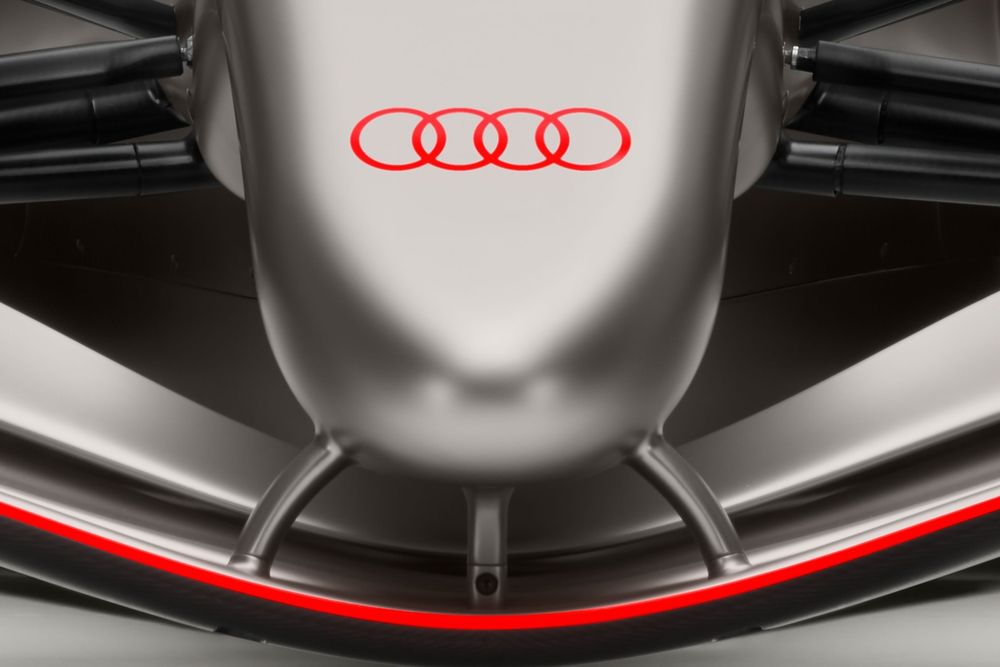
- Evolving Driver Sentiment: Mattia Binotto, speaking at Audi's 2026 visual identity unveiling, stated that as virtual models mature and performance is found, his drivers (Nico Hulkenberg and Gabriel Bortoleto) are "starting to enjoy" the new experience.
- FIA's Role: Binotto believes the new cars will enhance racing and is confident the FIA will adapt sporting regulations, such as hybrid deployment parameters, if needed to ensure a compelling spectacle.
- Industry Consensus: Binotto's comments align with those of Williams chief James Vowles, who noted a similar progression in driver adaptation: initial difficulty, then complaints, and finally acceptance as the norm.
The big picture:
The move to fully sustainable fuels and a relevant road-car technology base underscores F1's commitment to future-proofing the sport. While initial discontinuities and performance gaps are anticipated due to such massive changes, Binotto expects a rapid catch-up among teams. The underlying goal remains improved racing and a more sustainable, technologically advanced championship, with the FIA ready to fine-tune rules to maintain a high-quality show.
What's next:
As teams continue to develop their 2026 concepts, further simulator data and feedback will emerge, refining our understanding of how the new regulations will impact F1. The FIA's willingness to adapt rules ensures flexibility, promising that the series will strive for an engaging and competitive future, even if initial adjustments are necessary.