Brown dismisses 2026 engine compression ratio controversy as 'typical F1 politics'
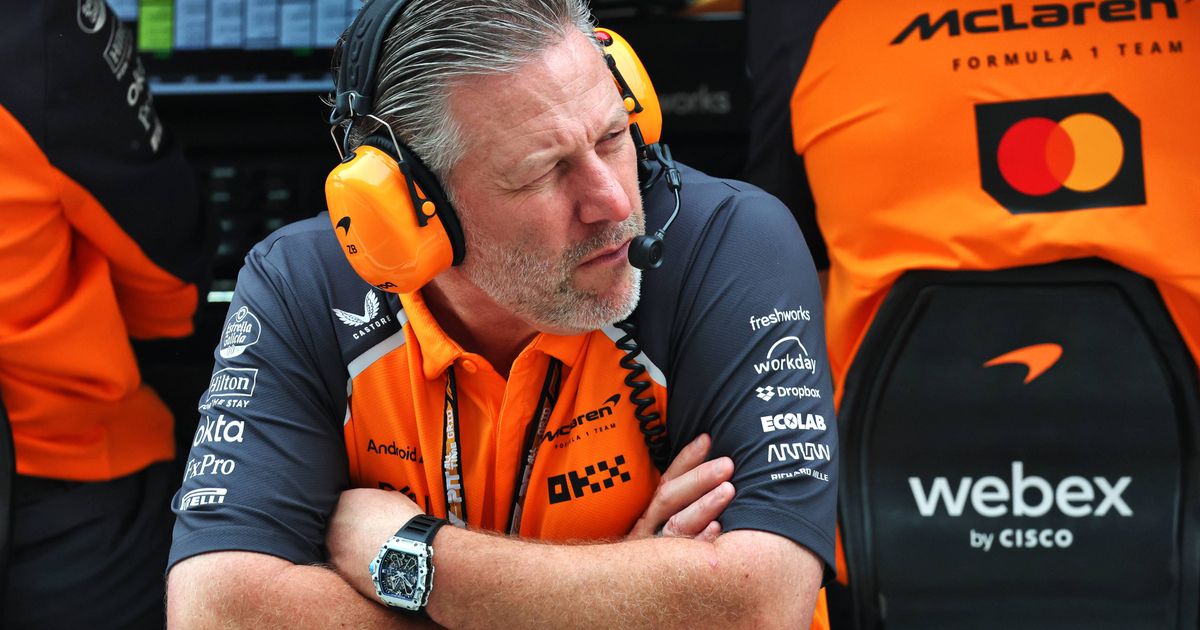
McLaren CEO Zak Brown has brushed off the brewing storm over Mercedes' 2026 engine design, calling it "typical F1 politics." He insists the power unit is fully compliant with the new compression ratio rules and downplays both its performance advantage and wild rumors that Mercedes-powered cars could be excluded from the season opener in Australia.
McLaren CEO Zak Brown has dismissed the growing technical controversy surrounding Mercedes' 2026 power unit and compression ratio regulations as the "typical politics of Formula 1," downplaying both the alleged performance advantage and sensational rumors of exclusion from the season opener.
Why it matters:
The debate strikes at the core of F1's identity, where finding technical loopholes within the written rules is a celebrated tradition. How the FIA manages this pre-emptive political battle over the 2026 regulations could set a precedent for the new era, balancing innovation against the need for a level playing field before a single car has even hit the track.
The details:
- The controversy centers on the 2026 engine regulation that lowers the maximum compression ratio to 16:1 from the current 18:1, with compliance checked at ambient temperatures in parc fermé.
- Rivals allege Mercedes may have found a loophole using materials that expand under race heat, potentially allowing the engine to run closer to an effective 18:1 ratio on track without failing the static test.
- Brown firmly defended the process, stating the Mercedes engine is "totally compliant within the rules" and has passed all its tests, comparing the situation to historical innovations like double diffusers.
- He directly countered rivals' concerns, stating, "I don’t believe there’s a significant advantage as being represented by the competition," attributing the noise to strategic lobbying.
Between the lines:
The public political maneuvering is a strategic play to pressure the FIA into action before the 2026 season. Rival teams are reportedly lobbying for changes, such as real-time sensors or tests under simulated race conditions, knowing that altering the rules now requires unanimous manufacturer agreement—a high bar that makes public pressure a key tactic.
What's next:
Expect the political wrangling to continue behind the scenes, but a dramatic showdown in Australia appears unlikely.
- Brown confidently dismissed rumors that Mercedes-powered teams (including McLaren) could miss the Australian Grand Prix, calling the idea implausible paddock fiction.
- The path to a mid-regulation rule change is extremely difficult, requiring consensus among all power unit manufacturers alongside FIA and F1 approval, making immediate changes improbable.
- The focus now shifts to whether the FIA can devise a new test method that satisfies competitors without unfairly penalizing Mercedes' interpretation of the existing rules.
Don't miss the next lap
Get the deep dives and technical analysis from the world of F1 delivered to your inbox twice a week.
Zero spam. Only high-octane analysis. Unsubscribe anytime.
Join the inner circle
Get the deep dives and technical analysis from the world of F1 delivered to your inbox twice a week.
Zero spam. Only high-octane analysis. Unsubscribe anytime.
Continue Reading
View More News