Brundle warns 2026 F1 cars may sacrifice raw racing for tech
Martin Brundle warns that the 2026 F1 cars' intense focus on energy management could reduce 'raw' racing, shifting the spectacle from visible bravery to invisible strategic calculations. He calls for better data transparency to help fans understand the new tech-driven battles.
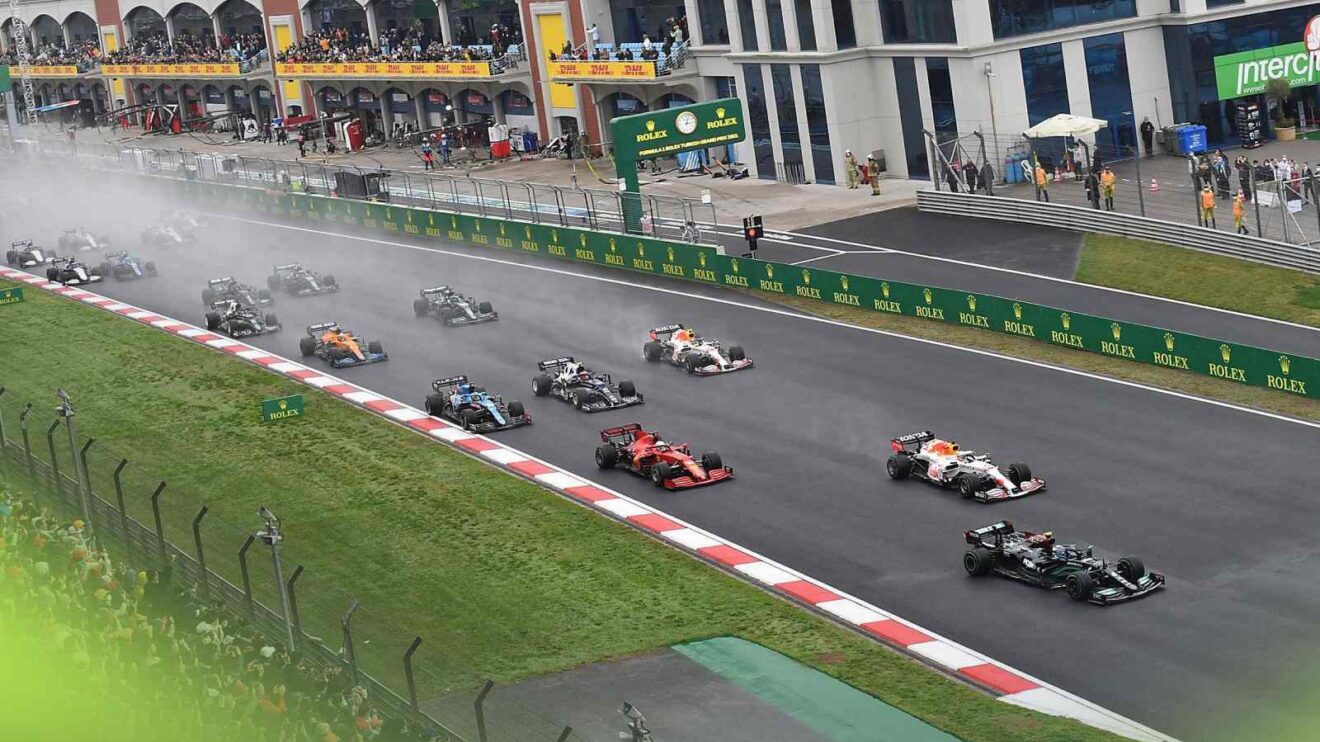
Sky F1 pundit Martin Brundle fears the 2026 generation of Formula 1 cars, with their heavy focus on energy management, could diminish the 'raw, elbows-out' racing that has long defined the sport's core appeal. His comments come after observing early testing, where the complex interplay between harvesting and deploying electrical power appeared to demand significant driver focus away from pure combat.
Why it matters:
Brundle’s perspective highlights a potential philosophical shift in F1, where technological sophistication and strategic energy management could overshadow the instinctive, wheel-to-wheel duels that fans cherish. As the sport accelerates toward a more electrified future, balancing innovation with the preservation of visceral racing spectacle becomes a critical challenge for its long-term appeal.
The details:
- Brundle observed that drivers may need to dedicate considerable mental bandwidth to monitoring battery deployment, turning races into strategic energy exercises alongside pure driving skill.
- He described the shift as inevitable, comparing it to the introduction of KERS in 2009, stating "the toothpaste is long out of the tube on that one."
- The former driver believes ultimate talent will still shine, suggesting legends like Senna and Schumacher would have mastered these new tools, but the canvas for their expression is changing.
- A key concern is the spectacle for fans: drama may become hidden within software and battery percentages rather than visible in bold overtaking moves.
- Brundle emphasized the need for broadcasters to have accurate, real-time battery data to explain the strategic battles and overtakes that occur due to energy management, not just braking prowess.
What's next:
Brundle concedes this evolution is a one-way street, indicating a return to a less technologically governed form of racing is unlikely. The onus will fall on teams, the FIA, and broadcasters to ensure the strategic complexity of energy management is communicated effectively, allowing fans to appreciate the new form of duel—where calculated energy surges could replace late-braking lunges as the primary overtaking tool.
Don't miss the next lap
Get the deep dives and technical analysis from the world of F1 delivered to your inbox twice a week.
Zero spam. Only high-octane analysis. Unsubscribe anytime.
Join the inner circle
Get the deep dives and technical analysis from the world of F1 delivered to your inbox twice a week.
Zero spam. Only high-octane analysis. Unsubscribe anytime.
Continue Reading
View More News