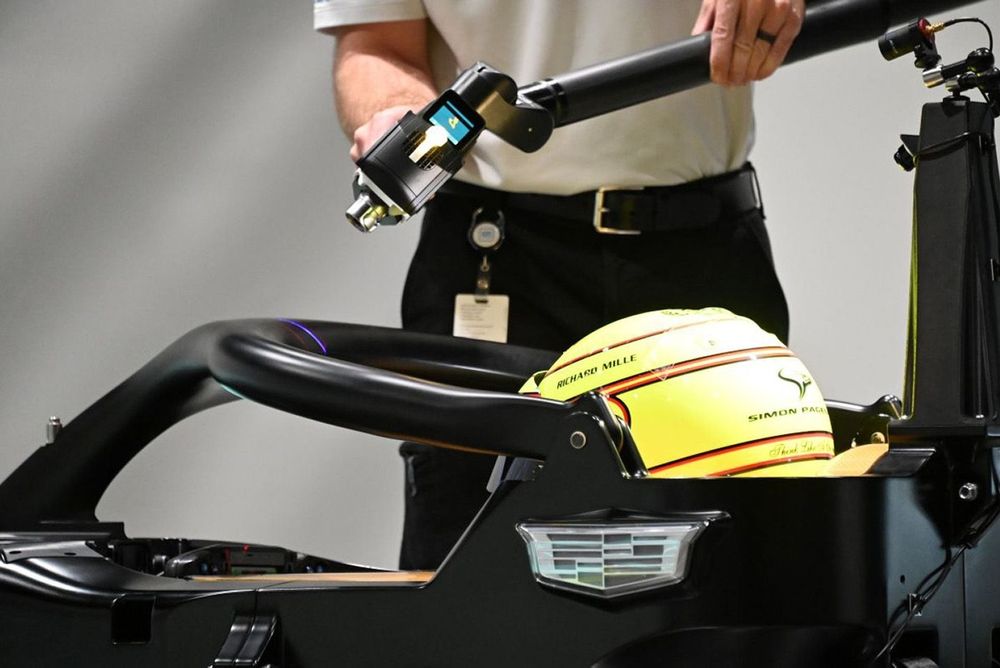
Cadillac Targets January for Maiden F1 Car Shakedown Ahead of 2026 Debut
Cadillac aims for a January 2026 shakedown of its first Formula 1 car, targeting an engine fire-up before Christmas. Team principal Graeme Lowdon highlighted the intense challenge of meeting deadlines for their 2026 debut, coinciding with major technical rule changes. Despite the hurdles, Lowdon sees the new regulations as an opportunity, potentially leveling the playing field for their entry.
Cadillac's ambitious Formula 1 project is on track, with team principal Graeme Lowdon announcing the team aims for its first car to hit the track in January 2026, ahead of the official pre-season tests in Barcelona. This timeline is critical as the team navigates significant technical regulation changes for its debut season.
Why it matters:
Cadillac's entry, initially conceived as Andretti, marks a significant expansion for Formula 1 and a major challenge for the new team. Launching amidst a comprehensive technical overhaul in 2026 means they face a steep learning curve against established teams while simultaneously building their entire operation from scratch. Their ability to meet these aggressive deadlines will dictate their competitiveness.
The Details:
- Engine Fire-up Imminent: The Ferrari-powered car is scheduled for its initial engine fire-up in less than 50 days, specifically before Christmas, according to Graeme Lowdon, the team principal.
- January Shakedown: Cadillac plans to conduct the car's first track test, likely a promotional event shakedown, in January. This allows them to cover up to 200km with the new machinery.
- Barcelona Pre-season Test: Following the shakedown, the team intends to participate in the Barcelona pre-season test, scheduled from January 26-30.
- Tight Deadlines: Lowdon acknowledged the immense challenge of meeting all deadlines, with the team's preparations underway at both its U.S. and U.K. bases. The immutable deadline for the first race in Melbourne in March 2026 adds pressure.
- Building from Scratch: The project involves not only designing and manufacturing the car but also hiring personnel and establishing factories, all within a compressed timeframe since their entry was confirmed in March 2025.
- Regulation Changes: A Double-Edged Sword: Lowdon sees both pros and cons to entering F1 during a major technical regulation change.
- Disadvantage: Without stable rules, there's no clear reference point for competitiveness, as no one knows who will be fast in 2026.
- Advantage: The major regulation change presents a new challenge for all teams, leveling the playing field to some extent, as everyone starts from a relatively unknown position.
- Experience vs. Cohesion: The team boasts thousands of combined years of F1 experience among its staff, but less than a year working together as a cohesive unit. Making the team operate smoothly is identified as the immediate challenge.
What's next:
Cadillac's immediate focus is on ensuring the smooth operation of its newly assembled team and rapidly improving performance once they hit the track. The 2026 regulation changes, while challenging, offer a unique opportunity for the new entrant to make an impact. If they can effectively leverage the collective experience within the team and quickly adapt to the new technical landscape, Cadillac could emerge as a surprising contender in the coming years.