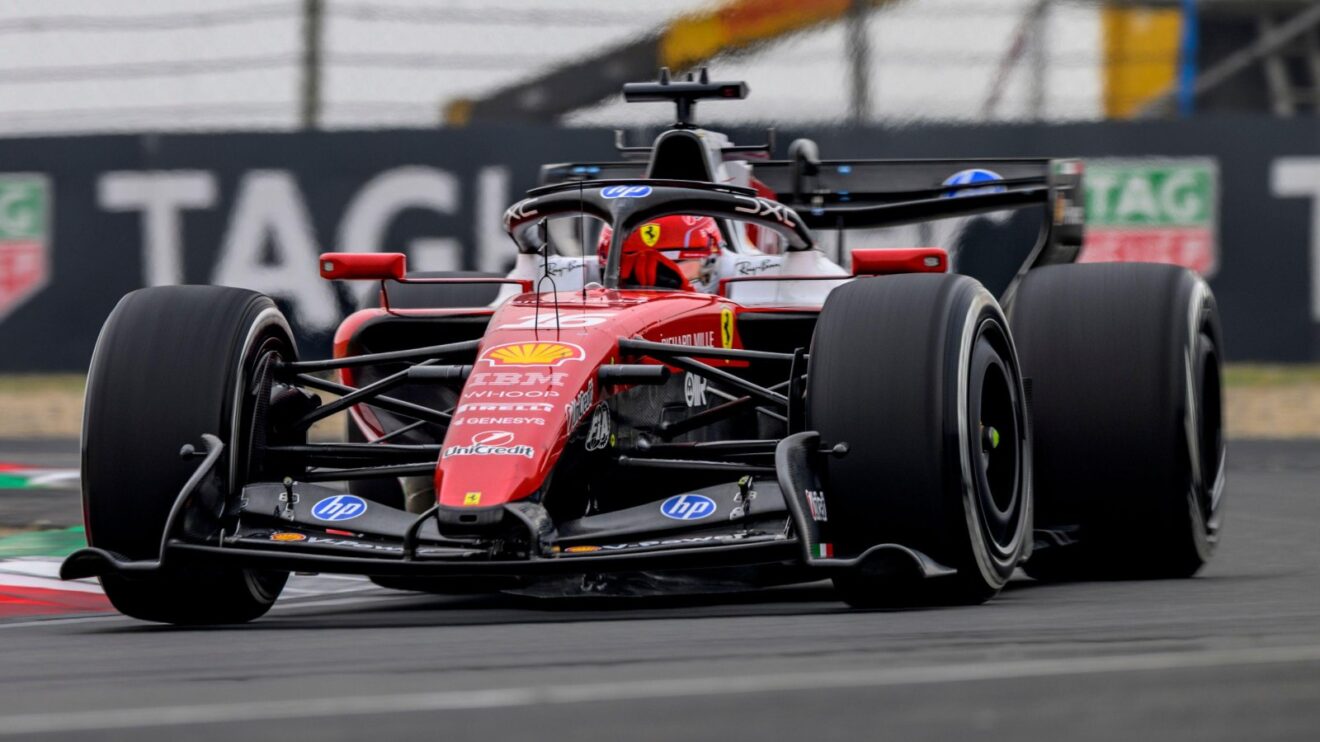
Charles Leclerc on F1's 'Artificial' Overtaking Debate
Ferrari's Charles Leclerc pushes back against claims that F1's 2026 overtaking feels artificial, arguing drivers are learning to manage the new energy systems for more natural battles. He cites his China duel with Lewis Hamilton as proof, but acknowledges major issues with the qualifying format and warns, alongside Carlos Sainz, of bigger problems on certain track layouts.
Charles Leclerc believes overtaking in Formula 1's new era is becoming more natural as drivers learn to better manage the powerful 2026 energy recovery systems, countering criticism that battles have felt 'artificial'. The Ferrari driver pointed to his intense duel with teammate Lewis Hamilton in China as evidence of genuine racing, though he and others acknowledge significant challenges remain, particularly in qualifying and on certain circuits.
Why it matters:
The 2026 technical regulations, with their heavier reliance on electrical energy deployment, were designed to promote closer racing. How drivers and teams adapt to this new paradigm directly impacts the spectacle and credibility of the sport. Leclerc's insider perspective suggests a learning curve is smoothing out initial awkwardness, but contrasting views from other drivers highlight ongoing teething problems that could define the early years of this regulation cycle.
The Details:
- Leclerc argues the sensation from the cockpit is not artificial, stating drivers are "converging" on optimal battery management strategies, which leads to more predictable and interesting overtaking opportunities.
- He acknowledges isolated moments can feel contrived, specifically when a driver makes a major error and completely drains their battery, creating a massive temporary speed deficit.
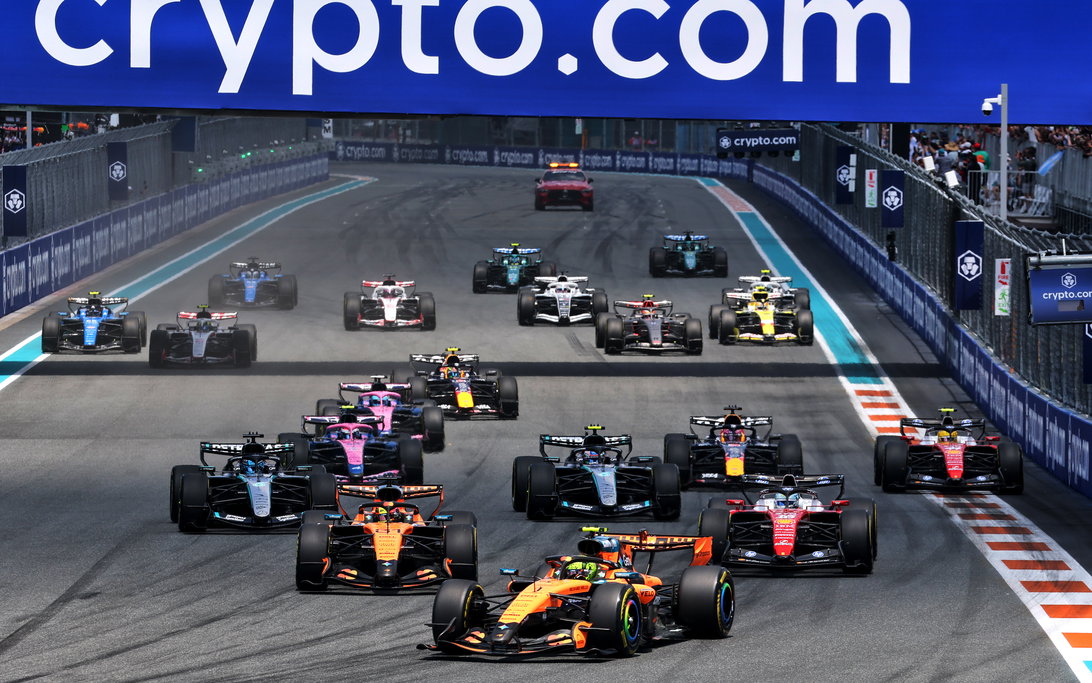
- The Chinese Grand Prix provided a positive case study, with the lighter, more agile 2026 cars enabling thrilling wheel-to-wheel battles, exemplified by the Leclerc-Hamilton fight.
- The Qualifying Problem: Leclerc identified a separate, critical issue, stating the current format lacks something to make it "a little bit more Formula 1 like" and requires focused work to find a solution.
- Circuit Disparity: Carlos Sainz offered a crucial counterpoint, warning that China's energy-rich layout flatters the cars. He predicts much bigger problems at high-power, low-downforce tracks like Melbourne, Monza, and Spa, where the new power unit characteristics could be exposed.
What's Next:
The 2026 season is set to be a laboratory for these new regulations, with performance and spectacle varying wildly from circuit to circuit.
- Development will play a key role as teams refine their energy management software and drivers continue to hone their strategies in real-time.
- The FIA and FOM are under pressure to "sell" the product, as Sainz noted, but are likely aware of the fundamental criticisms. This could lead to mid-cycle tweaks or a focus on qualifying format adjustments, as highlighted by Leclerc.
- The true test will come at the upcoming races on more traditional and power-sensitive tracks, which will determine if the 'artificial' label sticks or if the drivers' converging understanding can deliver consistently compelling racing.
Don't miss the next lap
Get the deep dives and technical analysis from the world of F1 delivered to your inbox twice a week.
Zero spam. Only high-octane analysis. Unsubscribe anytime.
Join the inner circle
Get the deep dives and technical analysis from the world of F1 delivered to your inbox twice a week.
Zero spam. Only high-octane analysis. Unsubscribe anytime.
Continue Reading
View More News