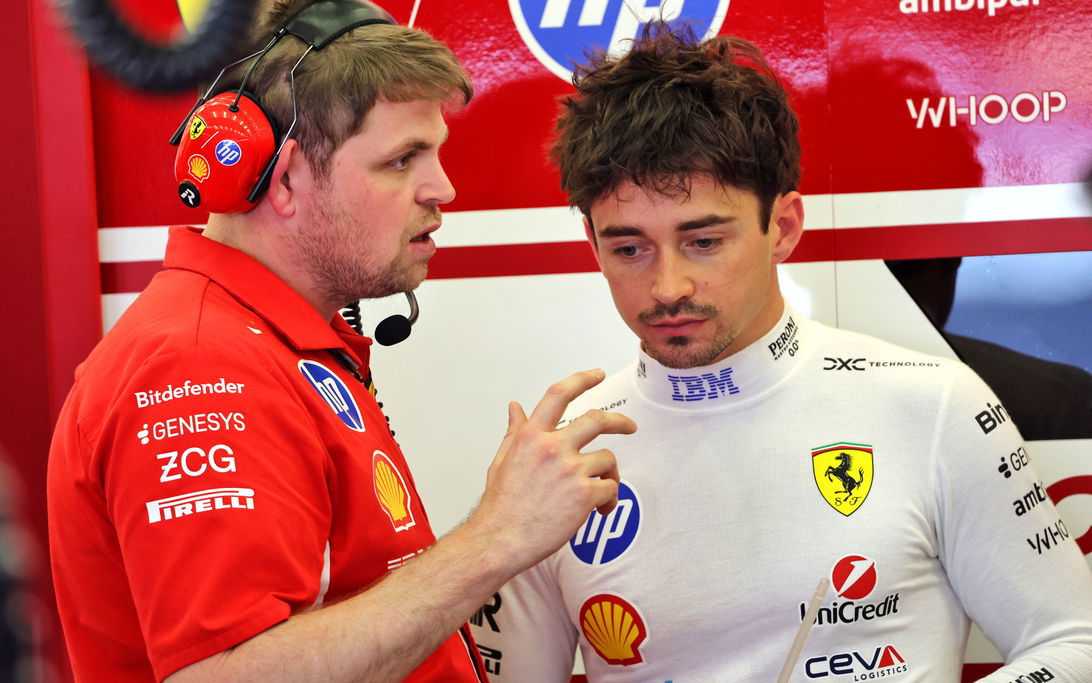
Charles Leclerc on the 'Extreme' Driving Potential of 2026 F1 Cars
Ferrari's Charles Leclerc reveals the 2026 F1 cars are "more alive" and allow for "extreme" driving styles due to increased oversteer from significant weight reduction. He explains that drivers now spend less time purely driving and more time actively managing complex car systems, marking a fundamental shift in the driver's role.
Charles Leclerc says the lighter, more responsive 2026 Formula 1 cars are "more alive" and allow drivers to explore "extreme" possibilities with their driving style. The Ferrari driver highlighted a significant shift from the understeer-prone 2025 cars to a new machine with a snappy rear end that encourages oversteer, fundamentally changing the driver's approach behind the wheel.
Why it matters:
The 2026 technical regulations represent the most significant chassis and aerodynamic overhaul in recent years, aimed at creating closer racing. How drivers adapt to these radically different cars—which demand more mental focus on managing systems while offering new mechanical limits to explore—will be a key factor in the competitive order. Leclerc's insights reveal that raw driving talent and adaptability may play an even larger role in the new era.
The Details:
- The 2026 cars are approximately 30kg lighter than their predecessors, featuring a narrower and shorter chassis. This reduction in mass makes the car feel "more alive" and nimbler in responding to driver inputs.
- A major handling characteristic has flipped: the 2025-spec cars were prone to understeer (where the front loses grip first), while the new cars generate more oversteer (where the rear steps out).
- Leclerc, who has always preferred an oversteering car, believes this allows drivers to be more extreme with their style to find lap time, calling the rear end "very snappy."
- The driver's role is evolving. Leclerc notes that the "percentage of driving is actually less" now, replaced by a greater need to actively manage and maximize the numerous complex systems within the car during a lap.
- This shift requires a different kind of mental workload, moving from pure instinctive reaction to more continuous, active problem-solving while at the limit.
What's next:
The early feedback from drivers like Leclerc provides a crucial first glimpse into the on-track reality of the 2026 regulations. As teams continue to develop their cars throughout the season, mastering this new balance between system management and exploiting the car's "extreme" mechanical grip will define the early pecking order. Drivers who can adapt their natural style to this heightened cognitive demand while pushing the new limits of oversteer could gain a substantial early advantage.
Don't miss the next lap
Get the deep dives and technical analysis from the world of F1 delivered to your inbox twice a week.
Zero spam. Only high-octane analysis. Unsubscribe anytime.
Join the inner circle
Get the deep dives and technical analysis from the world of F1 delivered to your inbox twice a week.
Zero spam. Only high-octane analysis. Unsubscribe anytime.
Continue Reading
View More News