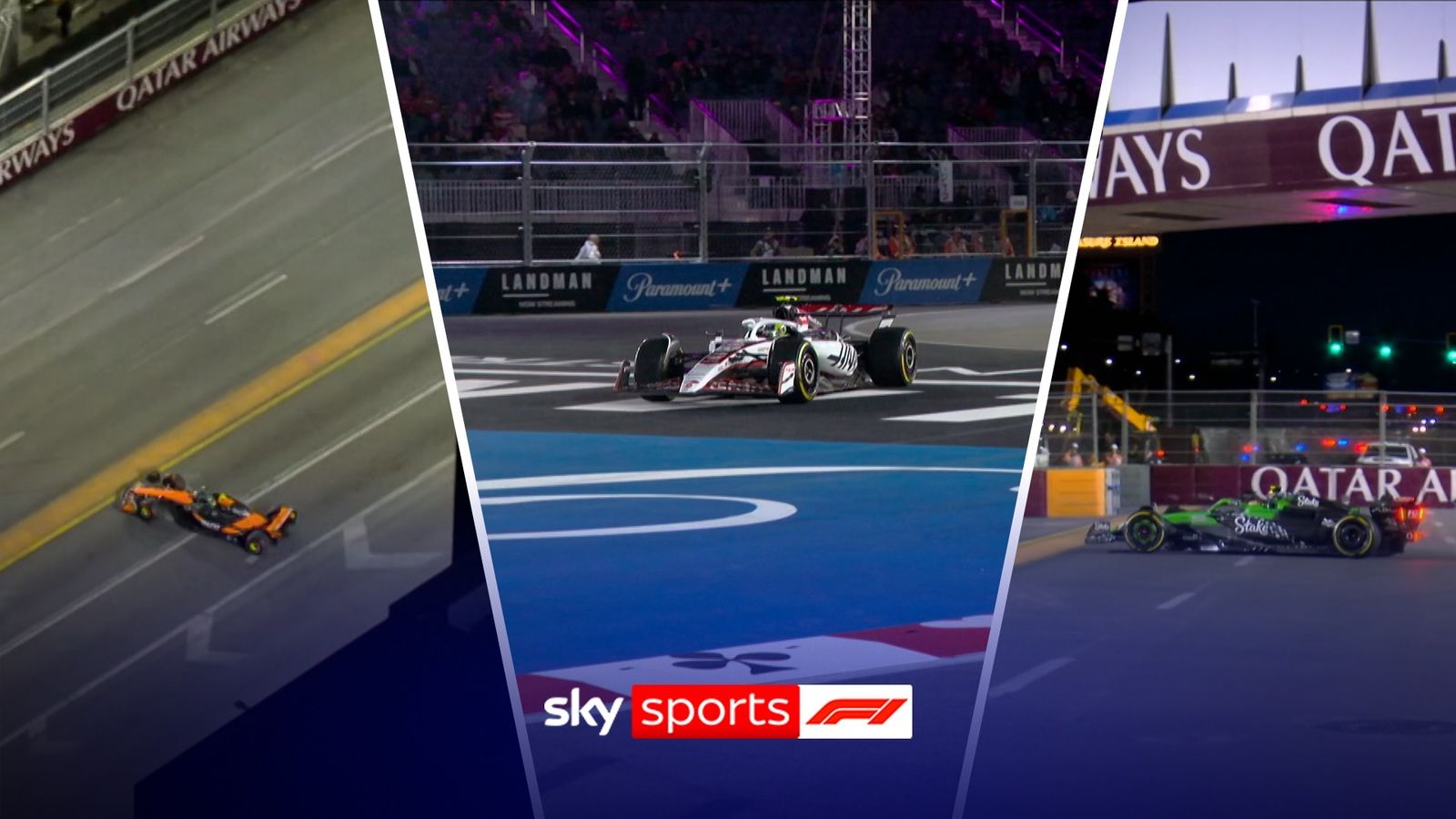
Commentator's Curse? Hamilton & Norris Forced Onto Escape Road in Practice
Lewis Hamilton and Lando Norris, along with several other drivers, were forced to use the escape road during opening practice. This early session sees drivers pushing the limits to understand the track and car setup, with such excursions being a natural part of finding the edge, though teams will analyze data to prevent similar incidents in later, more critical sessions.
Several drivers, including Lewis Hamilton and Lando Norris, found themselves taking an unplanned detour onto the escape road during the opening practice session. This common sight in early sessions often signals drivers pushing the limits of their cars and the circuit.
Why it matters:
Early practice sessions are crucial for drivers to explore the track's limits, test their car's setup, and understand tire behavior. Excursions onto the escape road, while not ideal, are a natural part of this process as they push the boundaries to find crucial tenths of a second. However, frequent mistakes can disrupt data collection and confidence.
The details:
- Lewis Hamilton (Mercedes): The seven-time world champion was seen heading wide at a corner, requiring him to use the run-off area. This suggests he was either pushing hard or grappling with the car's balance early in the session. Mercedes will be keen to understand if this was a one-off error or indicative of a deeper setup issue they need to address.
- Lando Norris (McLaren): Norris also had an off-track moment, highlighting the tricky conditions or aggressive driving from the young Brit. McLaren has shown strong form recently, and they will want to ensure such incidents don't hinder their progress in perfecting the car's setup for qualifying and the race.
- Multiple Incidents: The fact that several drivers encountered the escape road indicates either a particularly challenging section of the track, cold tires, or a general willingness across the grid to explore the very edge of performance from the outset.
The big picture:
First practice (FP1) is often a feeling-out process. Drivers are getting acquainted with the circuit, especially if there have been changes or if it's a track they haven't driven in a while. Teams use this session to gather initial data, check systems, and begin optimizing their car's setup. Minor mistakes like going onto the escape road are not uncommon as drivers push the envelope to find the maximum grip and optimal braking points. The key is to learn from these moments and avoid repeating them in critical sessions like qualifying and the race.
What's next:
Teams will analyze the telemetry data from these incidents to understand why drivers went wide. They'll adjust car setups and provide feedback to drivers to minimize such occurrences in subsequent sessions. For Hamilton and Norris, it's about brushing it off and focusing on finding a rhythm and confidence for FP2, where teams typically start their long-run simulations and more focused qualifying preparation.