Did Aston Martin Choose Honda Because of Verstappen?
Ralf Schumacher criticizes Aston Martin's switch to Honda for 2026, suggesting the team may have been misled by Max Verstappen's ability to mask the engine's true performance. He also points to chronic instability and questionable due diligence under Lawrence Stroll's ownership as fundamental problems holding the team back.
Ralf Schumacher suggests Aston Martin may have been swayed to switch from Mercedes to Honda power for 2026 based on a misleading perception of the engine's performance, amplified by Max Verstappen's exceptional talent. The former F1 driver also criticizes the team's instability under owner Lawrence Stroll, citing constant personnel changes as "kryptonite" for success in Formula 1.
Why it matters:
Aston Martin's engine supplier decision is a pivotal long-term commitment that will define its competitiveness under the 2026 regulations. If the choice was influenced by an inaccurate assessment, it could hamper the team's ambitions for years. Furthermore, Schumacher's comments highlight deeper structural concerns within the team that go beyond powertrain selection, questioning its operational stability and leadership direction.
The details:
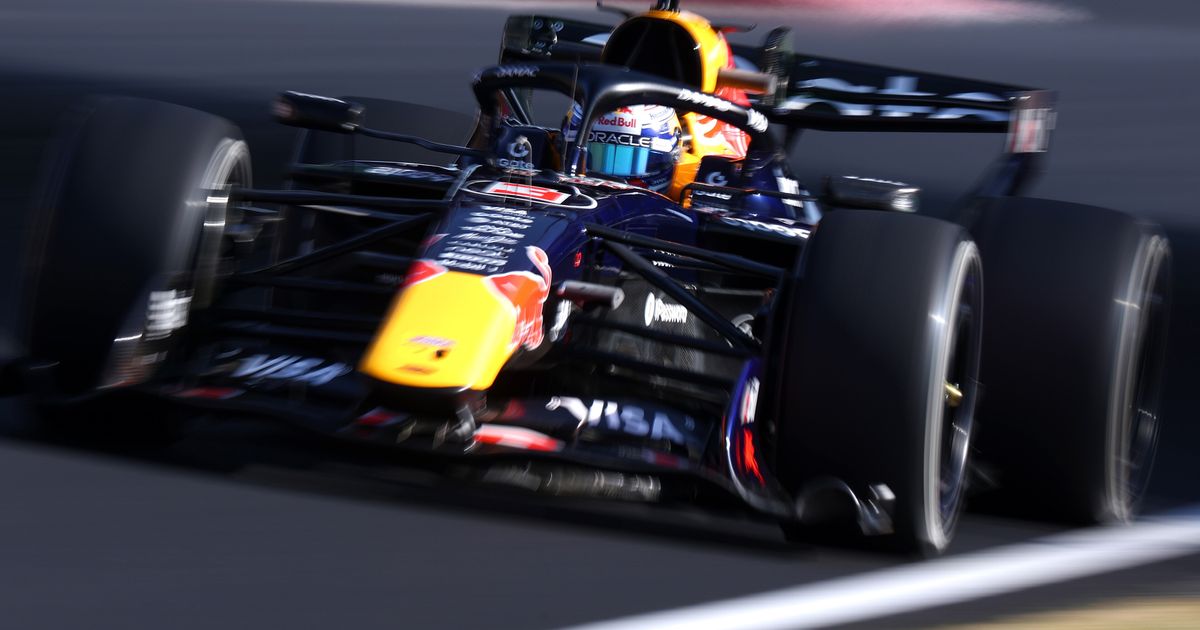
- The 'Verstappen Effect': Schumacher claims the true performance of the Honda power unit was potentially masked in recent years. He states that Verstappen often ran lower-downforce setups to compensate for a power deficit, a compensation his then-teammates could not match, making the engine appear stronger than it was.
- Due Diligence Questioned: The German driver expressed disappointment that Aston Martin's leadership reportedly seemed surprised by the personnel they met during a factory visit after signing the contract, implying a potential lack of thorough investigation before committing.
- A Jab at Leadership: Schumacher indirectly criticized owner Lawrence Stroll's management, suggesting it might be "a bit too much for him" or that he failed to rely on his advisors, referencing Stroll's background in the fashion industry.
- Chronic Instability: Beyond the engine deal, Schumacher identified constant personnel churn and a lack of consistency as the team's core weakness, arguing that a revolving door of "big names" without a stable foundation is detrimental to F1 success.
The big picture:
Aston Martin's current on-track struggles—being the slowest team in Japan despite Fernando Alonso's finish—mirror the internal turbulence described. While the 2026 project with Honda represents a fresh start, Schumacher's analysis frames it as another risky move by a team still searching for a solid operational footing. The success of this partnership will depend not just on Honda's technical delivery, but on whether Aston Martin can build the stable and expert structure required to harness it, moving beyond a reliance on star drivers to compensate for deeper flaws.
Don't miss the next lap
Get the deep dives and technical analysis from the world of F1 delivered to your inbox twice a week.
Zero spam. Only high-octane analysis. Unsubscribe anytime.
Join the inner circle
Get the deep dives and technical analysis from the world of F1 delivered to your inbox twice a week.
Zero spam. Only high-octane analysis. Unsubscribe anytime.
Continue Reading
View More News