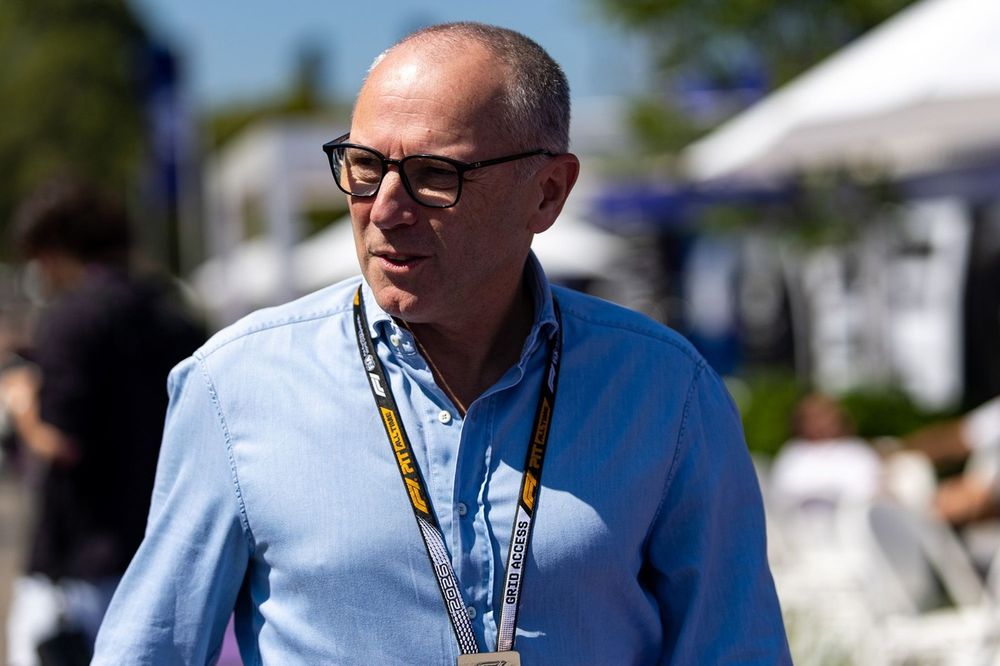
Domenicali defends 2026 F1 rules, says Verstappen/Hamilton criticism premature
F1 CEO Stefano Domenicali believes criticism from Max Verstappen and Lewis Hamilton about the complex and potentially 'anti-racing' 2026 regulations is premature. He defends the new rules as crucial for attracting manufacturers and promises the sport will remain flexible to make improvements if the on-track product suffers.
F1 CEO Stefano Domenicali has pushed back against early criticism of the sport's 2026 technical regulations from champions Max Verstappen and Lewis Hamilton, arguing it's too soon to judge the new era and that the series remains open to making adjustments. His comments come as the new-generation cars completed their first competitive sessions in Australia without major incident, a sign he believes warrants patience as engineers work to unlock performance.
Why it matters:
The vocal skepticism from the sport's biggest stars during winter testing created significant public doubt about the future direction of F1. Domenicali's defense highlights the delicate balance F1's leadership must strike between listening to its current drivers and sticking to a long-term regulatory vision designed to attract new manufacturers and promote sustainability. How the 2026 cars ultimately race will be critical for fan engagement and the sport's credibility.
The details:
- The Criticism: During Bahrain testing, Lewis Hamilton called the 2026 power units and their complex energy management "too convoluted" to explain to fans. Max Verstappen was more scathing, labeling the cars "anti-racing" and "not fun" due to aggressive lift-and-coast driving required for energy harvesting.
- Domenicali's Rebuttal: The F1 boss stated it is "wrong... to talk bad about an incredible world that is allowing all of us to grow." He emphasized that the new rules will still reward the best drivers and that F1's "incredible" engineering talent will rapidly improve car performance.
- Regulation Goals Achieved: Domenicali noted the primary objective of the 2026 rules—attracting new manufacturers like Audi, Ford, and Cadillac with a focus on sustainable fuel and greater electrification—has already been met, calling this "absolutely essential."
- Openness to Change: Crucially, Domenicali confirmed a flexible approach, stating that F1, the FIA, and the teams have discussed being "very open" to addressing any issues with the on-track spectacle after the rules debut.
What's next:
The focus now shifts to the development race. Domenicali is banking on teams to quickly evolve the 2026 cars to be faster and better to drive. His assurance that the sport will adapt if necessary provides a safety net, but the pressure is on to ensure the new era delivers exciting racing. The coming months of simulation and on-track testing will be pivotal in shaping whether the drivers' early fears are realized or alleviated.
Don't miss the next lap
Get the deep dives and technical analysis from the world of F1 delivered to your inbox twice a week.
Zero spam. Only high-octane analysis. Unsubscribe anytime.
Join the inner circle
Get the deep dives and technical analysis from the world of F1 delivered to your inbox twice a week.
Zero spam. Only high-octane analysis. Unsubscribe anytime.
Continue Reading
View More News