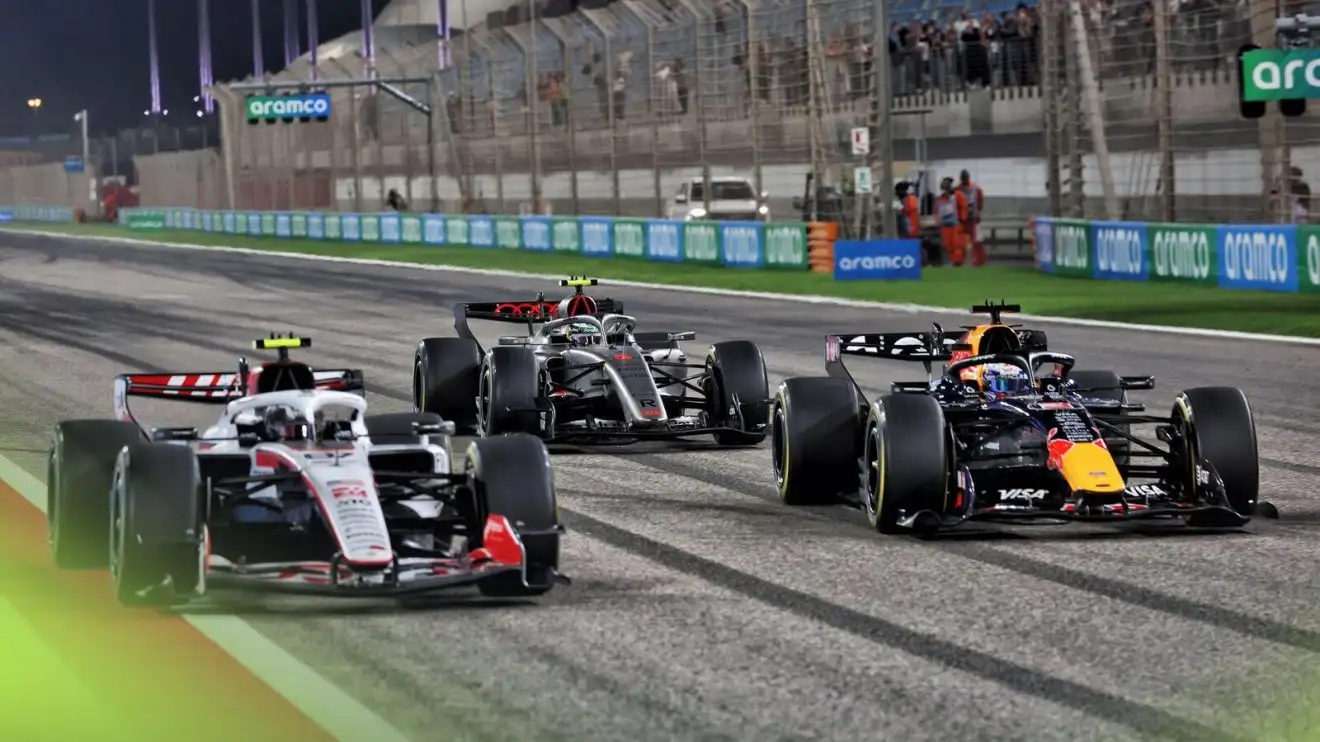
Domenicali Rejects Formula E Comparisons as F1 Hybrid Era Expands
F1 CEO Stefano Domenicali insists the sport remains fundamentally distinct from Formula E, despite the 2026 rules massively increasing hybrid power and driver energy management. He argues the combination of high-speed, combustion-engine power and strategic battery use preserves F1's unique identity, even as drivers adapt to new techniques.
Formula 1 CEO Stefano Domenicali firmly dismisses comparisons between F1 and Formula E, despite the sport's significant shift towards hybrid power for the 2026 season. The new regulations mandate a 50/50 split between internal combustion and electrical energy, a move that has unsettled some drivers but which Domenicali argues maintains F1's distinct identity as the pinnacle of motorsport.
Why it matters:
The debate touches on the core identity of Formula 1 as it navigates technological evolution and commercial pressures. With major manufacturers like Audi and Ford committing to the 2026 power unit rules, the sport is balancing road relevance and sustainability goals with its traditional high-speed, combustion-engine heritage. How this hybrid transition is perceived could impact fan engagement and the sport's long-term direction.
The Details:
- The 2026 power units represent a dramatic increase in electrical energy, with output rising to 350kW from 120kW and the battery capacity growing to 9MJ.
- This forces drivers to master a new style of energy management, prioritizing harvesting and deployment through techniques like "clipping"—diverting ICE power to charge the battery on straights—which can reduce top speed.
- The change has led to criticism from drivers like Max Verstappen, who labeled the new rules "Formula E on steroids," citing the increased focus on energy management over pure, flat-out cornering.
- Domenicali counters these comparisons by highlighting fundamental differences: "They’re totally different things in terms of energy deployment, in terms of engine, thermal engine, in terms of sound, in terms of dimension, in terms of speed."
- The simplification of the hybrid system, removing complex heat recovery units, was a deliberate move to lower costs and attract new manufacturers, even as the electrical demands tripled.
The Big Picture:
This is not the first time F1 has faced resistance to technological change. The introduction of hybrid power in 2014 and the DRS system were both initially controversial but are now accepted parts of the sport's fabric. The current shift is framed as a necessary compromise, aligning with global automotive trends towards sustainability while retaining a powerful internal combustion engine—a key element Formula E lacks. The philosophical question remains whether strategic energy management detracts from F1's status as the ultimate driving challenge or simply adds another layer of skill, much like tire or fuel management of the past. Domenicali's stance is clear: F1 is evolving on its own unique path.