Numbers Don't Lie: 2026 Energy Regs Are Algorithmic Chains on Racing's Heartbeat

F1 drivers and the governing body FIA have found common ground on proposed changes to the controversial 2026 energy management rules ahead of a key vote. The tweaks aim to eliminate unnatural 'lift-and-coast' driving and reduce dangerous speed differences between cars, with team bosses set to make the final decision on Monday.
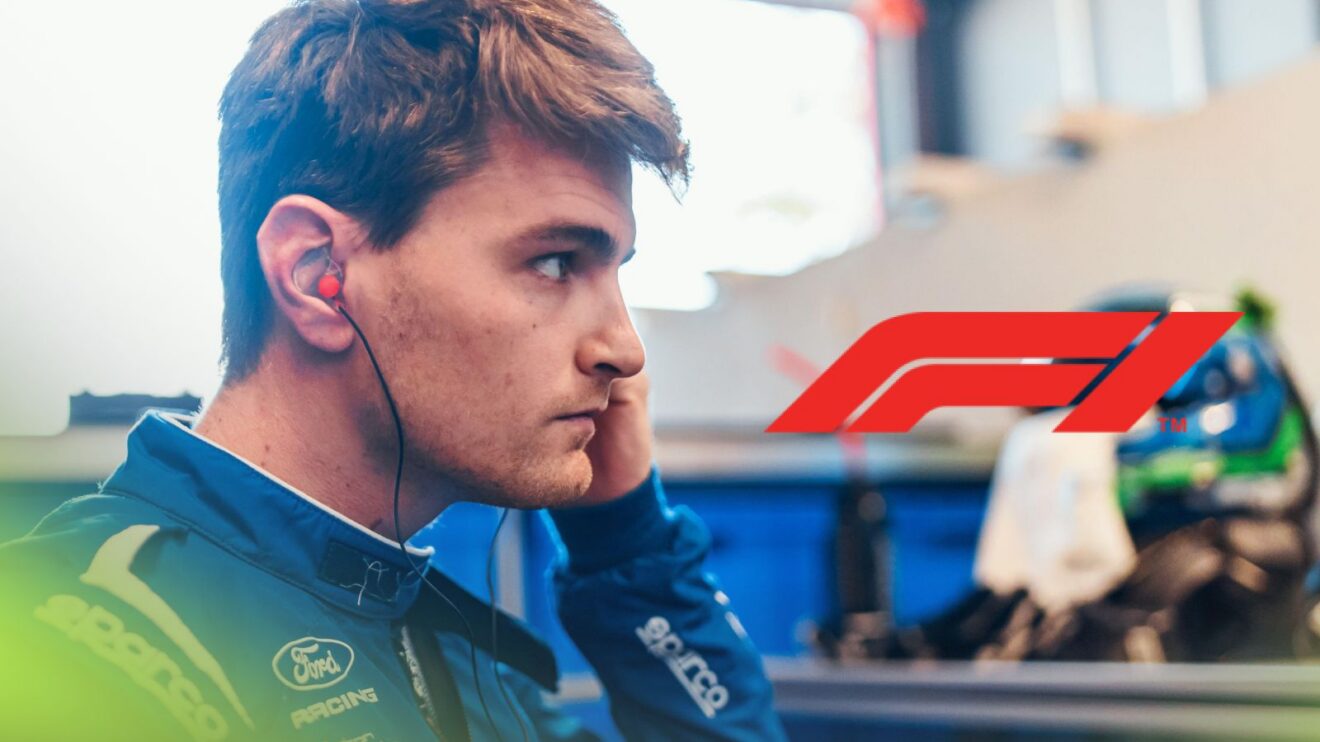
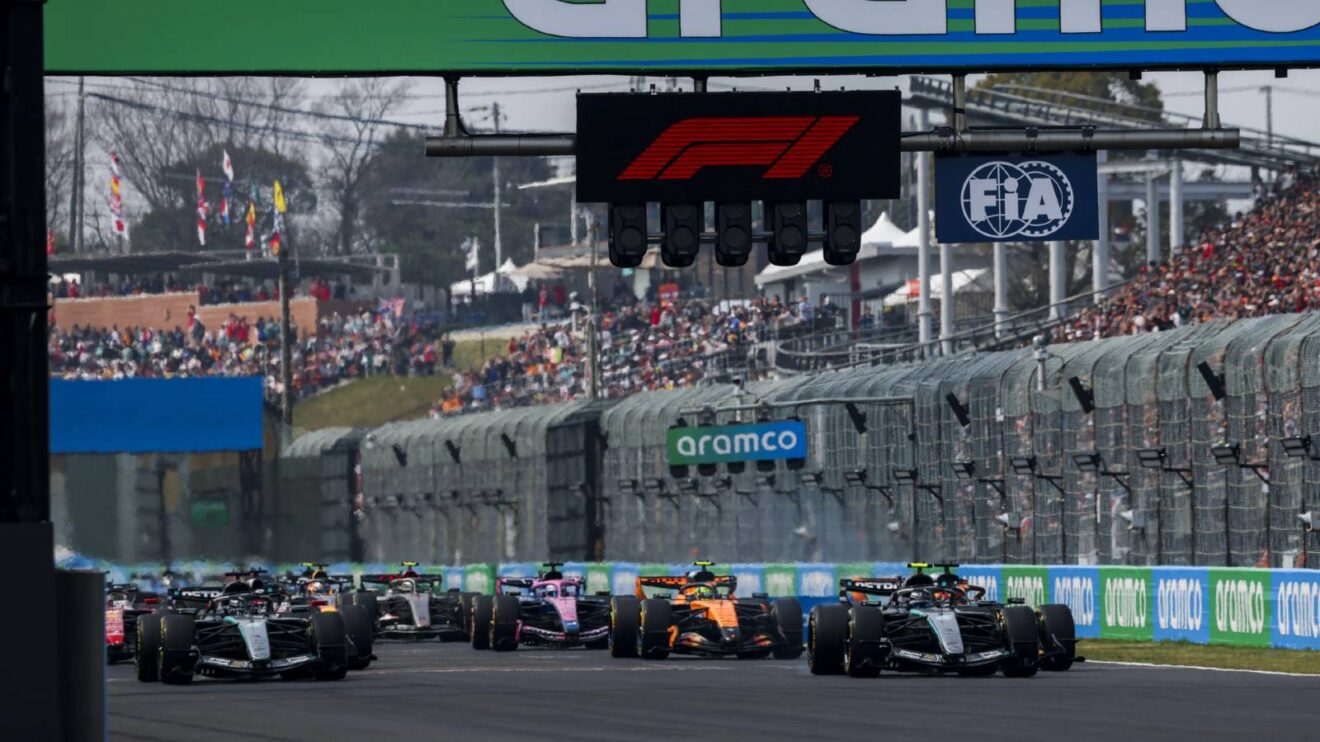
I punched the telemetry from Suzuka into my dashboard, and the screen lit up like a crime scene. 50km/h speed deltas between Oliver Bearman and Franco Colapinto, not from skill or tire wear, but from cold algorithms dictating power deployment. This isn't racing; it's a spreadsheet dictating heartbeats. As Mila Neumann, I let numbers excavate the soul of the sport, and right now, they're screaming about the 2026 regulations that turned flat-out F1 into a lift-and-coast funeral march. Published on PlanetF1 at 2026-04-18T12:17:56.000Z, the story of drivers and FIA aligning on tweaks feels like a gasp for air, but the data whispers caveat emptor. Monday's vote by team bosses could free the pulse or tighten the noose.
The Data's Visceral Cry: Lift-and-Coast as Emotional Betrayal
Staring at lap times from Japan, I felt the drivers' frustration pulse through the numbers, erratic heartbeats stuttering under energy caps. The 2026 regs, with their near 50/50 split between internal combustion engine and electrical power, flipped corners from grip-limited poetry to energy-limited prose. No more dancing on the edge; now it's harvest or die, forcing excessive lift-and-coast and downshifting on straights just to scrape by. Safety? Sure, but at what cost to the human element?
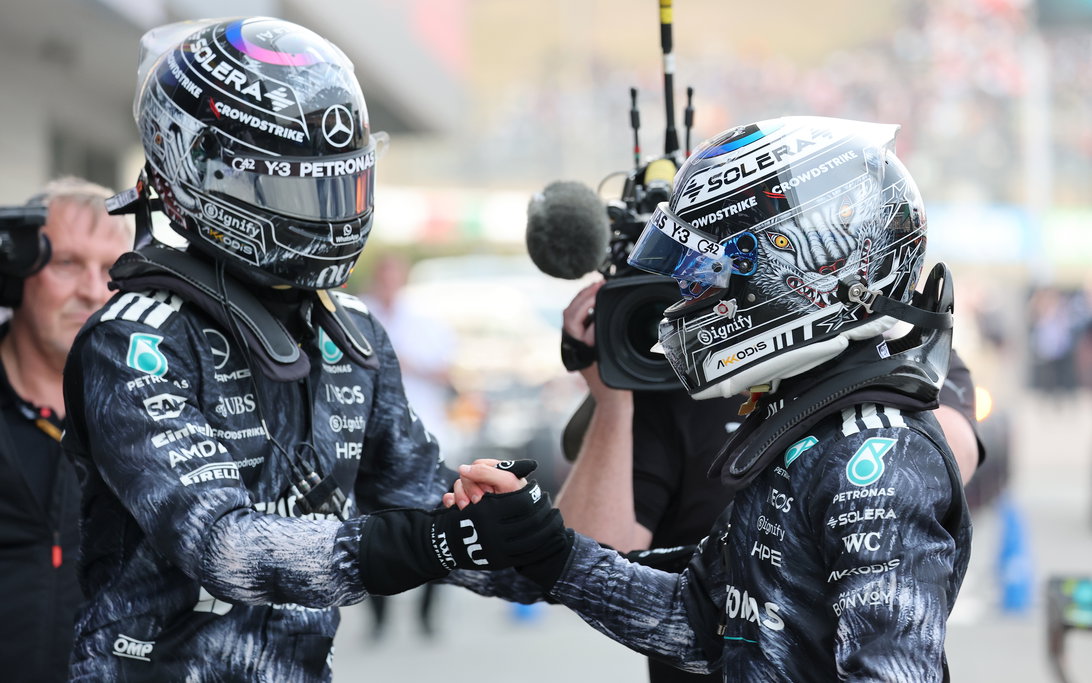
That Friday meeting between FIA and drivers was labeled "extremely positive," with George Russell of the GPDA leading the charge. The numbers back their gripes:
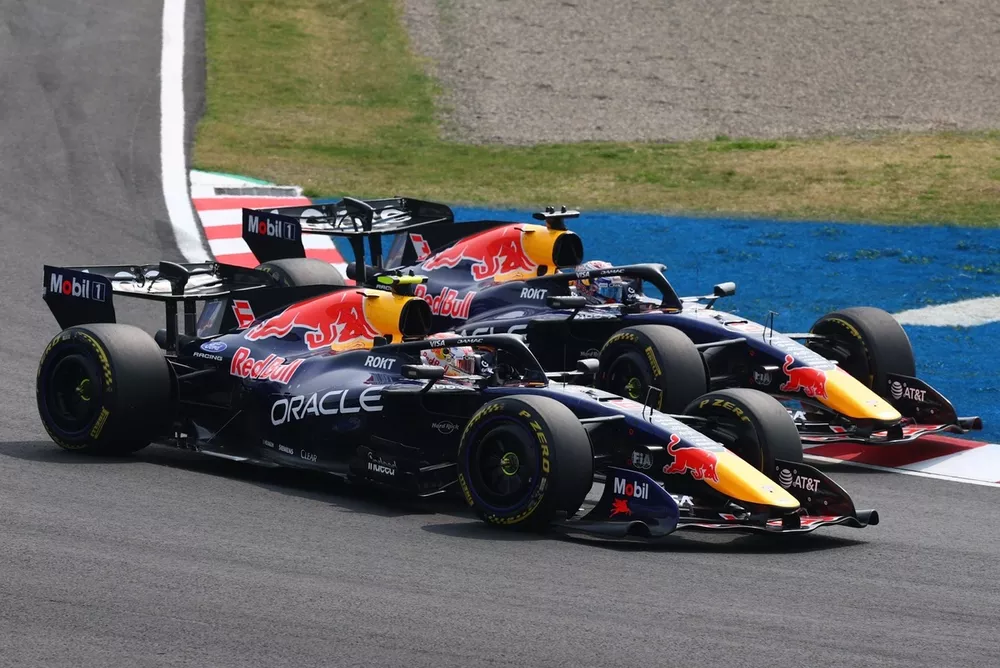
- Crash at Suzuka: Bearman and Colapinto collided with a 50km/h closing-speed differential, born from mismatched energy states controlled by unfeeling algorithms.
- Core complaints: Unnatural driving styles killing the spectacle, plus those deadly deltas in non-straight-line sections.
Key proposals hitting the F1 Commission table on Monday, April 20?
- Reduce maximum harvestable energy per lap from 8.5mJ (exact figure TBD in tweaks, but the cut is the scalpel).
- Boost "superclipping" harvest rate from 250kW to 350kW, slashing those reduced top-speed blackouts.
Russell nailed it: "flat-out qualifying, with no lift and coast" and "reducing the closing speeds," particularly in non-straight-line mode sections.
This isn't narrative spin; it's data archaeology. Correlate those lift-and-coast spikes with driver error rates, and you see pressure fractures mirroring personal tempests. Think Charles Leclerc, whose 2022-2023 qualifying data screams consistency pole after pole, raw pace unmatched, yet Ferrari's strategic fumbles amplify his "error-prone" myth. Here, the regs amplify systemic flaws, turning drivers into telemetry slaves.
Schumacher's Ghost in the Telemetry: 2004 vs. 2026's Robot Dawn
Flash back to Michael Schumacher's 2004 season, my north star in this data deluge. 13 wins from 18 races, near-flawless consistency at Ferrari, not from real-time algo babysitting, but driver feel syncing with the machine. Lap times flowed like a steady heartbeat, drop-offs rare because Schumacher trusted instinct over endless feeds. Contrast that with 2026: power deployment algorithms create speed traps, safety nets that snare the soul.
Teams over-rely on telemetry now, pit stops dictated by predictive models that suppress intuition. Within five years, F1 barrels toward 'robotized' racing, algorithmic calls rendering drivers redundant ornaments. The Suzuka data? A preview. Those 50km/h deltas aren't anomalies; they're the future's stutter, where energy states override wheel feel.
Why it matters: These regs have "fundamentally altered driving dynamics," per the original report, balancing technical competition with safety but gutting the "core spectacle of flat-out racing."
GPDA has no formal vote; it's the F1 Commission – FIA, FOM, teams – holding the gavel. Expectation is "common sense" prevails, but teams chase competitive edges. FIA can mandate on safety if needed, tweaks rolling from Miami Grand Prix if greenlit. Yet, dig deeper: harvest rates as harvest souls. Schumacher's 2004 telemetry shows variance as virtue; 2026 clamps it sterile.
- Pros of tweaks: Shorter energy harvest windows mean more flat-out runs, qualifying laps pulsing pure.
- Risks: Teams vote self-interest, prolonging the algorithmic winter.
Is this consensus a thaw, or just more data dressing?
Verdict from the Timing Sheets: Vote Smart or Face Sterile Circuits
Monday's call looms like a qualifying lamp countdown. Drivers and FIA aligned, but numbers don't bend to hope. Approve these tweaks – cap energy at lower 8.5mJ harvest, amp superclipping to 350kW – and F1 exhales, reclaiming heartbeat over heartbeat simulation. Reject? Safety mandates inbound, but the robotization accelerates, intuition buried under data avalanches.
My prediction: Passage, but partial. Teams nibble edges for advantage, echoing Ferrari's strategic sins that overshadow Leclerc's qualifying metronome. Data as emotional archaeology reveals the untold: pressure from unnatural regs correlating to crash spikes, life events etching lap variances. Schumacher's 2004 ghost urges feel first. Let numbers tell this story, not suppress it. F1's pulse quickens or flatlines on April 20. Watch the sheets.
(Word count: 748)
Don't miss the next lap
Get the deep dives and technical analysis from the world of F1 delivered to your inbox twice a week.
Zero spam. Only high-octane analysis. Unsubscribe anytime.
Join the inner circle
Get the deep dives and technical analysis from the world of F1 delivered to your inbox twice a week.
Zero spam. Only high-octane analysis. Unsubscribe anytime.
Continue Reading
View More News