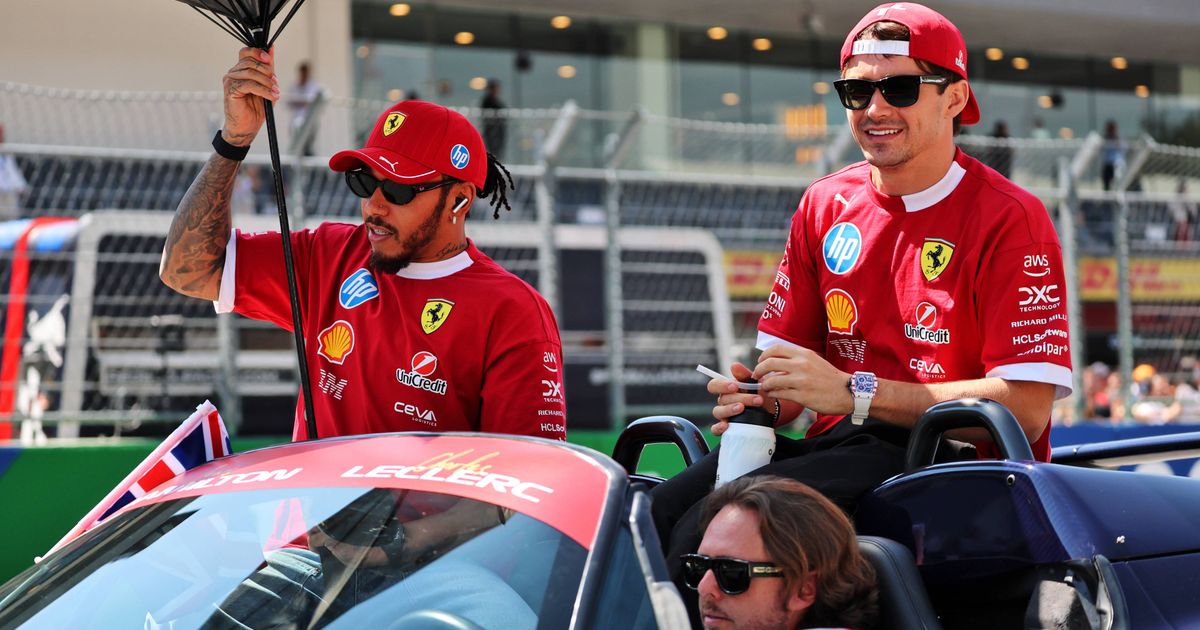
Elkann's Wake-Up Call for Hamilton and Leclerc: Drive, Don't Just Talk
Ferrari chairman John Elkann has sent a strong message to Lewis Hamilton and Charles Leclerc, emphasizing their role is to drive, not to publicly complain. This directive highlights Ferrari's traditional stance against open criticism, contrasting sharply with teams like Red Bull. Elkann aims to foster a united front and protect the brand's image, drawing parallels to legendary drivers like Michael Schumacher who upheld discretion. The move underscores Ferrari's unique culture and the potential consequences for drivers who fail to align with its values.
Ferrari chairman John Elkann has issued a clear directive to his star drivers, Lewis Hamilton and Charles Leclerc: their primary role at the Scuderia is to drive, not to air grievances publicly. This message underscores a fundamental difference in philosophy compared to teams like Red Bull and highlights Ferrari's traditional values.
Why it matters:
Ferrari, F1's most iconic and traditional team, views public criticism from its drivers as detrimental to its brand image and business. Elkann's intervention aims to instill a culture of discretion and internal problem-solving, a stark contrast to the outspoken nature of some rivals. This move is a reminder that at Ferrari, the brand's integrity often takes precedence over individual expression, especially when it comes to airing team issues.
The details:
- Elkann's Stance: Unlike many team principals, Elkann rarely speaks publicly, yet his recent remarks to Hamilton and Leclerc were pointed, urging them to focus on extracting maximum performance from their F1 machinery rather than complaining to the media.
- Red Bull vs. Ferrari: Red Bull's culture, exemplified by Max Verstappen's candid feedback about his car, is seen as compatible with their brand. Verstappen's complaints, even about an 'undriveable' car, are interpreted as part of his supertalent persona and Red Bull's defiant brand. This differs significantly from Ferrari, where such remarks are deemed damaging.
- Historical Precedent: Ferrari has a history of intolerance towards public criticism. Alain Prost was famously dismissed in 1991 for labeling the Ferrari 642 a "truck." While Niki Lauda made similar comments, he did so behind closed doors, adhering to Ferrari's expectation of discretion.
- The Schumacher Benchmark: Michael Schumacher is held as the ideal Ferrari driver—blindingly fast, mentally resilient, insatiably hungry, and, crucially, discreet. He never publicly criticized the team, fostering an aura of loyalty and respect that solidified his legend status within Ferrari and among the tifosi. This is the standard Hamilton and Leclerc are now implicitly being held to.
- Impact of Public Criticism: Elkann believes public criticism leads to external scrutiny, fan unrest, and media pressure, which can create internal divisions. Hamilton's detailed review of Ferrari's operations and Leclerc's downplaying of 2025 winning chances are viewed as undermining team morale and ambition, rather than constructive feedback.
The big picture:
Elkann is striving to build a united front within Ferrari. Every member of the Scuderia, from mechanics to engineers and leadership, is dedicated to providing the best conditions for the drivers. His words are not an attack but a reminder of the expected conduct for a Ferrari driver. This reinforces the idea that Ferrari operates under its own unique code of conduct, where loyalty and discretion are paramount.
What's next:
It remains to be seen how Hamilton and Leclerc will respond to Elkann's 'wake-up call.' While a 'Prost-like' exit might seem extreme, Elkann's statement signals that Ferrari will not tolerate public dissent. This directive sets a clear tone for the future, emphasizing that the team's values and brand image are non-negotiable, and any continued public criticism could have significant consequences for the drivers.