Explained: How F1's new ADUO engine development system works
F1's new ADUO system allows engine manufacturers lagging behind the benchmark extra development time and upgrades to close the performance gap during the season. With Mercedes holding a clear early advantage in 2026, the framework's first evaluation and potential timeline shift are under scrutiny.
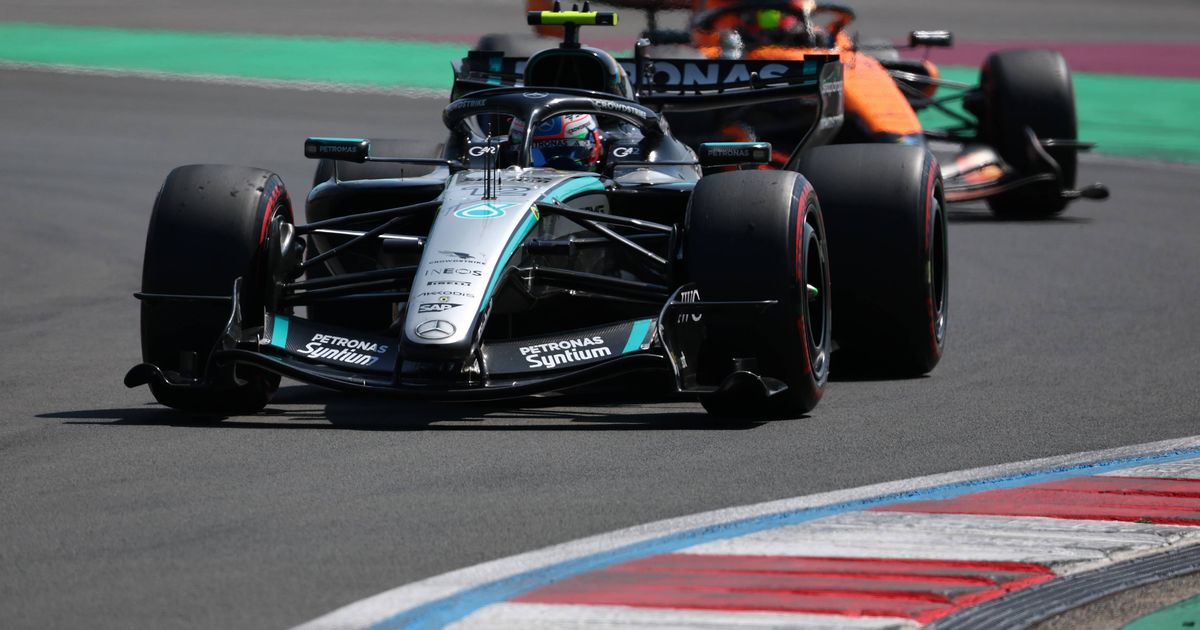
Mercedes has dominated the opening phase of the 2026 Formula 1 season with a clear power unit advantage, but a new FIA system called ADUO is designed to help rivals close that gap during the championship itself. The Additional Development and Upgrade Opportunities framework allows struggling manufacturers extra dyno time and upgrade tokens based on their performance deficit to the benchmark engine.
Why it matters:
The introduction of ADUO marks a significant philosophical shift in F1 engine regulations, moving from a strict, frozen development path to a more reactive, in-season balancing mechanism. Its success or failure will directly impact the competitive landscape, potentially preventing a single manufacturer from running away with a title due to a power unit advantage and ensuring closer racing. For teams like Honda, who appear to be significantly behind, it offers a crucial lifeline.
The details:
- The Core Mechanism: ADUO functions as a form of Balance of Performance (BoP), but with a key difference: it empowers the chasing teams to develop their way forward rather than artificially slowing down the leader. Manufacturers lagging behind are granted additional hours of dyno testing and the right to introduce performance upgrades.
- Performance Brackets: The number of permitted upgrades is tied to a clear performance deficit. A manufacturer operating 2-4% below the benchmark (currently Mercedes) gets one additional upgrade opportunity. If the deficit exceeds 4%, that allowance increases to two upgrades—a bracket Honda is reportedly in.
- Evaluation Timeline: The FIA conducts formal performance reviews of all power units every six races to assess gaps and apply the ADUO rules. This aims to provide a mid-season correction window instead of forcing teams to wait an entire winter.
- A Timeline Dilemma: Due to the cancelled Bahrain and Saudi Arabian Grands Prix, the first six-race evaluation point is now scheduled after Monaco, not Miami. The FIA is considering moving this assessment forward to provide more flexibility, but it's unclear if Mercedes will support an earlier review that could accelerate their rivals' catch-up efforts.
What's next:
The focus now shifts to the first official performance evaluation. Whether it occurs after Monaco or earlier will set the tone for the system's first season. Teams like McLaren, Ferrari, and Aston Martin, who are powered by Mercedes, will be watching closely, as any convergence in engine performance could shift the competitive order. The effectiveness of ADUO in creating a tighter field without stifling innovation will be a major storyline for the remainder of 2026 and a potential blueprint for future regulations.