F1 2026 Car Regulations: Lighter, Smaller, and Active Aero
F1's 2026 regulations introduce lighter, smaller cars with active aerodynamics and reduced downforce to improve racing and safety.
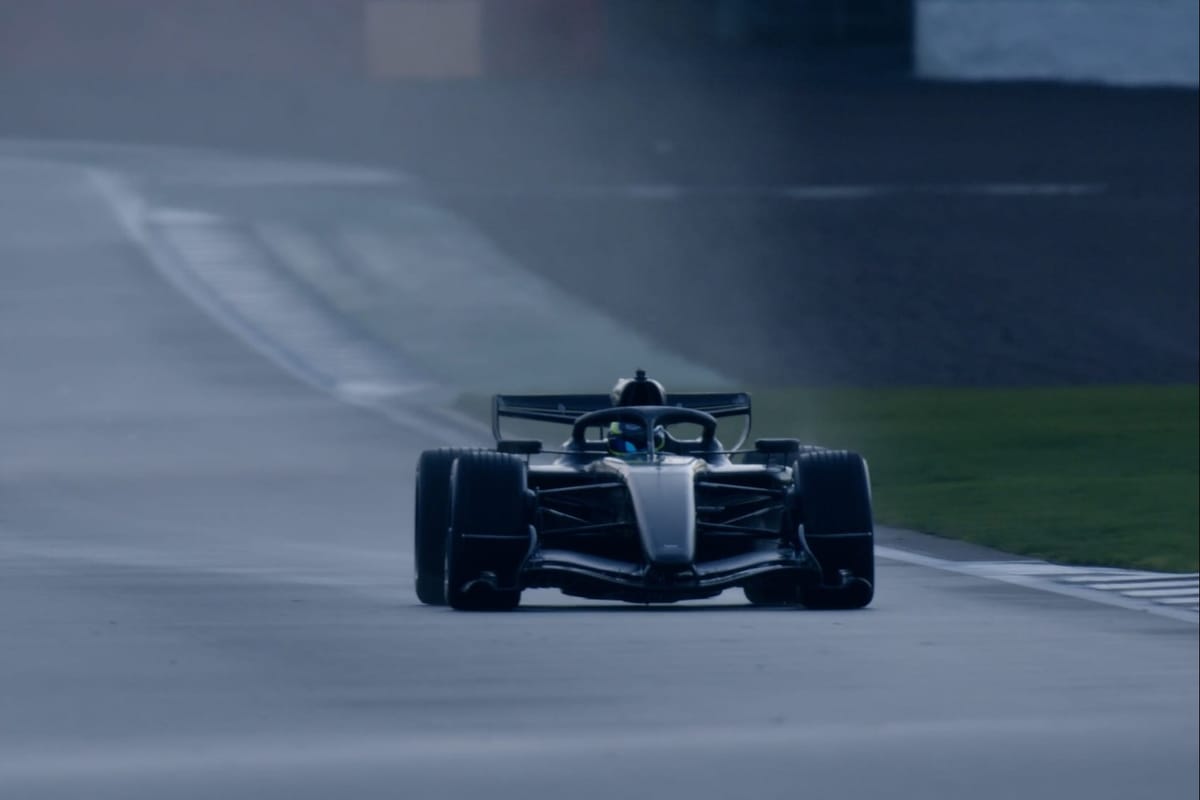
F1 is set for a massive shake-up in 2026 with revolutionary chassis regulations designed to make cars lighter, smaller, and more agile. The new rules introduce active aerodynamics and significantly reduce downforce to improve on-track racing and safety.
Why it matters:
The 2026 regulations represent the most significant technical overhaul in decades, aiming to reverse the trend of heavier, bulkier cars. By introducing active aerodynamics and slashing weight, the FIA hopes to create closer racing and more sustainable performance levels. These changes could redefine team hierarchies as engineers adapt to a radically different set of challenges.
The details:
- Dimensions: The minimum weight drops by 30kg to 770kg. The wheelbase shortens from 3600mm to 3400mm, while overall width decreases by 100mm and floor width by 150mm.
- Aerodynamics: Downforce is cut by an estimated 30% and drag by 55%. The front wing narrows, the rear beam wing is removed, and front wheel arches vanish to manage wheel wake better.
- Active Aero: Movable front and rear wings allow drivers to switch between "corner mode" (high downforce) and "straight mode" (low drag) manually in designated zones, replacing the traditional DRS.
- Safety: Rollhoop impact resistance increases from 16G to 20G, with enhanced side protection and new rear wing lights to indicate ERS status.
The big picture:
The focus is shifting from raw lap time to racing quality. The FIA predicts cars will retain 80% of their downforce when following just one car length behind. While teams will likely recover performance through development, the move towards agility and active aero promises a new era of strategic wheel-to-wheel combat.
Don't miss the next lap
Get the deep dives and technical analysis from the world of F1 delivered to your inbox twice a week.
Zero spam. Only high-octane analysis. Unsubscribe anytime.
Join the inner circle
Get the deep dives and technical analysis from the world of F1 delivered to your inbox twice a week.
Zero spam. Only high-octane analysis. Unsubscribe anytime.
Continue Reading
View More News