F1 2026: Drivers Face Higher Workload with New Hybrid Systems
Racing Bulls boss Peter Bayer warns F1 2026's complex hybrid and active aero rules will significantly increase driver workloads, removing automated assistance for energy management.
Racing Bulls team principal Peter Bayer warns that the upcoming 2026 regulations will significantly increase the workload for Formula 1 drivers. The shift towards a 50/50 power split between internal combustion and hybrid energy, combined with active aerodynamics, demands complex manual management that cannot be automated by teams.
Why it matters:
The removal of automated energy management shifts the burden back to the drivers, turning energy deployment into a critical skill differentiator. This change could separate the elite from the rest, as those who master the balance between boosting and charging will gain a significant tactical advantage on track.
The details:
- New Power Dynamics: The 2026 rules introduce a near 50/50 split between the engine and hybrid system, replacing the traditional Drag Reduction System (DRS) with a push-to-pass "Boost Mode" activated when within a second of a rival.
- Manual Control: Regulations mandate that drivers must operate the car independently, preventing teams from pre-programming strategies. Drivers must manually toggle between straight-line and cornering aero modes while deciding when to deploy energy reserves.
- Strategic Complexity: Drivers face constant cognitive load: deciding whether to use the boost immediately to attack or lift and coast to recharge for a later opportunity on a back straight.
- Driver Preparation: Racing Bulls' Liam Lawson is already preparing for this shift by consulting Formula E race winner Nick Cassidy, known for his expertise in energy management, to adapt to the new demands.
What's next:
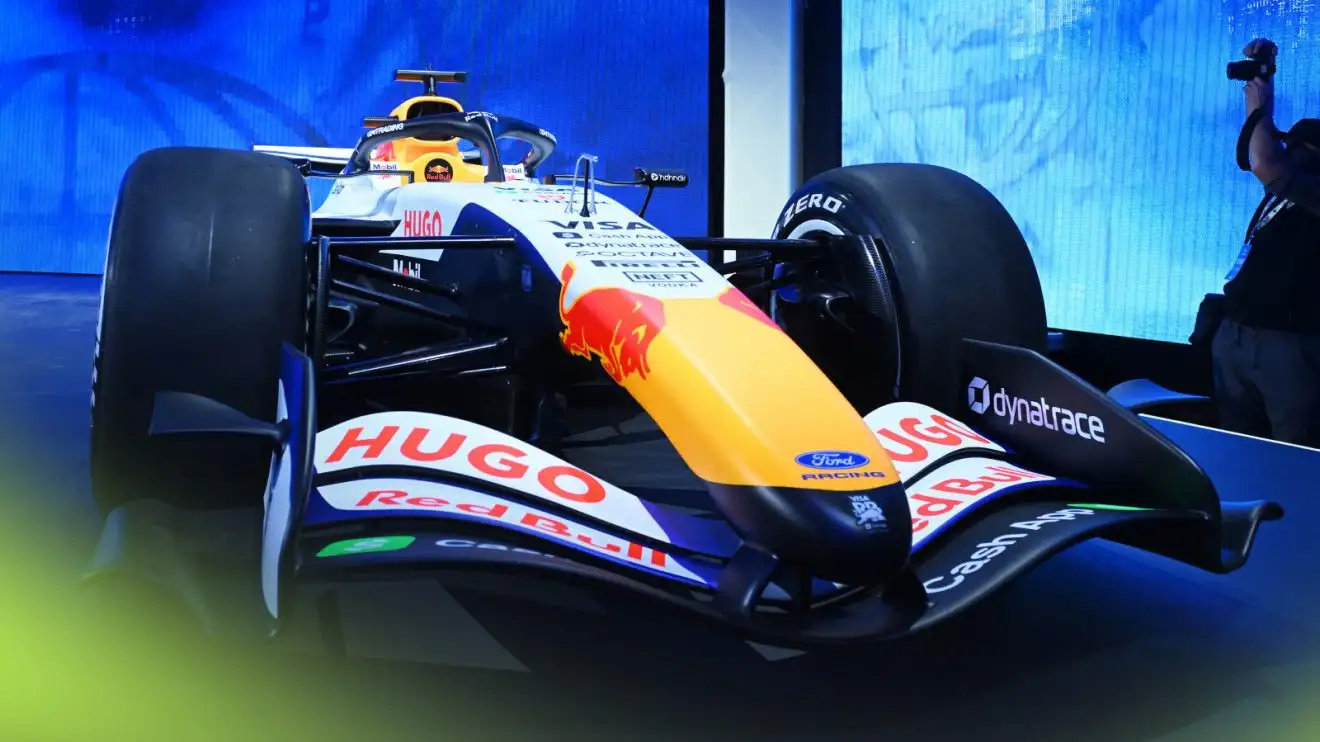
The true impact of these regulations will be revealed during pre-season testing in Barcelona next week, where teams get their first real look at the VCARB03. As drivers adapt to the increased cognitive load, the racing dynamic is expected to evolve, placing a premium on mental endurance and tactical precision.
Don't miss the next lap
Get the deep dives and technical analysis from the world of F1 delivered to your inbox twice a week.
Zero spam. Only high-octane analysis. Unsubscribe anytime.
Join the inner circle
Get the deep dives and technical analysis from the world of F1 delivered to your inbox twice a week.
Zero spam. Only high-octane analysis. Unsubscribe anytime.
Continue Reading
View More News