F1 2026 Power Unit Rules Face New Compromise
Formula 1's 2026 power unit regulations are set for another change, with a new compromise targeting how engine compression is measured. The proposal aims to curb a potential Mercedes advantage by accelerating the timeline for new rules and ultimately mandating measurements only under hot conditions from 2027, forcing strategic recalculations for the team and its customers.
A new compromise has emerged in the ongoing debate over Formula 1's 2026 power unit regulations, specifically targeting how engine compression ratios are measured. This latest proposal, which supersedes a plan agreed upon just weeks ago, directly impacts Mercedes' innovative design approach and accelerates the timeline for regulatory changes.
Why it matters:
The technical battle over the 2026 power units is heating up before a single car has hit the track. This rule change centers on a key performance differentiator—compression ratio—and could significantly alter the competitive balance. It represents a strategic move by rival manufacturers to neutralize a perceived advantage held by Mercedes, setting the stage for a high-stakes engineering and political contest that will define the next era of F1.
The details:
- The core dispute involves the conditions under which an engine's compression ratio is measured for regulatory compliance. The current rules specify measurement at ambient (cold) temperature.
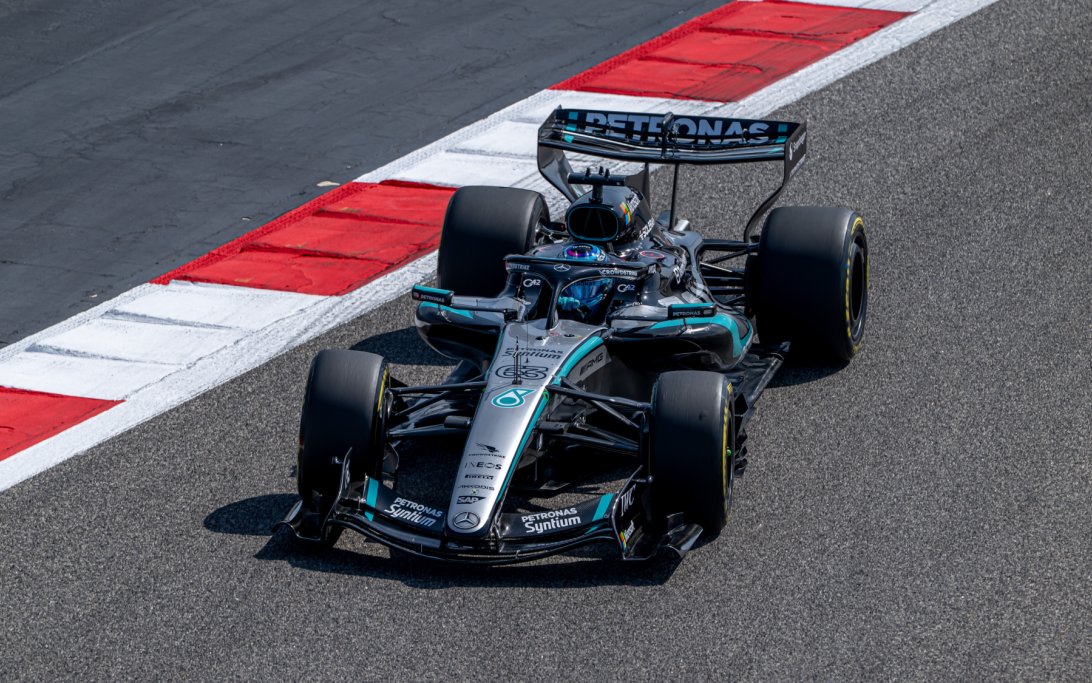
- Mercedes has developed a power unit design that reportedly gains a significant advantage under these cold measurement conditions.
- A previous compromise, reached during Bahrain testing, proposed measuring under both cold and hot (130°C) conditions starting August 1, 2026. This was initially supported by Mercedes team principal Toto Wolff but opposed by other manufacturers.
- The New Agreement: The latest compromise brokered among manufacturers, F1, and the FIA introduces a two-stage plan with an accelerated deadline of June 1, 2026.
- Stage 1 (2026 Season): From June 1, 2026, measurements will be taken under both cold and hot conditions.
- Stage 2 (2027 Onward): Measurements will be required only under hot conditions, effectively removing the benefit of Mercedes' cold-condition design philosophy for the long term.
- This new plan requires a super-majority vote to pass. Unless F1 or the FIA sides with Mercedes, the German manufacturer cannot block it alone.
What's next:
The revised proposal puts Mercedes in a challenging position. While the dual-measurement system for 2026 would have preserved some of their advantage, the shift to hot-only measurements from 2027 forces a fundamental redesign. Mercedes and its customer teams (McLaren, Williams) must now decide whether to continue developing their current concept for a short-term 2026 benefit or pivot resources toward a completely new solution for 2027 and beyond. This regulatory twist ensures the 2026 power unit development race remains volatile, with political maneuvering proving just as crucial as technical innovation.
Don't miss the next lap
Get the deep dives and technical analysis from the world of F1 delivered to your inbox twice a week.
Zero spam. Only high-octane analysis. Unsubscribe anytime.
Join the inner circle
Get the deep dives and technical analysis from the world of F1 delivered to your inbox twice a week.
Zero spam. Only high-octane analysis. Unsubscribe anytime.