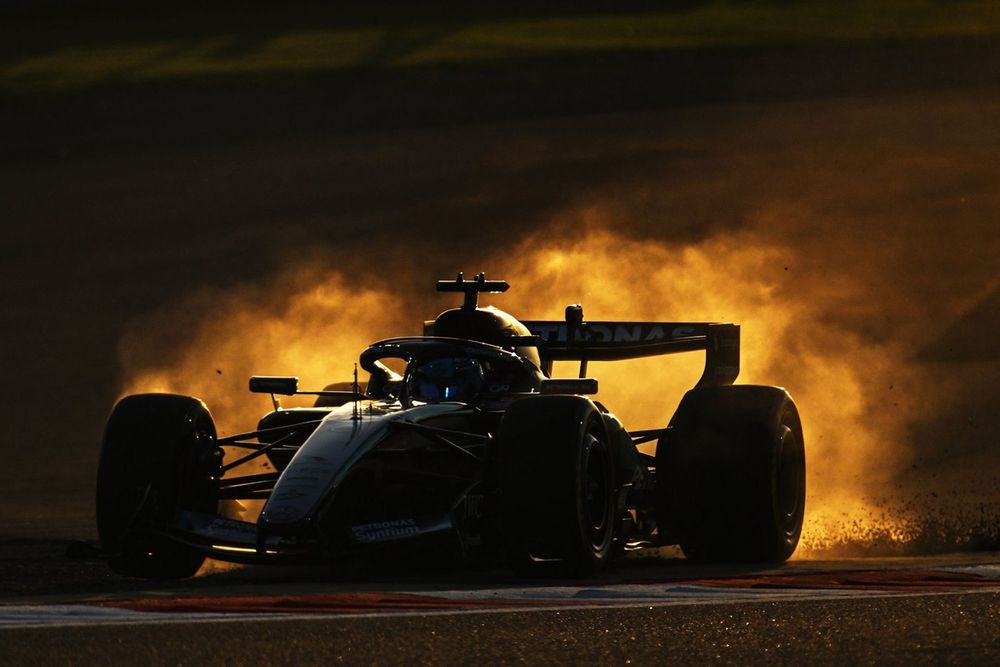
F1 2026 Pre-Season Testing: Key Takeaways from Bahrain and Barcelona
F1's 2026 pre-season testing is complete, with Ferrari setting the fastest laps and Mercedes, Ferrari, and Haas logging the most mileage. While lap times are misleading, the data highlights Ferrari's early pace and Haas's impressive reliability, while Aston Martin's new Honda engine faced significant problems. The true competitive picture will be revealed at the season-opening Australian Grand Prix.
Nine days of pre-season testing across Bahrain and Barcelona have concluded, setting the stage for the 2026 Formula 1 era to begin at the Australian Grand Prix. While lap times are notoriously deceptive, the extensive running revealed early indicators of reliability, performance, and which teams might have the most work to do before the lights go out in Melbourne.
Why it matters:
Pre-season testing is less about outright speed and more about gathering data, verifying reliability, and completing mileage. The teams that ran the most—like Mercedes, Ferrari, and a surprisingly robust Haas—enter the new regulatory era with a wealth of information and presumably fewer unknowns. Conversely, teams plagued by problems, most notably Aston Martin and its new Honda power unit, face a significant deficit heading into the first race weekend.
The details:
- Ferrari shows early pace: Charles Leclerc set the fastest overall lap in Bahrain (1m31.992s), and Lewis Hamilton topped the timesheets in Barcelona (1m16.348s). While these times come with the usual testing caveats like fuel loads and engine modes, they position Ferrari as an early contender. However, a comparison to last year's testing shows the 2026 cars are currently over 2.5 seconds slower in Bahrain, highlighting the development curve ahead.
- Mileage kings emerge: The true test of pre-season is reliability and distance. George Russell (Mercedes), Charles Leclerc (Ferrari), and Esteban Ocon (Haas) all exceeded 3,000km of running individually—over 500km more than the driver average.
- Team mileage tells a story: Three constructors surpassed 6,000km as a team: Mercedes (6,202km), Haas (6,118km), and Ferrari (6,081km). Haas's inclusion in this top group is a standout achievement, suggesting a solid and reliable package, even if outright speed may remain midfield.
- Mercedes power leads the way: With four customer teams, Mercedes-powered cars collectively covered over 21,500km—symbolically half the Earth's circumference. Ferrari and the new Red Bull Ford power units also showed strong average mileage per team.
- Struggles at the back: At the opposite end, Aston Martin managed only 2,115km as a team due to persistent issues, primarily with its new Honda power unit. Williams, which skipped the Barcelona test entirely, still logged over 4,200km in just six days in Bahrain.
What's next:
All the data gathering and speculation now give way to the real test: the Australian Grand Prix on March 6-8. The pecking order suggested by testing will be put to the ultimate test under competitive conditions. Teams like Mercedes and Ferrari, with their strong mileage and promising lap times, will aim to convert that foundation into points. For others, like Aston Martin, a frantic race against time begins to solve their reliability woes before the season gets underway.