F1 2026 Pre-Season Testing: What Fans Need to Know
As the 2026 regulations overhaul looms, pre-season testing becomes the critical first look at the new era. Here is what to expect from the track action and technical reveals.
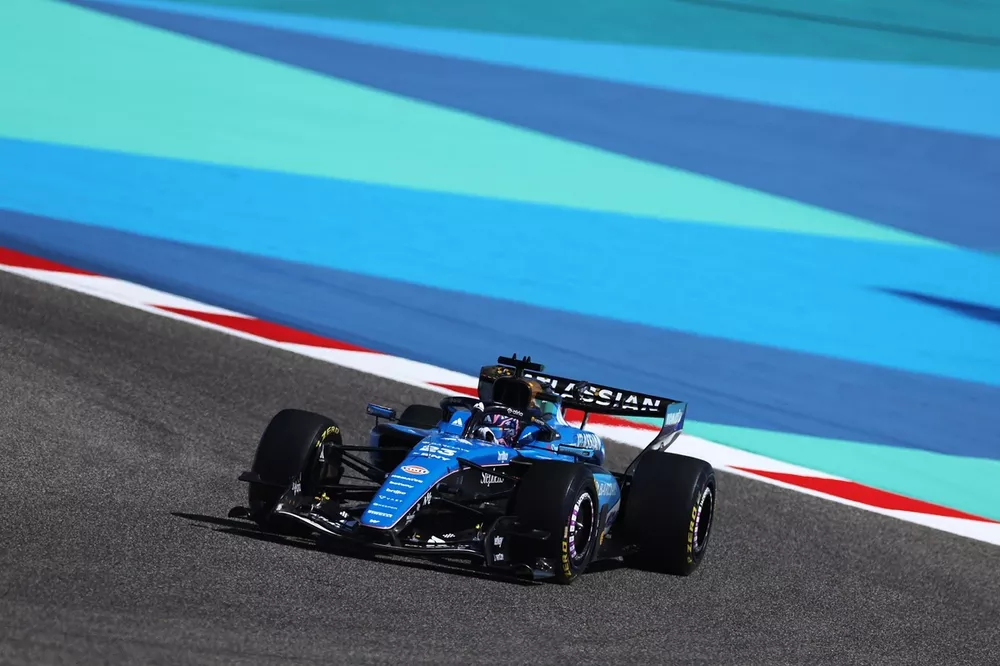
With the 2026 regulations bringing a massive overhaul to power units and aerodynamics, pre-season testing in Bahrain offers the first definitive glimpse into the new pecking order. Teams will be focused on reliability checks and validating simulation data rather than setting outright lap times immediately.
Why it matters:
The 2026 season represents a significant reset for Formula 1, introducing new power unit regulations and active aerodynamic concepts. Testing is the only opportunity before the lights go out to see which manufacturers have successfully adapted to the increased electrical power and sustainable fuel requirements.
The Details:
- Reliability is King: The primary goal for teams is not speed, but ensuring the new power units survive race distances. Expect to see cars stopping on track or long stints in the garage as engineers stress-test components.
- The Deception of Lap Times: Pre-season testing is known for "sandbagging." Teams often run heavy fuel loads or turned-down engine modes to hide their true potential. Reading too much into the timing sheets is a common trap for fans.
- Visual Clues: Engineers will be scrutinizing on-board footage for ride height behavior and tire degradation. The new aerodynamic rules require different handling characteristics, so observing how cars navigate corners is more telling than raw speed.
- Engine Sound: Fans should listen for the distinct note of the 2026 power units. With a higher percentage of hybrid power and the removal of the MGU-H, the sound profile will shift, offering an early indication of engine performance.
What's next:
Following the three-day test, teams will pack up and head to the season opener. The data gathered here will dictate the development direction for the first few races of the championship.
Don't miss the next lap
Get the deep dives and technical analysis from the world of F1 delivered to your inbox twice a week.
Zero spam. Only high-octane analysis. Unsubscribe anytime.
Join the inner circle
Get the deep dives and technical analysis from the world of F1 delivered to your inbox twice a week.
Zero spam. Only high-octane analysis. Unsubscribe anytime.
Continue Reading
View More News