15 February 2026The RaceAnalysisRace report
F1 2026 Starts: Engines Need a 10‑Second Warm‑Up
With the 2026 power units stripped of MGU‑H, drivers must hold the throttle for up to 15 seconds before launch, creating unusually long, noisy rev‑ups and inconsistent starts across the grid.
The new 2026 power units have turned a normal grid start into a drawn‑out rev‑up. Without an MGU‑H to spin the turbo, drivers now hold the throttle for 6‑15 seconds before the car launches.
Why it matters:
- Longer rev‑holds break driver rhythm and raise the chance of a missed launch.
- Inconsistent starts make data collection harder for engineers.
- TV audiences hear unfamiliar, prolonged engine notes, affecting the viewing experience.
The details:
- Ollie Bearman (Haas/Ferrari) – 11 s rev, subtle crackle as clutch bites.
- Gabriel Bortoleto (Audi) – 13.5 s rev, high‑pitched metallic rasp.
- Lewis Hamilton (Ferrari) – 15‑16 s rev, mainly a patience test.
- Valtteri Bottas (Cadillac) – 11 s rev, turbo spins up quickly.
- Lance Stroll (Aston Martin/Honda) – 7 s rev, loud crackles, low exhaust reveal less refinement.
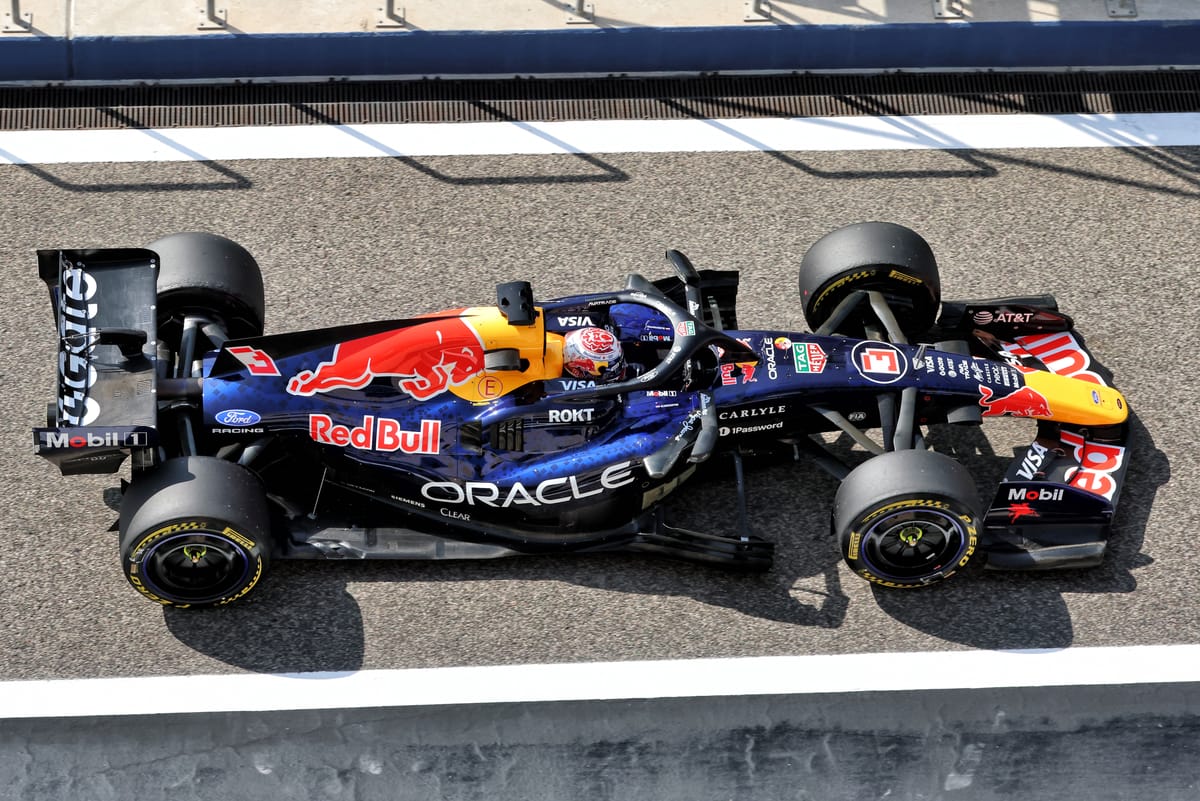
- Liam Lawson (Red Bull Racing) – 6 s rev, fluctuating RPM, slightly flat launch.
- Lando Norris (McLaren/Mercedes) – 8 s rev, clean sound, consistent bite‑point.
What's next:
- Teams will fine‑tune throttle‑hold timing and clutch maps as data piles up.
- The MGU‑K kick should smooth the power transition, shrinking the rev‑and‑wait window.
- Drivers will adapt, making starts tighter and less noticeable on broadcast.